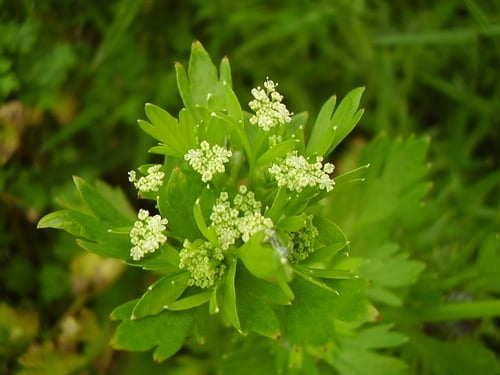
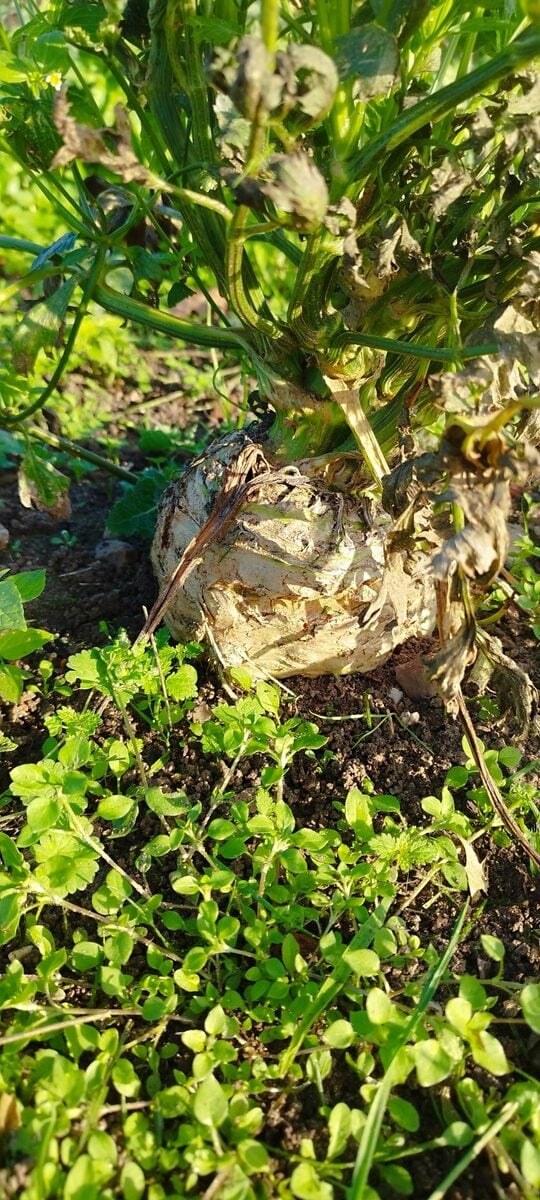
Oenanthe crocata
L.
iNaturalist· cc0
no rights reserved, uploaded by Stephen James McWilliam
iNaturalist· cc-by
(c) zebedeugalinha, some rights reserved (CC BY)
Summary
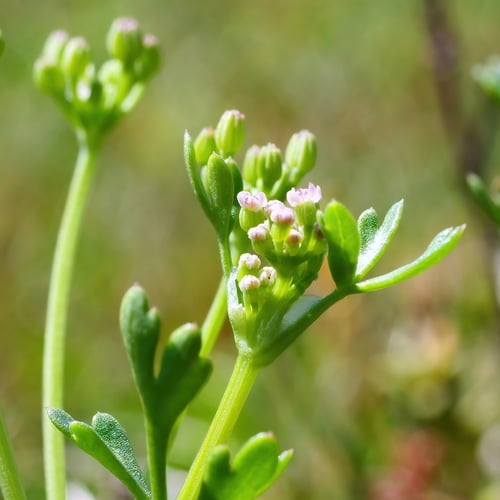
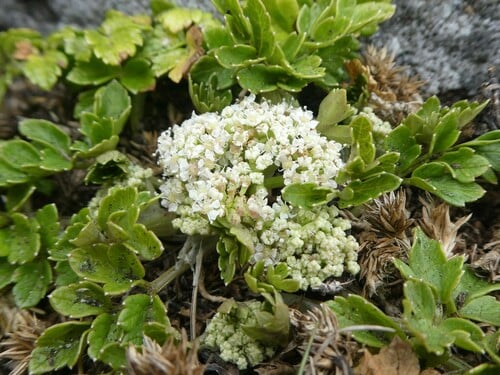
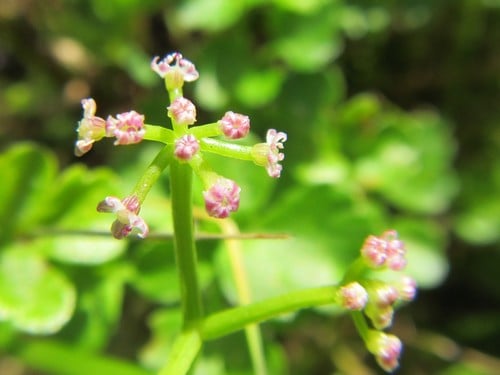
Source: WikipediaOenanthe crocata, hemlock water-dropwort (sometimes known as dead man's fingers) is a flowering plant in the carrot family, native to Europe, North Africa and western Asia. It grows in damp grassland and wet woodland, often along river and stream banks. All parts of the plant are extremely toxic and it has been known to cause human and livestock poisoning.
Description
A temperate herb in the Apiaceae family used as a famine food, found across various temperate regions.
This description is brief — help expand it
Edible Uses
The root is edible. After the toxic element is removed, it can be reduced to flour to extend bread.
Traditional Uses
The toxic element of the root needs to be removed and then it can be reduced to flour to extend bread.
This uses section is brief — help expand it
Known Hazards
The toxic principle in the plant is oenanthotoxin, a polyunsaturated fatty alcohol that works by blocking γ-aminobutyric acid (GABA) receptors. The plant is very poisonous to humans and livestock and can cause death if poisoning is left untreated after ingestion. Symptoms in livestock include increased salivation, dilated pupils, respiratory distress, and convulsions. Cattle poisoning from this plant occurs sporadically. For example, several cases were reported during the 1995 drought in the West Country, England. Due to the shortage of grass in the fields, the cattle were driven to graze by ditches where hemlock water-dropwort grew. Instances of poisoning in humans are rare, with only 13 cases reported in Britain between 1900 and 1978, mostly involving children. However, 9 of these 13 were fatal. Serious cases usually involved consumption of the roots, which were mistaken for parsnip. Symptoms include nausea, vomiting, seizures, hallucinations, ataxia, and haemorrhaging of the brain and lungs. Accidental splashing of some sap in the eye of a laboratory worker led to symptoms of poisoning that lasted 12 hours. The Scottish botanist John Lightfoot, in his 'Flora Scotica' (1777) related the experience of the illustrator Georg Ehret, who found that "the smell, or effluvia only, rendered him so giddy that he was several times obliged to quit the room" until he opened the door and windows so that he could finish his work. Being a polyyne, oenanthotoxin is quite unstable, and boiling the roots both lessens the severity of the symptoms and prolongs the delay before they appear.
Distribution
It is a temperate plant.
Where It Grows
Europe, France,
Other Information
It is a famine food.
Synonyms
References (1)
- Lim, T. K., 2015, Edible Medicinal and Non Medicinal Plants. Volume 9, Modified Stems, Roots, Bulbs. Springer p 59 (As Oenanthe apiifolia)