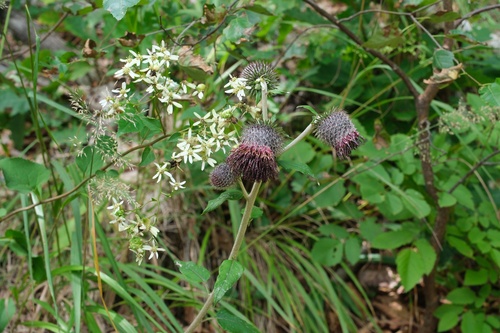
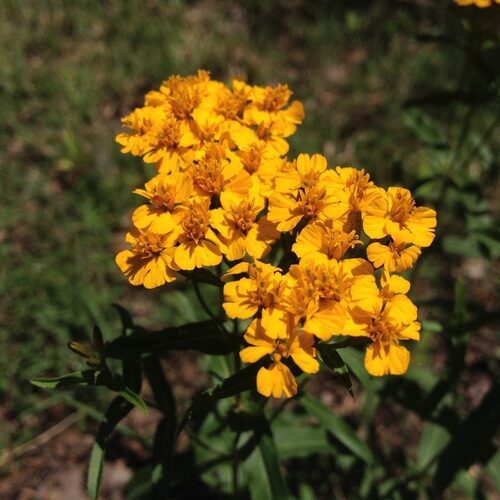
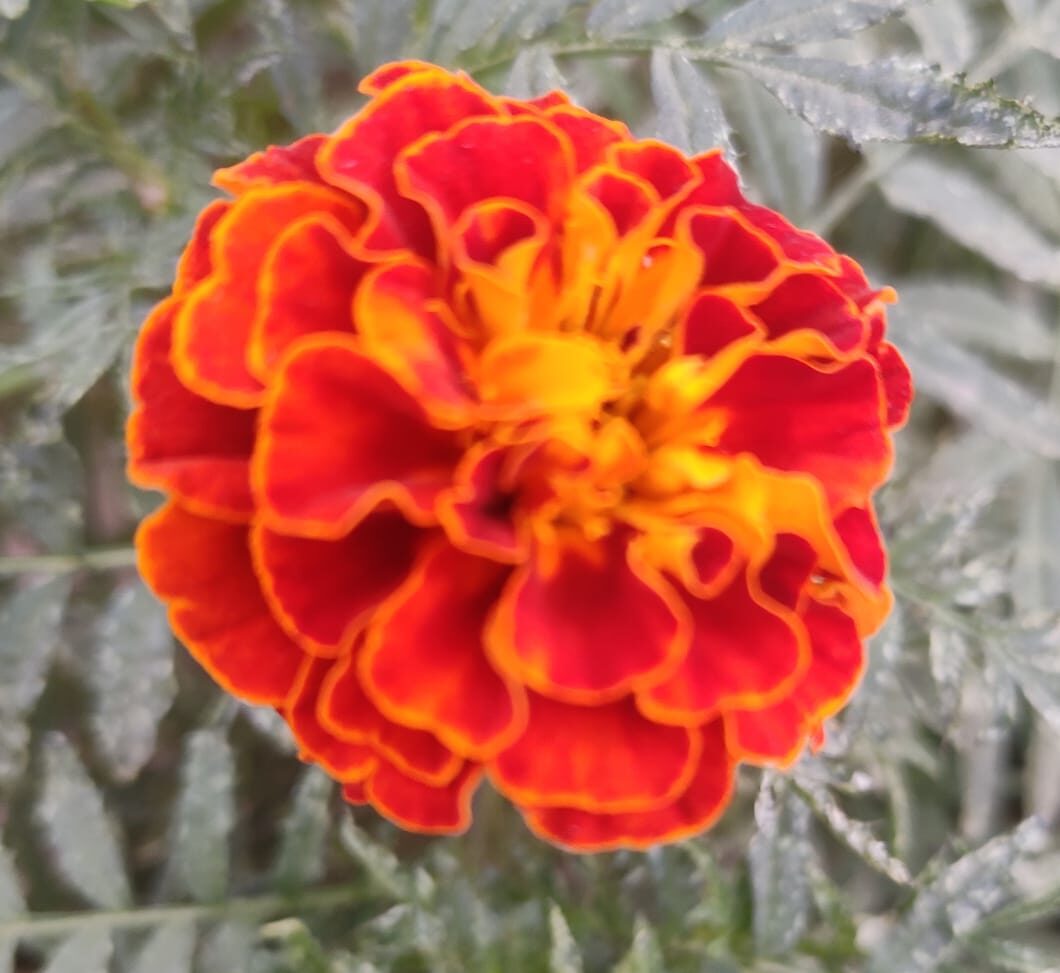
Saussurea affinis
gbif· cc-by
Royal Botanic Gardens, Kew
gbif· cc-by
Royal Botanic Gardens, Kew
gbif· cc-by
Royal Botanic Gardens, Kew
Summary
Biennial reaching 0.6 m tall with hermaphrodite flowers pollinated by insects. Tolerates light sandy, medium loamy, and heavy clay soils with preference for well-drained conditions across mildly acid to basic pH. Requires full sun and prefers moist soil.
Description
Biennial reaching 0.6 m tall with hermaphrodite flowers pollinated by insects. Tolerates light sandy, medium loamy, and heavy clay soils with preference for well-drained conditions across mildly acid to basic pH. Requires full sun and prefers moist soil.
Edible Uses
The leaves and young shoots are edible. No further details are recorded.
Medicinal Uses
The juice of the root is given together with other herbs in the treatment of diseases of women.
Where It Grows
Coming Soon
Cultivation
We have very little information on this species and do not know if it will be hardy in Britain, though judging by its native range it could succeed outdoors in many parts of this country. Some authorities now say that the correct name of this species is Hemistepta lyrata. The following notes are based on the general needs of the genus. Succeeds in most soils in a sunny well-drained position.
Propagation
No specific information is available for this species. Sowing seed in situ in May is suggested, or, if seed is scarce, sowing in a pot in a cold frame with planting out in summer.
Other Uses
None known.
Synonyms
References (1)
- Plants for a Future database