Tagetes filifolia
Lag.
Anise marigold, Irish lace marigold
iNaturalist· cc-by
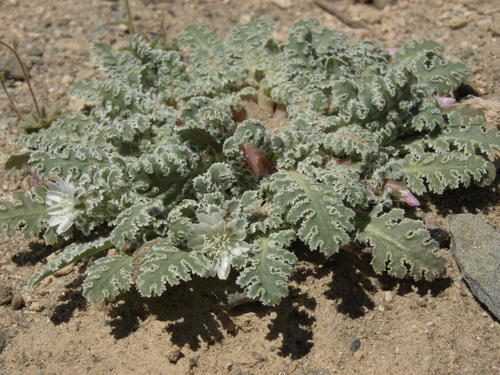
(c) Alan Rockefeller, some rights reserved (CC BY), uploaded by Alan Rockefeller
iNaturalist· cc-by-nc
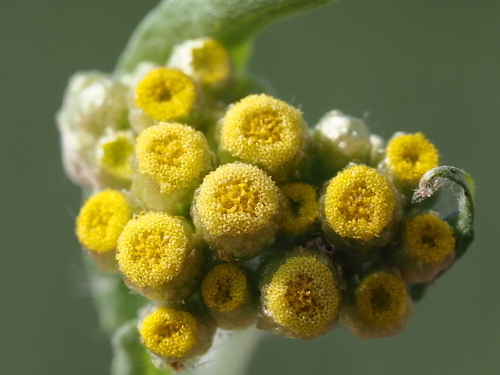
(c) Carlos, some rights reserved (CC BY-NC), uploaded by Carlos
iNaturalist· cc-by-nc
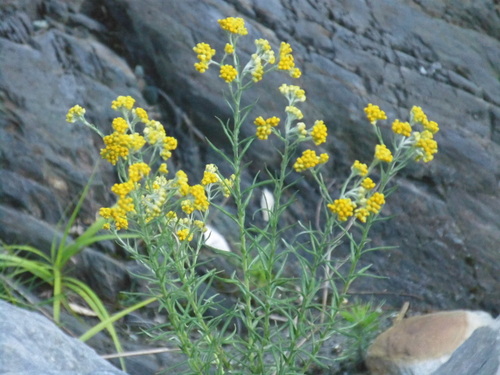
(c) geo-romo, some rights reserved (CC BY-NC)
Summary
Source: WikipediaTagetes filifolia is a New World species of marigolds in the family Asteraceae. It is widespread across much of Latin America from northern Mexico to Argentina. Common name is Irish lace despite the fact that the plant does not grow in Ireland. Tagetes filifolia is a branching annual herb up to 50 cm (20 inches) tall. It has a strong aroma similar to that of anise or liquorice. Leaves resemble small branching, feathery threads. People of the native range of the species use it as a food flavoring, a tea, and a diuretic.
Description
A herb. It grows each year from seed. It grows 5-40 cm tall. The leaves are opposite and divided. They are 1.5-3 cmlong by 1-2 cm wide with 4-7 pairs of segments.
Edible Uses
The plants are used as a food flavouring.
Traditional Uses
The leaves can be used as a tarragon like seasoning. The dried flowers are used for tea.
This uses section is brief — help expand it
Medicinal Uses
None known.
Distribution
It is a tropical plant. In Argentina it grows between 1,000-4,400 m above sea level.
Where It Grows
Argentina, Central America, Ecuador, Mexico, North America, Panama, South America*,
Cultivation
Requires a well-drained moderately fertile soil in a sunny position. Grows well in heavy clay soils and in sandy soils. Grows well with tomatoes. Removing dead flowers before the seed is formed will extend the flowering season. Plants are prone to slugs, snails and botrytis. There is limited specific information available on whether Tagetes filifolia (also known as Irish Lace or Fernleaf Marigold) is strictly self-fertile, but most Tagetes species are generally self-compatible and capable of producing seeds without cross-pollination. However, like many marigolds, cross-pollination by insects can improve seed production and genetic diversity. If you’re growing T. filifolia for seed, it’s likely to set seed on its own, but pollinators may enhance yield.
Propagation
Sow seed in March in a greenhouse, barely covering it. Germination typically occurs within 2 weeks. When seedlings are large enough to handle, prick them out into individual pots and plant outside after the last expected frosts.
Other Uses
Secretions from the roots of growing plants have an insecticidal effect on the soil, working against nematodes and to some extent against keeled slugs. These secretions develop around 3–4 months after sowing. The growing plant is also said to repel insects and can be planted among crops such as potatoes and tomatoes for this purpose.
Synonyms
Also Known As
Allpa anis, Anis comun, Anis de monte, Anisilloa, Hierba anis, Panpa anis
References (5)
- Casas, A., et al, 1996, Plant Management Among the Nahua and the Mixtec in the Balsas River Basin, Mexico: An Ethnobotanical Approach to the Study of Plant Domestication. Human Ecology, Vol. 24, No. 4 pp. 455-478
- Facciola, S., 1998, Cornucopia 2: a Source Book of Edible Plants. Kampong Publications, p 43 (Also as Tagetes anisatum)
- Gen. sp. pl. 28. 1816
- Kermath, B. M., et al, 2014, Food Plants in the Americas: A survey of the domesticated, cultivated and wild plants used for Human food in North, Central and South America and the Caribbean. On line draft. p 850
- Torre, de la L., et al, 2008, Enciclopedia de las Plantas Útiles del Ecuador. Herbario QCA. Pontificia Universidad Católica del Ecuador. p 235