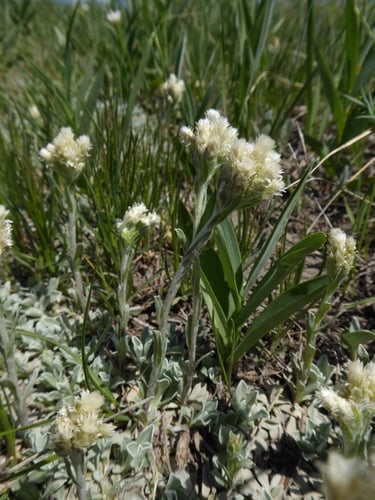
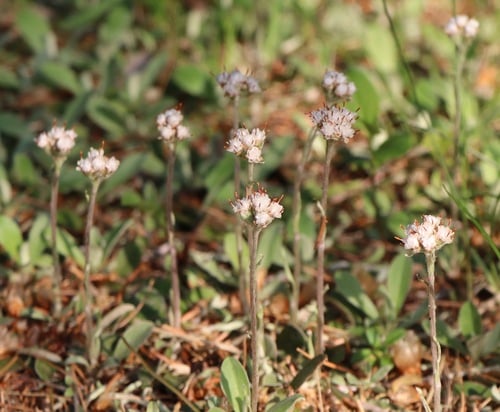
Tagetes erecta
L.
African Marigold, Aztec marigold, Big Marigold, American Marigold
iNaturalist· cc-by-nc
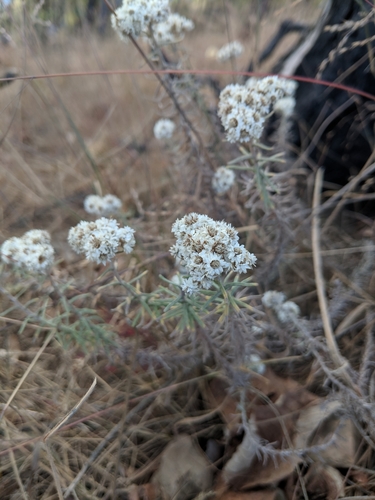
(c) akhilesh, some rights reserved (CC BY-NC), uploaded by akhilesh
iNaturalist· cc-by-nc
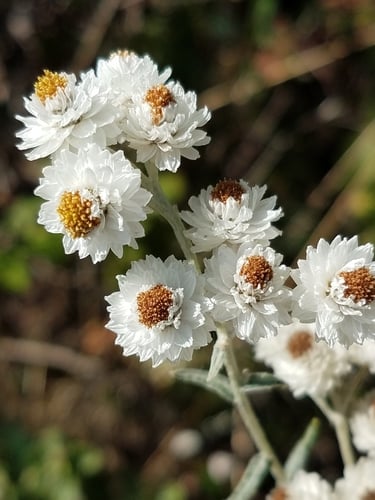
(c) José Humberto Castañón González, some rights reserved (CC BY-NC), uploaded by José Humberto Castañón González
iNaturalist· cc-by-nc
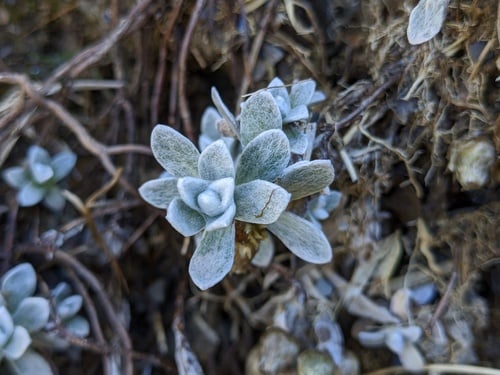
(c) ssifuentes, some rights reserved (CC BY-NC)
Description
Tagetes erecta is a ANNUAL growing to 1 m (3ft 3in) by 0.4 m (1ft 4in) at a fast rate. See above for USDA hardiness. It is hardy to UK zone 3 and is frost tender. It is in flower in July. The species is hermaphrodite (has both male and female organs) and is pollinated by Insects. The plant is self-fertile. It is noted for attracting wildlife. Suitable for: light (sandy), medium (loamy) and heavy (clay) soils, prefers well-drained soil and can grow in heavy clay soil. Suitable pH: mildly acid, neutral and basic (mildly alkaline) soils. It cannot grow in the shade. It prefers dry or moist soil.
Edible Uses
Condiment. The petals of the flowers of some varieties can be eaten. The fresh receptacle is eaten by children. A yellow dye obtained from the flowers can be used as a saffron substitute for colouring and flavouring foods. The plant is used as a condiment. (This probably refers to the use of the flowers as an edible dye)
Medicinal Uses
Anthelmintic Aromatic Carminative Digestive Diuretic Dysentery Eczema Emmenagogue Laxative Ophthalmic Sedative Skin Stomachic. The whole herb is anthelmintic, aromatic, digestive, diuretic, emmenagogue, sedative and stomachic. It is used internally in the treatment of indigestion, colic, severe constipation, coughs and dysentery. Externally, it is used to treat sores, ulcers, eczema. sore eyes and rheumatism. The leaves are harvested as required for immediate use during the growing season, whilst the flowering plant can be dried and stored for later use. A paste of the leavs is applied externally to treat boils, carbuncles and earaches. The flowers are carminitive, diuretic and vermifuge. A decoction is used to treat colds, and mumps. It is applied externally to trea skin diseases, conjunctivitis and sore eyes. The root is laxative.
Distribution
Southern N. America - Mexico.
Where It Grows
NORTHERN AMERICA: Mexico (Durango, San Luis Potosí, Sinaloa, Sonora, Tamaulipas, Chiapas, Guerrero, Hidalgo, Jalisco, México, Michoacán de Ocampo, Morelos, Nayarit, Oaxaca, Puebla, Querétaro, Veracruz de Ignacio de la Llave, Yucatán) SOUTHERN AMERICA: Guatemala, Peru (Ucayali)
Cultivation
Requires a well-drained moderately fertile soil in a sunny position. Grows well in heavy clay soils and in sandy soils. Although not very frost resistant, it can be grown as a tender annual in Britain, sowing the seed in a greenhouse in the spring and planting out after the last expected frosts. The flowers are often sold in local markets in Nepal and used as an offering to the Gods. A number of named forms have been developed for their ornamental value. The cultivar 'Yellow Climax' has mild flavoured edible flowers that can be used as colourful garnishes. All parts of the plant emit an unpleasant smell similar to that of stale urine when they are bruised. Removing dead flowers before the seed is formed will extend the flowering season. Plants are prone to attacks by slugs, snails and botrytis.
Propagation
Seed - sow March in a greenhouse. Only just cover the seed. Germination usually takes place within 2 weeks. When they are large enough to handle, prick the seedlings out into individual pots and plant them out after the last expected frosts.
Other Uses
Companion Dye Insecticide Repellent. Secretions from the roots of growing plants have an insecticidal effect on the soil, effective against nematodes and to some extent against keeled slugs. These secretions are produced about 3 - 4 months after sowing. The flower petals also have nematacidal properties. The growing plant is also said to repel insects and can be grown amongst crops such as potatoes and tomatoes. A yellow dye is obtained from the flowers. Dynamic accumulator.