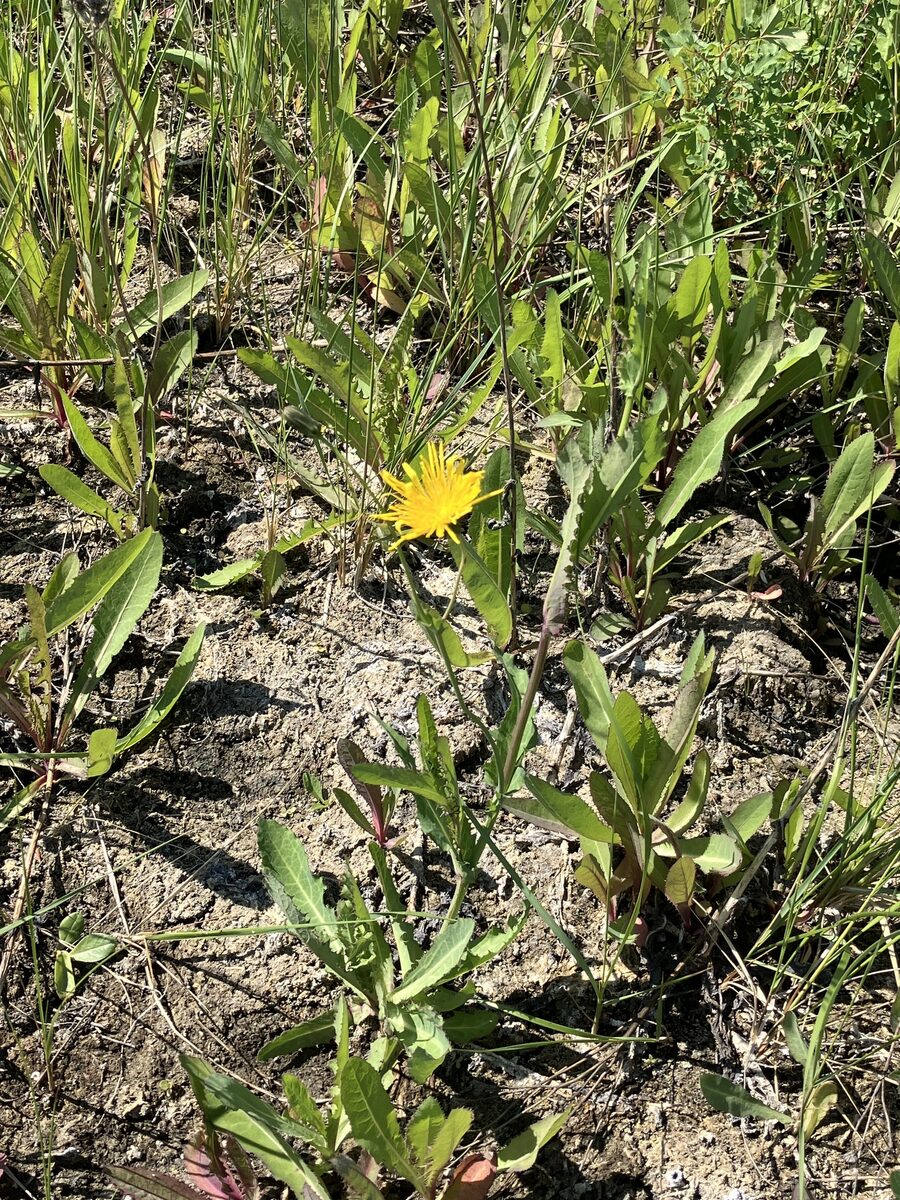
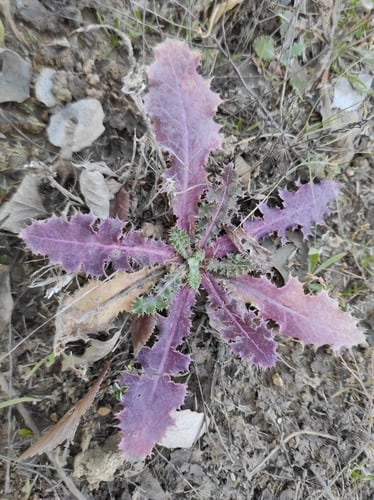
Tagetes lucida
Cav.
Mexican Tarragon, Sweetscented marigold
iNaturalist· cc-by-nc
(c) Bodo Nuñez Oberg, some rights reserved (CC BY-NC), uploaded by Bodo Nuñez Oberg
iNaturalist· cc-by-nc-sa
(c) Josh*m, some rights reserved (CC BY-NC-SA)
iNaturalist· cc-by
(c) Jose Antonio Aranda Pineda, some rights reserved (CC BY), uploaded by Jose Antonio Aranda Pineda
Description
Tagetes lucida is a PERENNIAL growing to 0.8 m (2ft 7in) by 0.4 m (1ft 4in) at a fast rate. See above for USDA hardiness. It is hardy to UK zone 9. It is in flower from August to September. The species is hermaphrodite (has both male and female organs) and is pollinated by Insects. The plant is self-fertile. It is noted for attracting wildlife. Suitable for: light (sandy), medium (loamy) and heavy (clay) soils, prefers well-drained soil and can grow in heavy clay soil. Suitable pH: mildly acid, neutral and basic (mildly alkaline) soils. It cannot grow in the shade. It prefers dry or moist soil.
Edible Uses
Tea. The leaves are dried and ground into a powder then used as a tarragon substitute for flavouring soups, sauces etc. They have an anise-like flavour. The leaves were an important flavouring of 'chocolatl', the foaming cocoa-based drink of the Aztecs. The dried leaves and flowering tops are brewed into a pleasant anise-flavoured tea. This is a very popular drink in Latin America. The petals are used as a condiment.
Medicinal Uses
Anaesthetic Digestive Diuretic Febrifuge Hallucinogenic Hypotensive Malaria Narcotic Sedative. The leaves and whole plant are digestive, diuretic, febrifuge, hypotensive, narcotic, sedative and stimulant. Use of the plant depresses the central nervous system, whilst it is also reputedly anaesthetic and hallucinogenic. It is used internally in the treatment of diarrhoea, nausea, indigestion, colic, hiccups, malaria and feverish illnesses. Externally, it is used to treat scorpion bites and to remove ticks. The leaves can be harvested and used as required, whilst the whole plant is harvested when in flower and dried for later use.
Distribution
C. and S. America - Mexico to Guatemala.
Where It Grows
NORTHERN AMERICA: Mexico (Chihuahua, Coahuila de Zaragoza, Durango, Nuevo León, San Luis Potosí, Sinaloa, Sonora, Tamaulipas, Zacatecas, Aguascalientes, Chiapas, Colima, Guanajuato, Guerrero, Hidalgo, Jalisco, México, Michoacán de Ocampo, Morelos, Nayarit, Oaxaca, Puebla, Querétaro, Tabasco, Tlaxcala, Veracruz de Ignacio de la Llave) SOUTHERN AMERICA: Guatemala, Honduras, El Salvador
Cultivation
Requires a well-drained, moderately fertile soil in a sunny position. Grows well in heavy clay soils and in sandy soils. Plants in general are not very cold-hardy when grown outdoors in Britain, though some forms will survive outdoors at least in the milder areas of the country. We have plants grown from seeds collected in Oregon that have proved hardy to at least -5°c. A very ornamental plant, there are some named varieties. 'Huichol' is a traditional clone used by the Huichol Indians that grows at an elevation of 1500 - 1800m in Mexico. The blooms are amongst the most sweetly scented of all flowers. Removing dead flowers before the seed is formed will extend the flowering season. Plants are prone to slugs, snails and botrytis. Grows well with tomatoes. Leaves can be harvested throughout the growing season, typically in spring and summer, just before flowering for the best flavor. Mexican Tarragon flowers in late summer to early autumn. It is a fast-growing perennial herb that reaches full size within one growing season. Tagetes lucida, also known as Mexican tarragon, is self-pollinating. It's a hermaphrodite plant with both male and female reproductive organs.
Propagation
Seed - sow March in a greenhouse. Only just cover the seed. Germination usually takes place within 2 weeks. When they are large enough to handle, prick the seedlings out into individual pots and plant them out after the last expected frosts. Basal cuttings in spring. Remove young shoots when about 5 - 10 cm tall, making sure to get as much of the underground stem as possible. Pot up into a sandy soil and keep in light shade until roots are formed, which usually takes 2- 3 weeks.
Other Uses
Companion Dye Herbicide Incense Insecticide Repellent Agroforestry uses: It can be used as a companion plant to attract pollinators and beneficial insects, as well as to deter pests. Secretions from the roots of growing plants have an insecticidal effect on the soil, effective against nematodes and to some extent against keeled slugs, they also have an effect against some persistent weeds such as couch grass. These secretions are produced about 3 - 4 months after sowing. The growing plant also has a repellent effect on various insect pests such as the asparagus beetle and bean weevils. A yellow dye is obtained from the flowers. The dried plant is burnt as an incense and to repel insects. Dynamic accumulator.