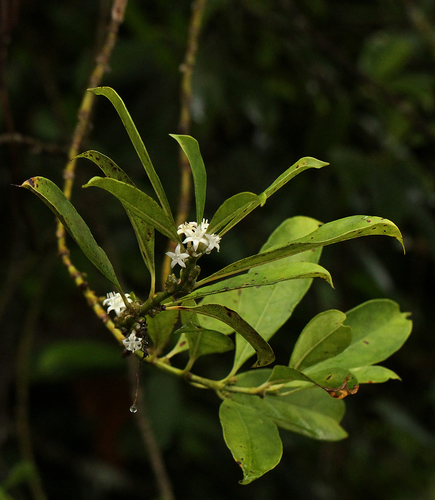
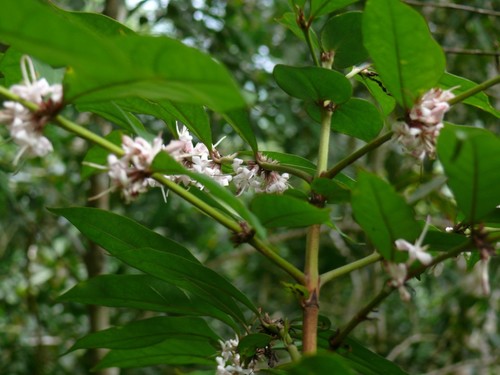
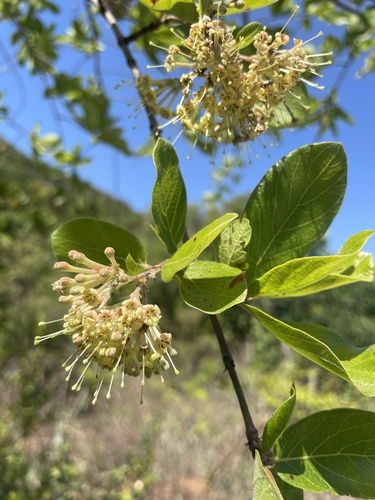
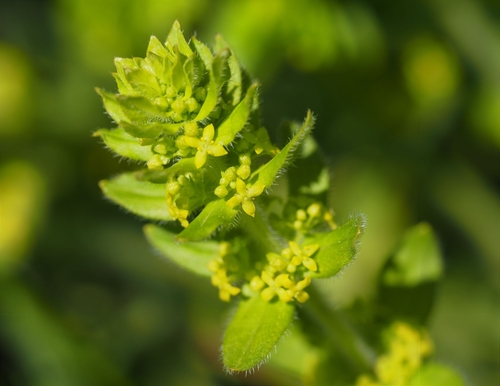
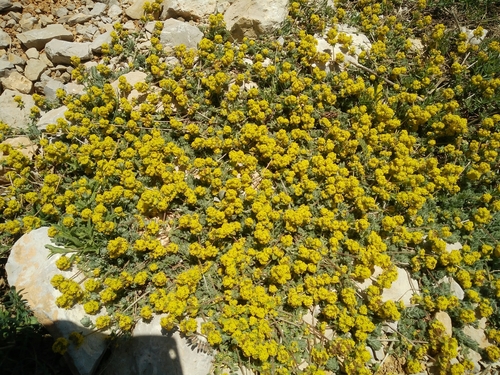
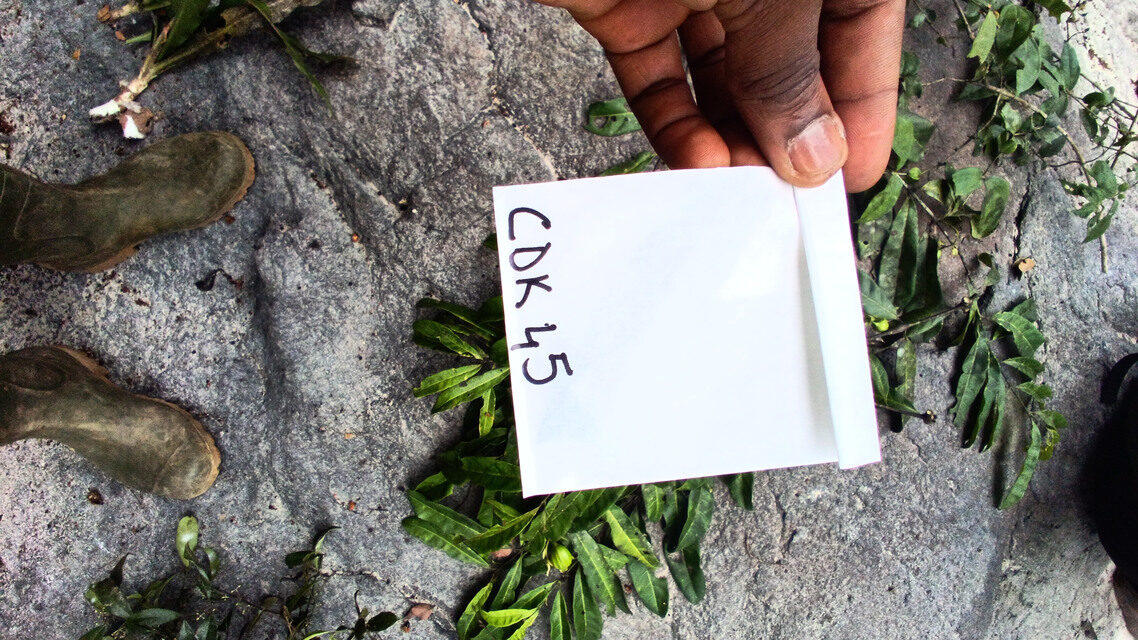
Richardia scabra
L.
iNaturalist· cc-by-sa
(c) Douglas Goldman, some rights reserved (CC BY-SA), uploaded by Douglas Goldman
iNaturalist· cc-by-sa
(c) Douglas Goldman, some rights reserved (CC BY-SA)
Summary
Source: WikipediaRichardia scabra, commonly called rough Mexican clover or Florida pusley, is a species of flowering plant in the family Rubiaceae. It is widespread, native to warm areas of both North America, South America and East African countries like in Central Kenya .
Description
A plant in the Rubiaceae family from which leaves are traditionally used to make tea.
This description is brief — help expand it
Traditional Uses
Leaves, Leaves - tea,
This uses section is brief — help expand it
Medicinal Uses
The root has been used as a substitute for Ipecac. Known as 'undulated', 'amylaceous', or 'white' Ipecac, it does not contain more than 6 per cent, of the active ingredient. The roots of ipecac contain a number of medically active constituents including isoquinoline alkaloids, tannins and glycosides. They have a violently irritant action, stimulating the gastric and bronchial systems, lowering fevers and preventing cyst formation in amoebic dysentery.
Distribution
S. America - Paraguay, Brazil, Bolivia and Peru, north through the Caribbean and through Central America to southern N. America.
Where It Grows
Sandy soils, especially in cultivated fields. Sandy savannahs and grasslands, on roadsides, turf and in cultivated fields and waste areas.
Cultivation
Rubiaceae
Other Uses
The plant is grown as a green manure and to provide soil cover.
Production
A herb. It grows each year from seed. The leaves are 2-4 cm long by 1-1.5 cm wide.
Synonyms
Also Known As
Anandraopilanina
References (2)
- Li, D. et al, 2017, Ethnobotanical survey of herbal tea plants from the traditional markets in Chaoshan, China. Journal of Ethnopharmacology. 205 (2017) 195-206
- Razanameharizaka, J., et al, 2022, Catalogue Legumes Traditionnels de Madagascar. Université d’Antananarivo, Antananarivo (101), Madagascar. Vol. 1. p 53 (As Richardsonia scabra)