Breonia chinensis
(Lam.) Capuron
Kadam
iNaturalist· cc-by-nc
(c) krasik, some rights reserved (CC BY-NC)
iNaturalist· cc0
no rights reserved, uploaded by 葉子
iNaturalist· cc-by-nc
(c) serenecology, some rights reserved (CC BY-NC)
Description
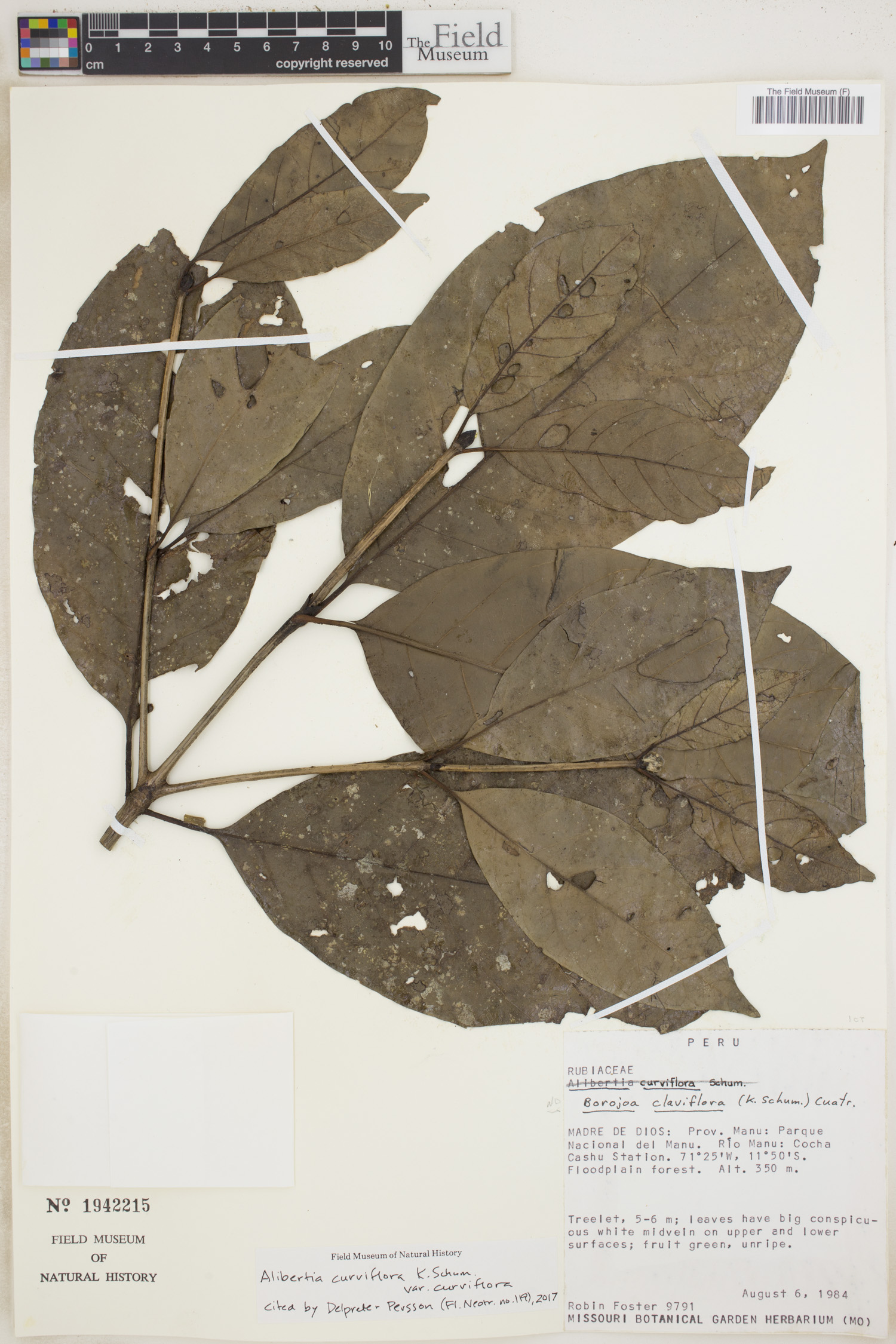
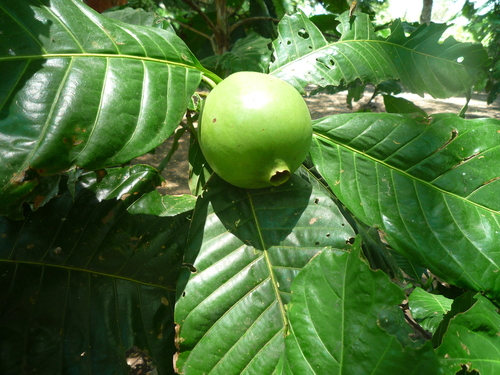
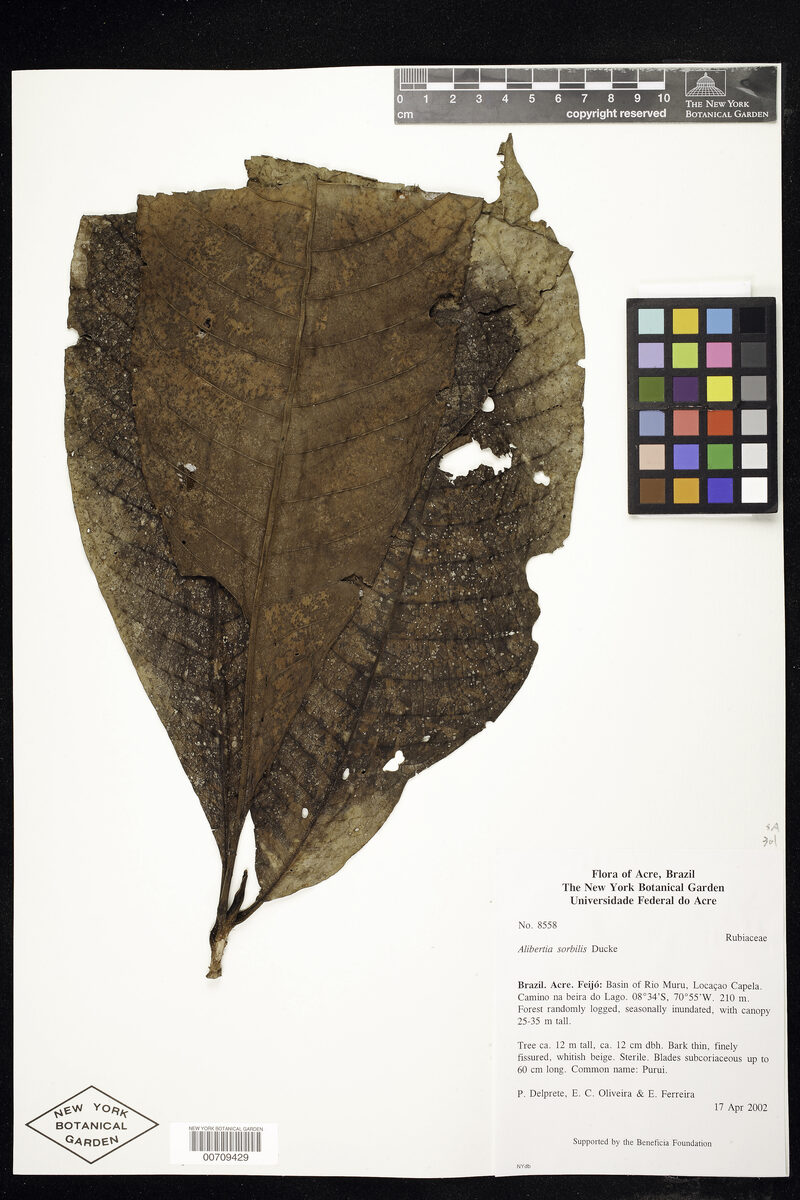
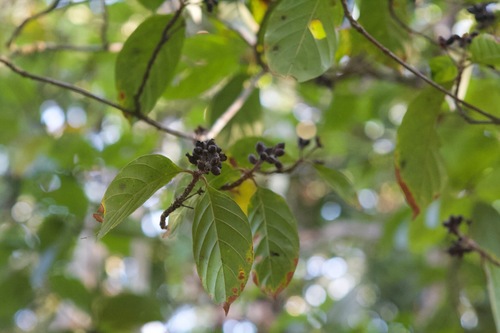
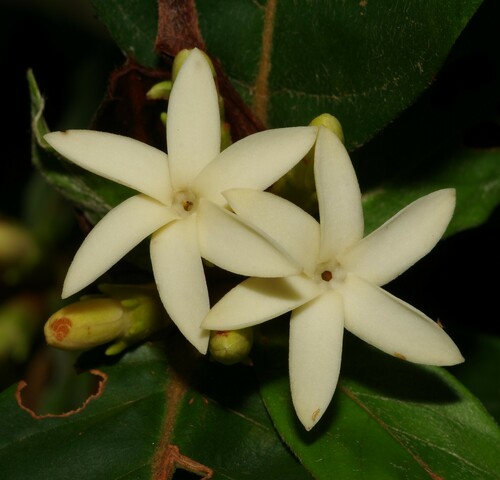
A shrub or small tree. It grows 5-47 m tall. The trunk can be 80 cm across. The leaves are dark green and shiny. They are simple and opposite. The flowers are 3 mm across and yellow to orange. Young fruit are green. They are made up of many long berries.
Edible Uses
The fruit and seeds are eaten; the seeds are processed for oil, and the flowers are consumed.
Medicinal Uses
The plant is used medicinally.
Distribution
It is a tropical plant. In Madagascar it grows up to 1,330 m above sea level.
Where It Grows
Africa, Asia, Bangladesh, China, Himalayas, India, Indochina, Indonesia, Madagascar, Malaysia, Myanmar, Nepal, Northeastern India, SE Asia, Sikkim, Sri Lanka,
Production
It is fast growing.
Notes
It is used as medicine.
Synonyms
Also Known As
Kadamba, Kapluck, Wild cinchona
References (7)
- Ekka, N. S. & Ekka, A., 2016, Wild Edible plants Used by Tribals of North-east Chhattisgarh (Part-I), India. Research Journal of Recent Sciences. Vol. 5(ISC-2015), 127-131 (2016) (As Anthocephalus indicus)
- Rahman, S. A., et al, 2013, Cultivated Plants in the Diversified Homegardens of Local Communities in Ganges Valley, Bangladesh. Science Journal of Agricultural Research and Management. Vol. 2013 (As Anthocephalus chinensis)
- Savita, et al, 2006, Studies on wild edible plants of ethnic people in east Sikkim. Asian J. of Bio Sci. (2006) Vol. 1 No. 2 : 117-125 (As Anthocephalus indicus)
- Soerianegara, I. & Lemmens, R. H. M. L., (Eds.) 1993, Timber trees: Major commercial timbers. Plant Resources of South-East Asia. Wageningen. No. 5(1). p 103 (As Anthocephalus chinensis)
- Upreti, K., et al, 2010, Diversity and Distribution of Wild Edible Fruit Plants of Uttarakhand. in Biodiversity Potentials of the Himalaya. p 160 (As Anthocephalus chinensis)
Show all 7 references Hide references
- Wild edible plants of Himachal Pradesh (As Anthocephalus indicus)
- World Checklist of Useful Plant Species 2020. Royal Botanic Gardens, Kew