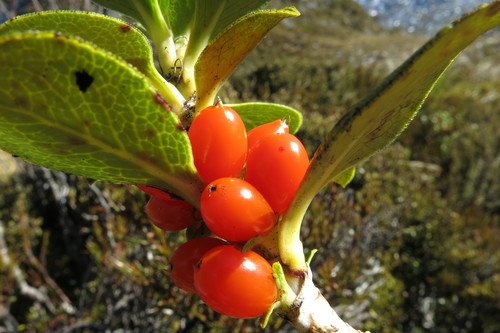
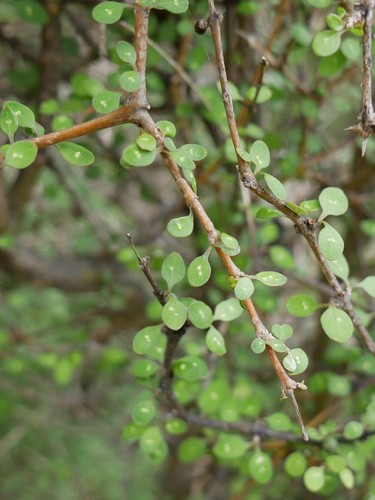
Breonadia salicina
(Vahl) Hepper & J. R. I. Wood
Water shea nut, African teak
iNaturalist· cc-by-nc-sa
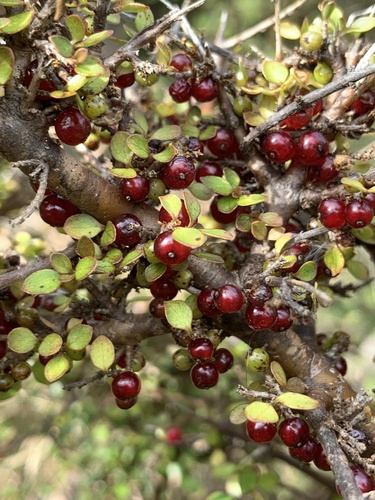
(c) Bernard DUPONT, some rights reserved (CC BY-NC-SA)
iNaturalist· cc-by-nc
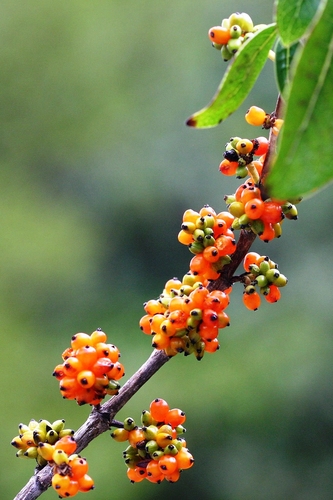
(c) Rahaingoson Fabien, some rights reserved (CC BY-NC), uploaded by Rahaingoson Fabien
iNaturalist· cc-by-nc-sa
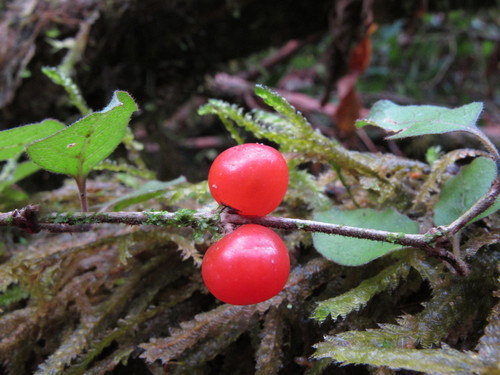
(c) Bernard DUPONT, some rights reserved (CC BY-NC-SA)
Description
A tree. It can grow 40 m tall. The trunk can be 150 cm across. The leaves are in rings of 3-5 near the ends of twigs. The leaves are 7-33 cm long by 2-9 cm wide.
Edible Uses
The bark is used for fermenting drinks.
Medicinal Uses
Breonadia salicina is used in traditional African medicine. Mainly people use the bark to fight diarrhoea and other stomach/digestive tract problems but also use other parts of the plant for different uses. The bark of B. salicina has been found to be rich in tannins. Tannins are polyphenols that have been found to help with reducing growth of E. coli in digestive tracts. Leaf extracts of B. salicina have also been found to reduce activity of both gram-negative and gram-positive bacteria. It is believed that these same anti-bacterial properties of B. salicina can be used for the preservation of foods. Possible antifungal compounds have also been isolated in B. salicina. The same antifungal compounds in B. salicina have been found to show activity in protecting oranges from infections.
Distribution
It is a temperate plant.
Where It Grows
Africa, Angola, Côte d'Ivoire, Ethiopia, Ivory Coast, Madagascar, Malawi, Mali, Mozambique, South Africa, Swaziland, Tanzania, West Africa, Zimbabwe,
Cultivation
It can be grown from seed.
Other Uses
The twigs are used as chewsticks. The reddish wood is heavy and strong. Said to be untouched by borers and termites, it is used for house building and joinery.
Synonyms
Also Known As
Mgwina
References (1)
- World Checklist of Useful Plant Species 2020. Royal Botanic Gardens, Kew