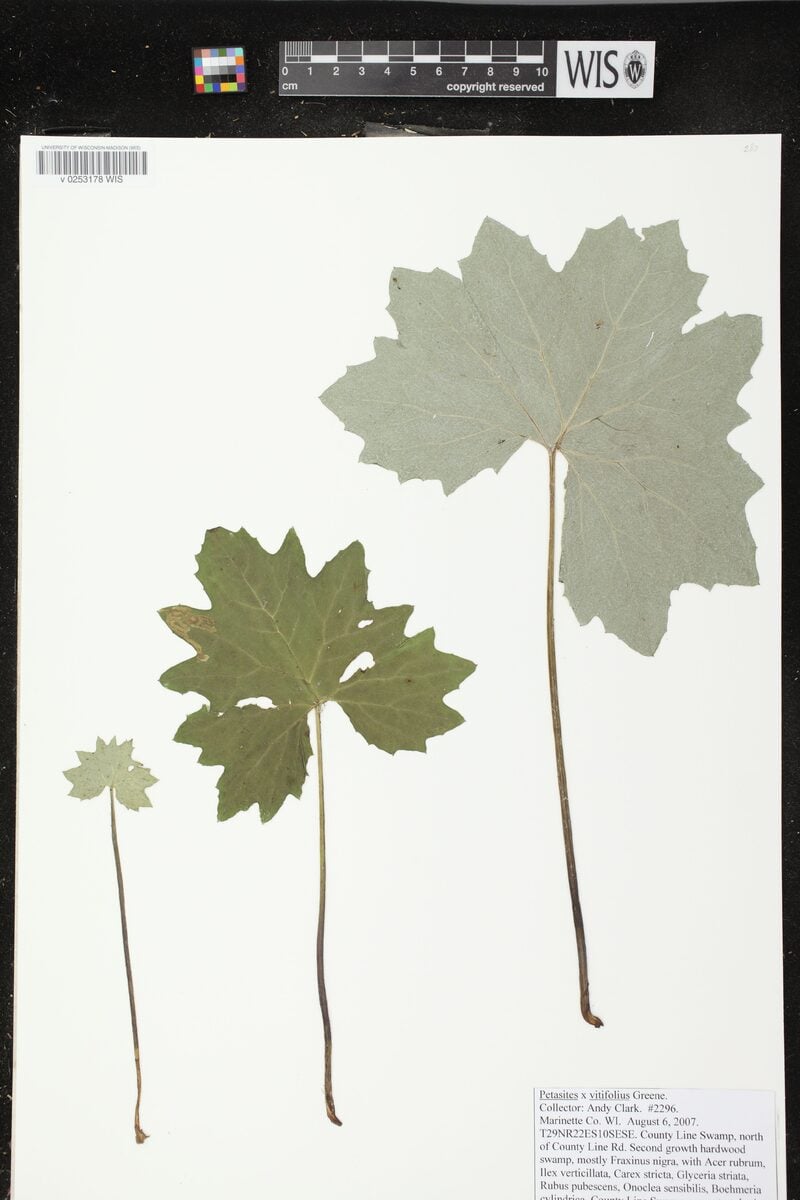
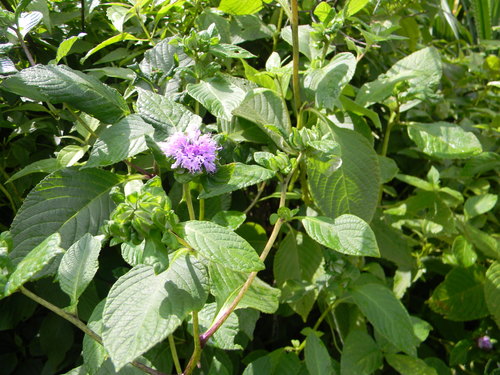
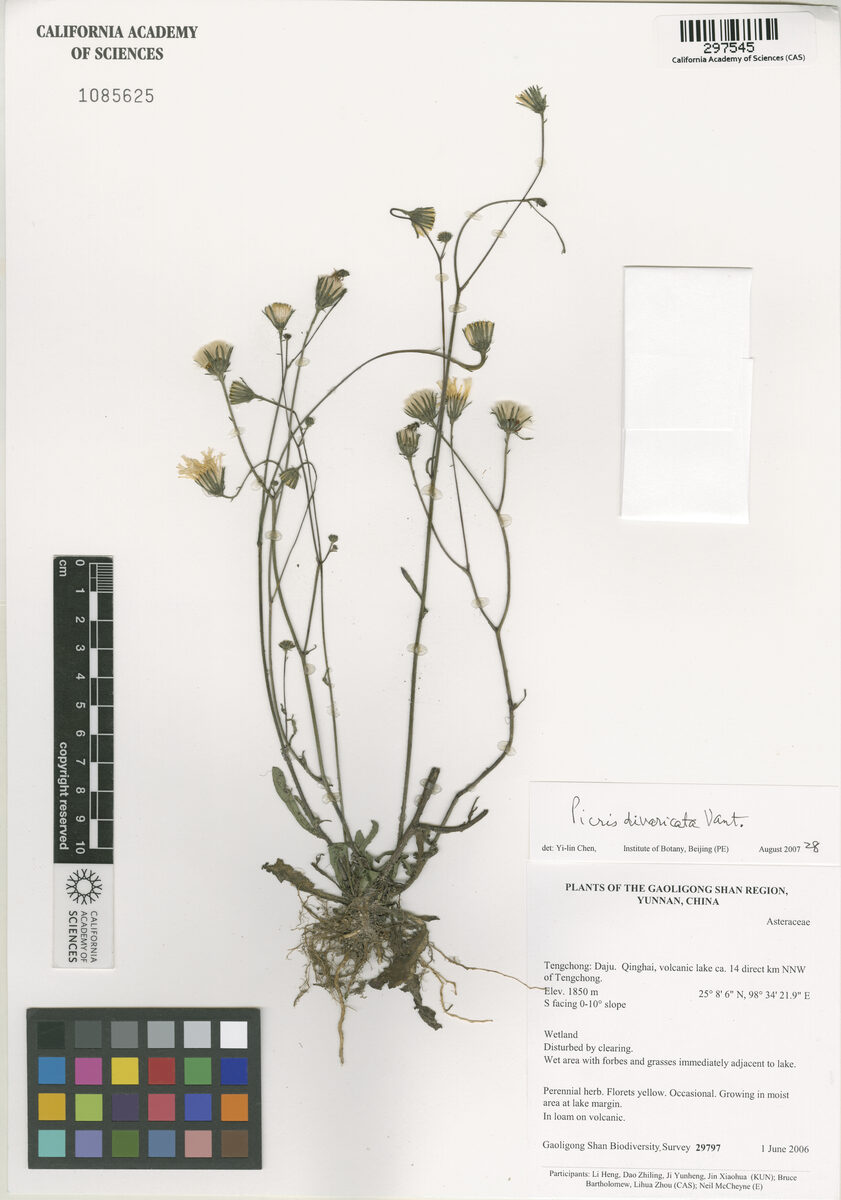
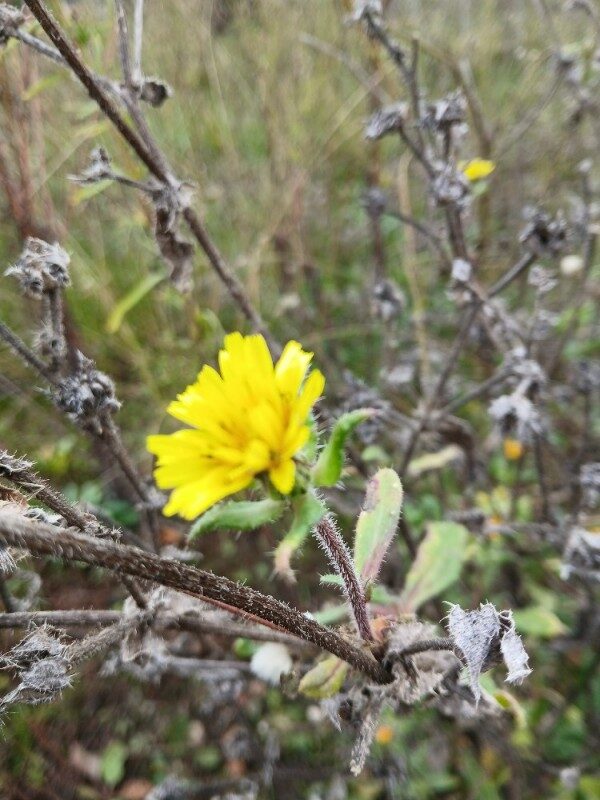
Petasites albus
(L.) Gaertn.
iNaturalist· cc-by-nc
(c) AnneTanne, some rights reserved (CC BY-NC)
iNaturalist· cc-by-nc
(c) esgud, some rights reserved (CC BY-NC)
Summary
Source: WikipediaPetasites albus, the white butterbur, is a flowering plant species in the family Asteraceae. It is native to central Europe and the Caucasus.
Description
Herbaceous perennial growing to 0.6 m tall and spreading to 1 m, reaching mature size quickly. Flowers April to May with seed ripening by May. Dioecious species requiring both male and female plants for seed production. Hardy to UK zone 5. Tolerates sandy, loamy, and heavy clay soils across mildly acid to mildly alkaline pH ranges. Grows in full shade to full sun and prefers consistently moist soil.
Edible Uses
The small, fleshy leaf stems (petioles) are very palatable when cooked and can be prepared and eaten like asparagus.
Medicinal Uses
The root is emmenagogue, hypnotic, sedative, and vulnerary. The ground or finely chopped rhizome has a healing effect when applied to slow-healing or weak ulcers or to suppurating wounds. An infusion of the leaves serves as a specific remedy for coughs. A homeopathic remedy made from the roots is used in the treatment of wounds, ulcers, and similar conditions.
Distribution
It is a temperate plant.
Where It Grows
Europe, Georgia, Slovenia,
Propagation
Sow seed in a cold frame as soon as it is ripe or in early spring, covering only lightly and keeping the compost moist. Prick seedlings into individual pots when large enough to handle and plant out in summer. Division succeeds at almost any time of year. Larger divisions can go directly into permanent positions; smaller ones are better potted up and grown on in light shade in a cold frame until well established, then planted out in late spring or early summer.
Other Uses
Makes a good ground cover for wilder areas of the garden, though it is too invasive for small spaces and is only suitable for covering large areas. The leaves were once used by peasants as a head covering.
Synonyms
Also Known As
Buera, Buurg'u, Dilma
References (3)
- Bussman, R. W., et al, 2021, Unity in diversity—food plants and fungi of Sakartvelo (Republic of Georgia), Caucasus. Journal of Ethnobiology and Ethnomedicine (2021) 17:72 p 6
- Cerne, M., 1992, Wild Plants from Slovenia used as Vegetables. Acta Horticulturae 318
- http://www.botanic-gardens-ljubljana.com/en/plants