Bidens aurea
(Aiton) Sherff
Arizona beggarticks
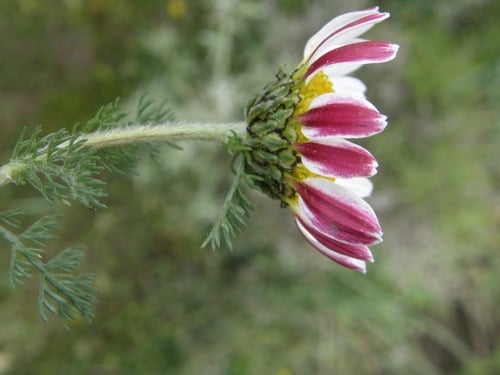
iNaturalist· cc-by-nc
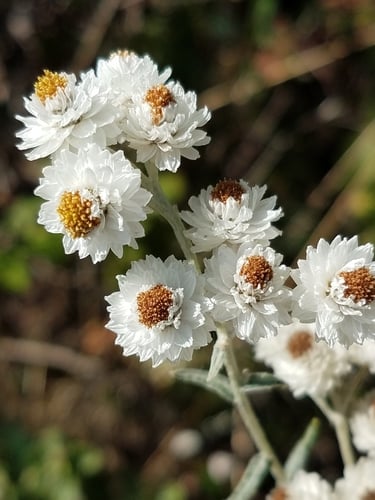
(c) Julián OLVERA, some rights reserved (CC BY-NC), uploaded by Julián OLVERA
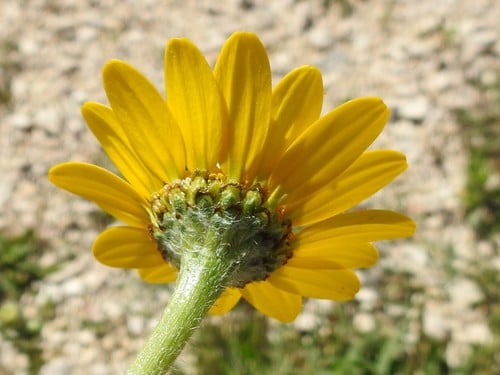
iNaturalist· cc-by
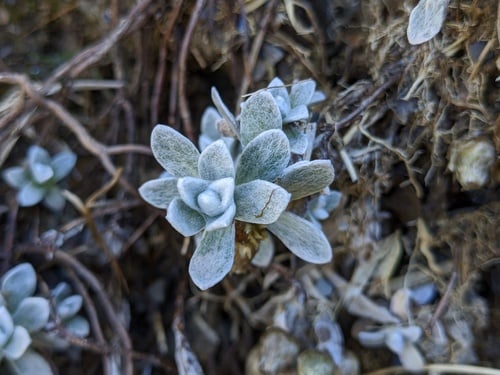
(c) Ivo Rosa, some rights reserved (CC BY), uploaded by Ivo Rosa
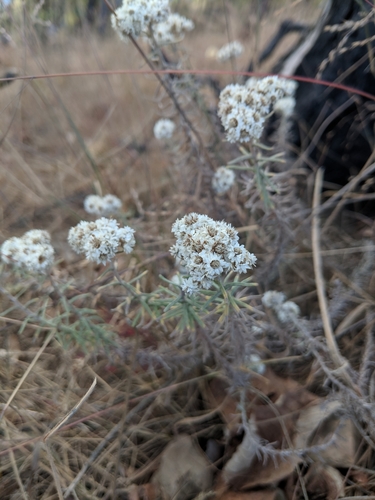
iNaturalist· cc-by-nc
(c) Bodo Nuñez Oberg, some rights reserved (CC BY-NC), uploaded by Bodo Nuñez Oberg
Summary
Source: WikipediaBidens aurea , the Arizona beggarticks, is a North American species of flowering plant in the family Asteraceae. It is widespread across much of Mexico and found also in Arizona and Guatemala. The species is also naturalized in parts of Europe and South America.
Description
A herb. It grows each year from seeds. It can grow 250 cm tall. The flowers are in white to yellow heads.
This description is brief — help expand it
Edible Uses
Edible Parts: Edible Uses: Tea The leaves are possibly used as a tea substitute.
Medicinal Uses
None known
Distribution
It can grow in temperate and subtropical places. It grows in wet areas and near streams. It suits hardiness zones 7-10.
Where It Grows
Argentina, Canada, Central America, Chile, Easter Island, Europe, Guatemala, Mexico, North America, South America, Spain,
Propagation
Seed - we have no information for this species but suggest sowing the seed in a greenhouse in the spring. Surface-sow or only just cover the seed and do not allow the compost to dry out. When they are large enough to handle, prick the seedlings out into individual pots and grow them on in the greenhouse for at least their first winter. Plant them out into their permanent positions in late spring or early summer, after the last expected frosts. Division in spring.
Other Uses
None known Special Uses
Synonyms
Also Known As
Te moruno
References (2)
- Tardio, J., et al, Ethnobotanical review of wild edible plants in Spain. Botanical J. Linnean Soc. 152 (2006), 27-71
- Zizka, G., 1991, Flowering Plants of Easter Island. Palmarum Hortus Francofurtensis