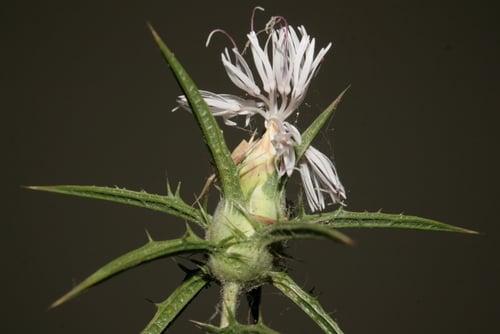
Bidens bipinnata
L.
Spanish Needles
iNaturalist· cc-by-nc
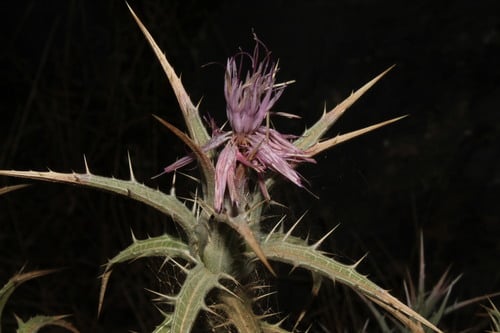
(c) aljnrn, some rights reserved (CC BY-NC)
iNaturalist· cc-by-nc
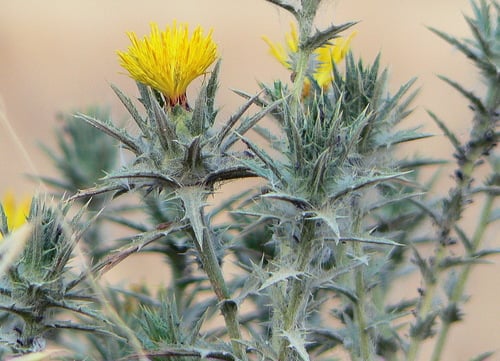
(c) lecanorchis, some rights reserved (CC BY-NC)
iNaturalist· cc-by-sa
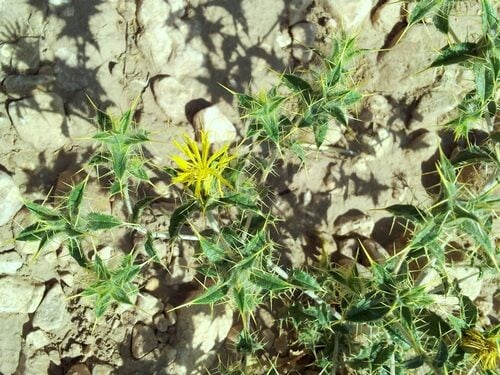
(c) Douglas Goldman, some rights reserved (CC BY-SA), uploaded by Douglas Goldman
Description
Bidens bipinnata is a ANNUAL growing to 1 m (3ft 3in). See above for USDA hardiness. It is hardy to UK zone 5. It is in flower from September to October, and the seeds ripen in October. The species is hermaphrodite (has both male and female organs) and is pollinated by Insects. It is noted for attracting wildlife. Suitable for: light (sandy), medium (loamy) and heavy (clay) soils. Suitable pH: mildly acid, neutral and basic (mildly alkaline) soils. It cannot grow in the shade. It prefers moist soil.
Edible Uses
Tea. Leaves and young shoots - cooked or used as a flavouring. Used as a vegetable. A tea is made from the flowering tops. Edible Uses & Rating: Leaves and shoots are edible, cooked or fresh, and flowers are usable for tea. Seeds not recommended for eating due to dangerous barbs. Edibility rating: (3/5). Taste, Processing & Kitchen Notes: Fresh leaves taste lettuce-like with a salty, fishy accent; boiling removes this, yielding a mild green comparable to spinach. The tea is reddish-brown, aromatic, and pleasant. Excellent paired with rice or fish dishes. Seeds may be used as a beverage (after toasting, pounding, boiling, and filtering), producing a sweet, mild drink, though collection is hazardous. Seasonality (Phenology): Flowers July–October; seeds adhere in autumn. Leaves best mid-summer to pre-flowering. Harvest & Processing Workflow: Gather leaves before flowering; brief boiling removes resinous flavor. Dry for tea or powder. Look-Alikes & Confusion Risks: Resembles Coreopsis tinctoria before fruiting; Bidens distinguished by barbed fruits. Traditional / Indigenous Use Summary: Used in folk medicine for fever and inflammation; eaten widely as boiled green in Asia, Africa, Mexico.
Medicinal Uses
Antibacterial Emmenagogue Styptic Vermifuge. The root and seeds are popularly used as an emmenagogue and in the treatment of laryngeal and bronchial diseases. A tea made from the leaves is vermifuge. The leaves have been chewed as a treatment for sore throat. The plant juice is styptic and has been used as ear drops. An extract of the plant has bactericidal properties.
Known Hazards
Seeds hazardous to ingest; handle mature plants cautiously. Leaves safe cooked. Avoid roadside plants.
Distribution
E. Asia. Eastern N. America.
Where It Grows
NORTHERN AMERICA: Canada (Ontario, New Brunswick), United States (Connecticut, Indiana, New Jersey, New York, Ohio, Pennsylvania, Rhode Island, West Virginia, Illinois, Iowa, Kansas, Missouri, Nebraska, Oklahoma, Alabama, Arkansas, Florida, Georgia, Kentucky, Louisiana, Maryland, Mississippi, North Carolina, South Carolina, Tennessee, Virginia, District of Columbia, New Mexico, Texas, Arizona)
Cultivation
Succeeds in any moderately fertile moisture-retentive soil in full sun. A good bee plant. Identification & Habit: Annual 30–120 cm tall, with angular, ridged stems and finely bipinnate opposite leaves of 3–7 deep lobes. Flower heads 1–2 cm across, yellow disk florets, few or no rays. Fruits black, linear-fusiform, 4-angled, 7–18 mm long, with 2–4 barbed awns. Moist disturbed soils, full sun, tolerates drought once mature. USDA Zones 4–11. Habitat & Range: Native to eastern North America, now cosmopolitan, especially southeastern U.S., Mexico, Asia, and tropics. Size & Landscape Performance: 0.3–1.2 m tall; fast-growing, fine-textured; short life cycle; beneficial for pollinator corridors. Pests & Problems: Minimal; occasional mildew or leaf spot.
Propagation
Seed - sow mid to late spring in situ and only just cover the seed.
Other Uses
Ecology & Wildlife: Excellent bee and butterfly nectar source; seed food for small birds. Contributes organic matter in fall dieback. A cosmopolitan “weed” that doubles as an edible and medicinal herb, easy to grow and supportive of pollinators.
Also Known As
Spanish needles.