Bidens frondosa
L.
Beggar ticks
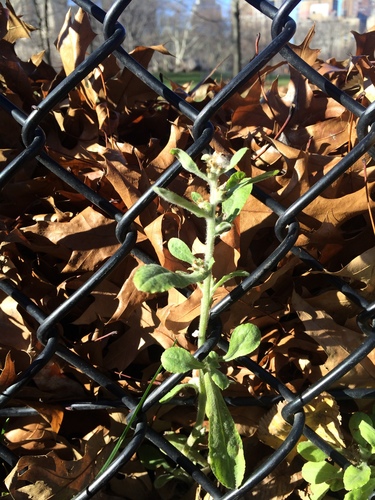
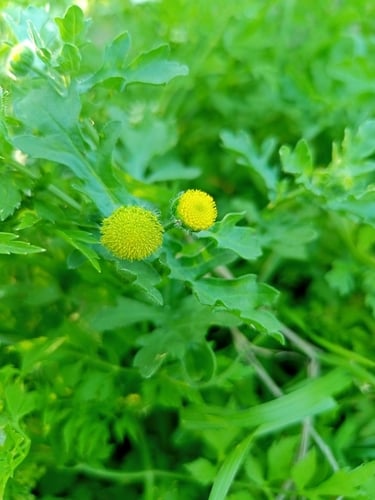
iNaturalist· cc-by-nc
(c) matteo_76, some rights reserved (CC BY-NC)
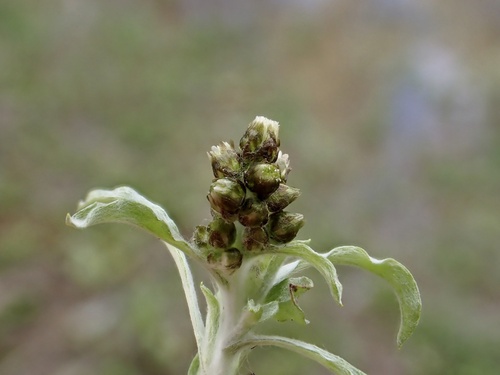
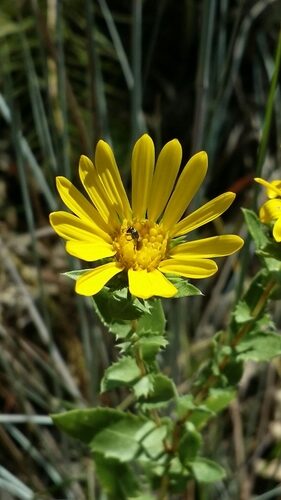
iNaturalist· cc-by-nc
(c) Bodo Nuñez Oberg, some rights reserved (CC BY-NC), uploaded by Bodo Nuñez Oberg
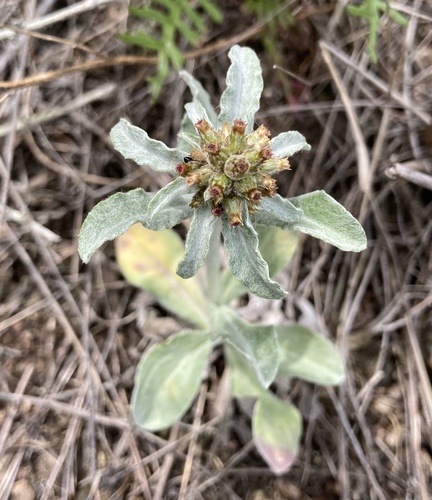
iNaturalist· cc-by-nc
(c) Stefan Seemann, some rights reserved (CC BY-NC), uploaded by Stefan Seemann
Summary
Source: WikipediaBidens frondosa is a species of flowering plant in the family Asteraceae. It is an annual herb widespread across much of Canada and the United States. It is known in many other parts of the world as an introduced species, including Europe, Asia, Morocco, and New Zealand. Its many common names include devil's beggarticks, devil's-pitchfork, devil's bootjack, sticktights, bur marigold, pitchfork weed, tickseed sunflower, leafy beggarticks, and common beggar-ticks.
Description
A herb. It grows each year from seed. It grows 20-120 cm tall. The leaves are oval to sword shaped and 3-8 cm long by 2-6 cm wide. There are 3 (or 5) leaflets. These are 4-6 cm long by 1-2 cm wide. There are teeth along the edge.
Edible Uses
Edible Parts: Leaves Edible Uses: Young leaves and stems - cooked.
Traditional Uses
Young leaves and stems are eaten cooked.
This uses section is brief — help expand it
Medicinal Uses
Urinary According to Rahman et al. (2011) B. frondosa is potentially a useful source of essential oil extracts with antibacterial and antioxidant properties. Infusions and tinctures of B. frondosa have a wide range of medicinal properties. They can be used for treatment of irritation, inflammation, pain and bleeding of the urinary tract mucosa and are used for benign prostatic hypertrophy and increasing excretion of uric acid and decreasing the risk of gout attacks (Flora of North America, 2014) [1d].
Distribution
It is a temperate plant. It grows in moist fields and swamps and ditches.
Where It Grows
Asia, Canada, Central Asia, China, Japan, Korea, Luxembourg, North America, Tajikistan, USA,
Cultivation
We have very little information on this species and do not know if it will succeed outdoors in Britain, though judging by its native range it should succeed in most parts of the country when grown as a spring-sown annual. The following notes are based on the general needs of the genus. Succeeds in any moderately fertile moisture-retentive soil in full sun.
Propagation
Seed - sow early spring in a greenhouse and only just cover the seed. When they are large enough to handle, prick the seedlings out into individual pots and plant them out in May. Alternatively, a sowing in situ in mid to late spring can be tried.
Other Uses
An Ornamental. Special Uses
Notes
There are about 200 Bidens species. Most are in North America.
Also Known As
bur marigold; devil's beggarticks; devil's bootjack; devil's pitchfork; pitchfork weed; spanish needles; sticktights; tickseed sunflower. Spanish: cáñamo de agua americano. French: biden feuillu; bident à fruits noirs. Chinese: da lang pa cao. Czech Republic: dvouzubec. Germany: Dichtbelaubter Zweizahn; Schwartzfrüchtiger. Hungary: feketés farkasfog. Italy: forbicina peduncolata. Netherlands: Zwart tandzaad. Portugal: erva-rapa. Sweden: fläderskära.
References (3)
- Altschul, S.V.R., 1973, Drugs and Foods from Little-known Plants. Notes in Harvard University Herbaria. Harvard Univ. Press. Massachusetts. no. 4881
- Plants for a Future database, The Field, Penpol, Lostwithiel, Cornwall, PL22 0NG, UK. http://www.scs.leeds.ac.uk/pfaf/
- Sp. pl. 2:832. 1753