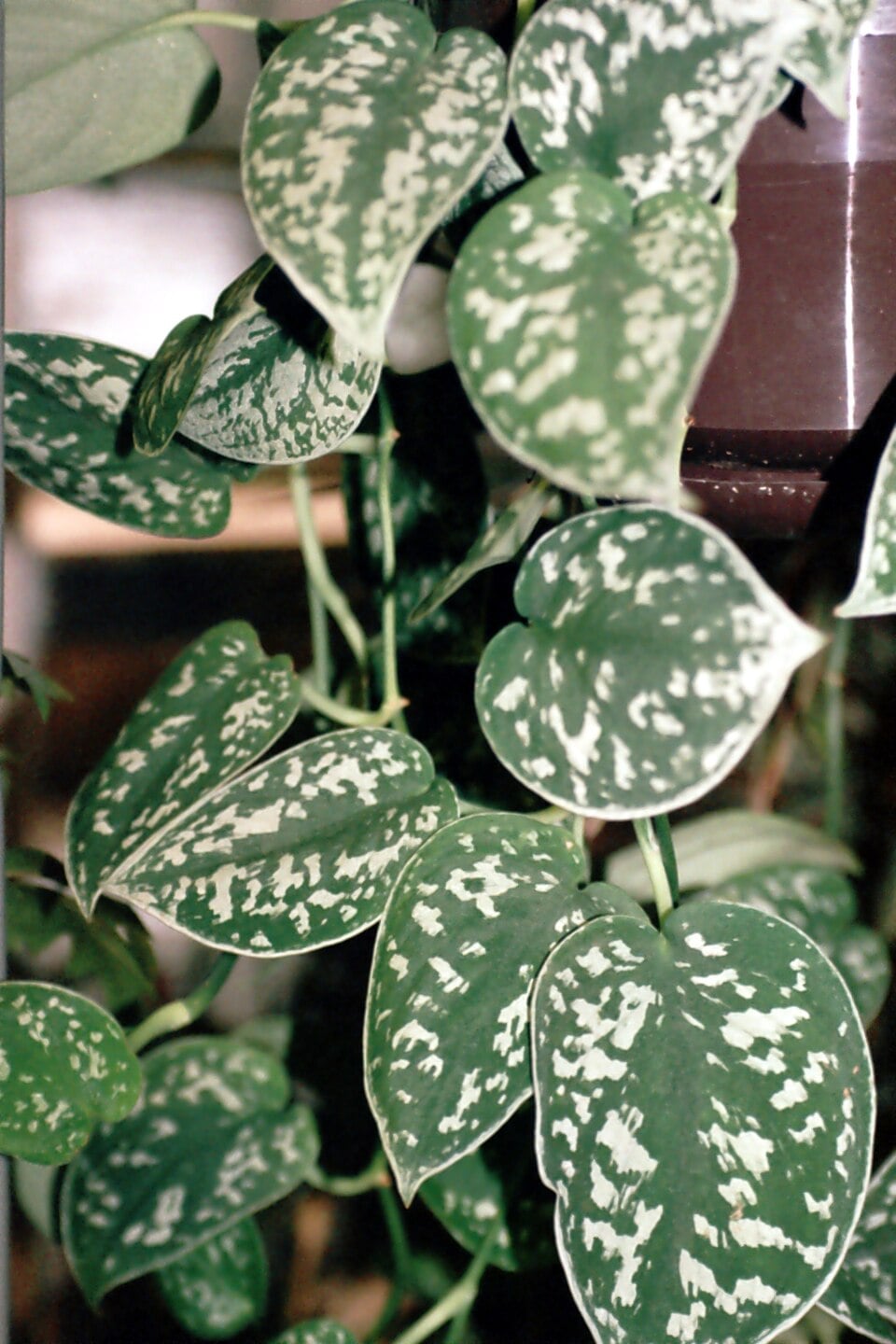
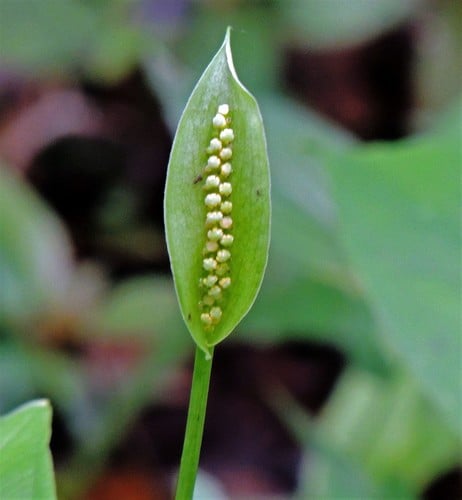
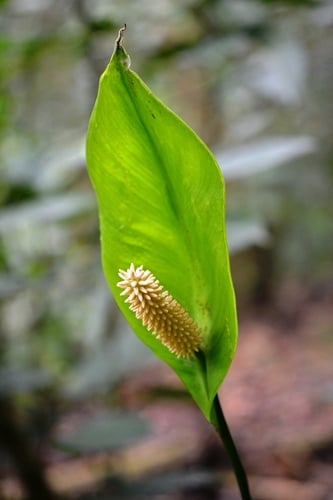
Homalomena philippinensis
Engl.
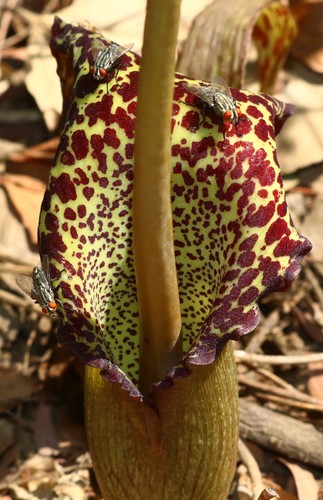
iNaturalist· cc-by-nc
(c) Langzi, some rights reserved (CC BY-NC), uploaded by Langzi
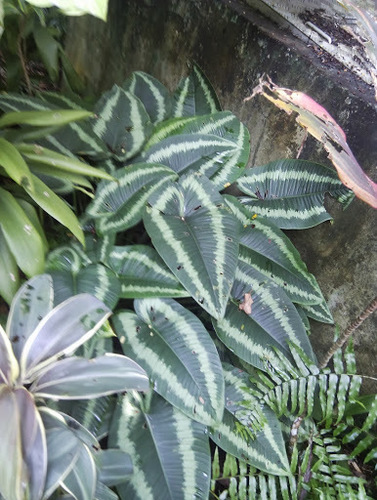
iNaturalist· cc-by
(c) Cheng-Te Hsu, some rights reserved (CC BY), uploaded by Cheng-Te Hsu
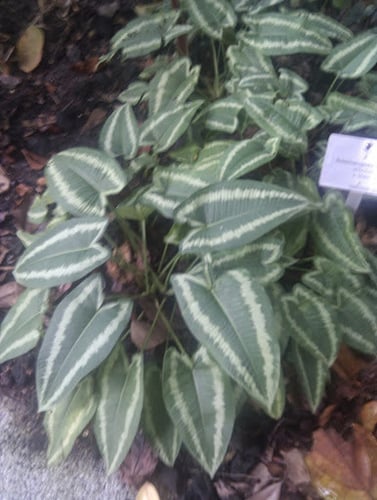
iNaturalist· cc-by-nc
(c) chuenliang, some rights reserved (CC BY-NC)
Summary
Source: WikipediaHomalomena philippinensis is a species of flowering plants in the family Araceae. It is native to the Philippines and Orchid Island in Taiwan. The plant has large heart-shaped leaves that grow up to around 1 m (3.3 ft) tall from an underground corm. It grows at low elevations usually in forests and along bodies of water. It is commonly known as payau or payaw, alupayi or alopayi, salet, or tahig, among other names. H. philippinensis is commonly grown as an ornamental plant. The petioles of the leaves have a sweet chewing gum scent when crushed. The leaves are used in Philippine folk medicine and for wrapping food in Philippine cuisine.
Description
A tropical herb in the Araceae family.
This description is brief — help expand it
Edible Uses
The tubers and roots are edible.
Medicinal Uses
The rhizomes are used as an embrocation to treat rheumatism. The leaves are vulnerary.
Known Hazards
Although no specific mention has been seen for this species, it belongs to a family where most of the members contain calcium oxalate crystals. This substance is toxic fresh and, if eaten, makes the mouth, tongue and throat feel as if hundreds of small needles are digging in to them. However, calcium oxalate is easily broken down either by thoroughly cooking the plant or by fully drying it and, in either of these states, it is safe to eat the plant. People with a tendency to rheumatism, arthritis, gout, kidney stones and hyperacidity should take especial caution if including this plant in their diet.
Distribution
It is a tropical plant.
Where It Grows
Asia, Indonesia, SE Asia,
Cultivation
The base of the petioles, when pulled off, has a very sweet chewing-gum odour especially when the tissues are crushed.
Other Uses
The large leaves are used for wrapping food.
Nutrition
| Part | Moisture | kJ | kcal | Protein | Vit A | Vit C | Iron | Zinc |
|---|---|---|---|---|---|---|---|---|
| Tubers | 69.8 | — | — | 2.1 | — | 1.1 | — | — |
Synonyms
References (1)
- Suwardi, A. B., 2018, Nutritional Evaluation of Some Wild Edible Tuberous Plants as Alternative Foods. Innovare Journal of Food Science, Vol. 6, Issue 2.