Mallotus peltatus
(Geiseler) Mull.Arg.
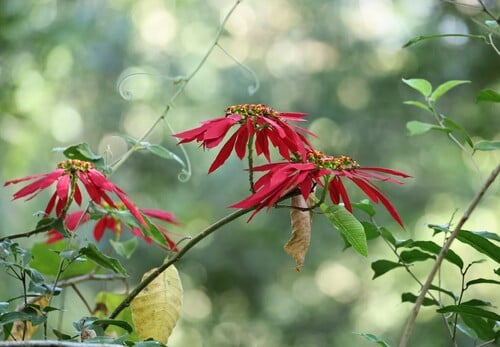
iNaturalist· cc-by-sa
(c) Abu Hamas, some rights reserved (CC BY-SA), uploaded by Abu Hamas
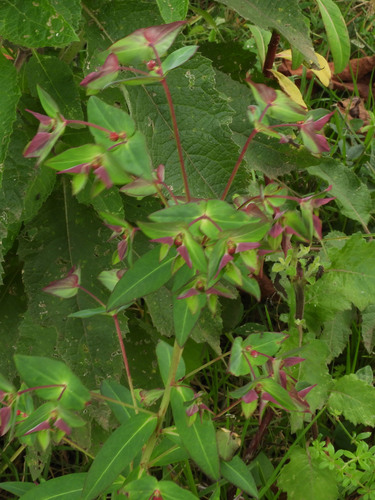
iNaturalist· cc-by-sa
(c) Abu Hamas, some rights reserved (CC BY-SA), uploaded by Abu Hamas
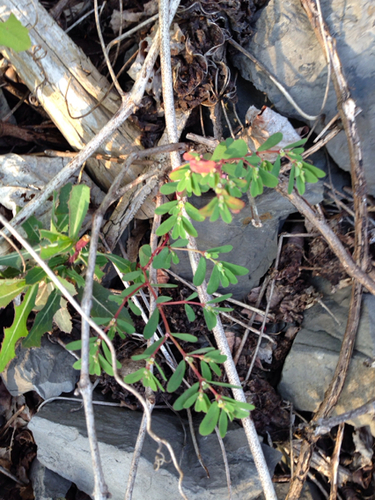
iNaturalist· cc-by-nc
(c) bonds, some rights reserved (CC BY-NC), uploaded by bonds
Summary
Source: WikipediaMallotus peltatus is a species of flowering plant in the family Euphorbiaceae, native from India to Papuasia. It was first described by Eduard Ferdinand Geiseler in 1807 as Aleurites peltatus.
Description
A tree.
This description is brief — help expand it
Edible Uses
In Hainan Province, China, its leaves are often harvested and sun-dried to serve as a common herbal tea named "Francolin Tea" (Chinese: 鹧鸪茶) on the dining table.
Distribution
It is a tropical plant.
Where It Grows
Andamans, Asia, Malaysia, SE Asia,
Synonyms
Also Known As
Tempayan manis
References (2)
- Murakami, A. et al, 2014, Screening for the In Vitro Anti-tumor-promoting Activities of Edible Plants from Malaysia. Bioscience, Biotechnology, and Biochemistry, 64:1, 9-16. (As Mallotus porterianus)
- World Checklist of Useful Plant Species 2020. Royal Botanic Gardens, Kew