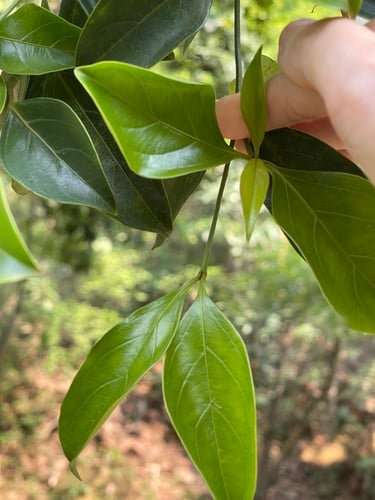
Cornus x unalaschkensis
Ledeb.
Bunchberry, Alaskan bunchberry
iNaturalist· cc-by-nc
(c) Carolyn Coyle, some rights reserved (CC BY-NC)
iNaturalist· cc-by-nc
(c) Carolyn Coyle, some rights reserved (CC BY-NC)
iNaturalist· cc-by-nc
(c) Carolyn Coyle, some rights reserved (CC BY-NC)
Summary
Source: WikipediaA low-growing perennial reaching 20cm tall and 30cm wide. Flowers from June to July and is pollinated by bees and flies. Hardy to UK zone 2. Thrives in light sandy or medium loamy soils with mildly acid to neutral pH, tolerating very acid soils. Prefers semi-shade such as light woodland settings with moist soil. Functions well as ground cover under trees and shrubs.
Description
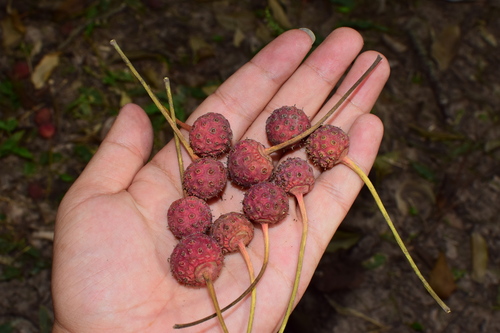
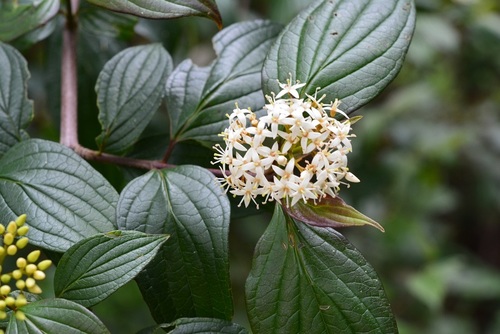
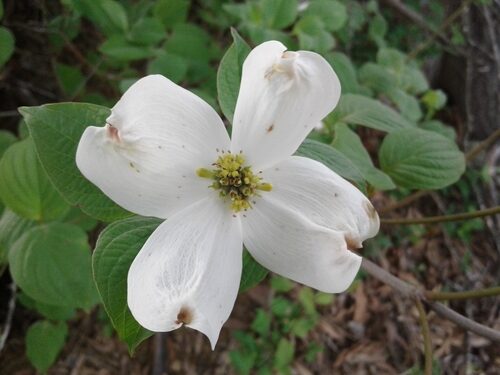
A shrub. It grows 20 cm tall and spreads 30 cm wide. The leaves are oval and in rings. They are 8 cm long. The flowers are small and have 4 white bracts around them. The fruit are red and 6-8 mm long. It is a natural occurring hybrid between Cornus canadensis x Cornus suecica.
Edible Uses
The fruit can be eaten raw or cooked, or dried for later use. It is a small berry, about 6mm in diameter, and is rich in pectin.
Traditional Uses
The fruit are eaten raw or cooked. They can be dried and stored for later use.
This uses section is brief — help expand it
Medicinal Uses
None known.
Distribution
It is a temperate plant.
Where It Grows
Alaska, Canada, North America, Russia, USA,
Cultivation
Requires a moist peaty acid sandy soil. This is a naturally occurring hybrid, C. canadensis x C. suecica, and is intermediate in characteristics between the parents.
Propagation
Seed is best sown as soon as it is ripe in a cold frame or an outdoor seedbed if sufficient seed is available. The seed must be separated from the fruit flesh, which contains germination inhibitors. Stored seed should be cold stratified for 3–4 months and sown as early in the year as possible. Scarification may help, as may a period of warm stratification before cold stratification. Germination, especially of stored seed, can be very slow, taking 18 months or more. Prick out cold-frame seedlings into individual pots once large enough to handle, overwinter in a greenhouse, and plant out in spring after the last expected frosts. Note that as a hybrid, this species may not breed true from seed. Division can be done in spring, though this plant can be temperamental when divided. It is best to tease out small divisions from the sides of the clump rather than digging up the whole plant, ensuring each division has already produced some roots. Pot divisions in light shade in a greenhouse and do not allow them to dry out. Once rooting and growing well — which may take up to 12 months — they can be planted into their permanent positions.
Other Uses
Based on the closely related C. suecica, which almost certainly applies here, the fruit is rich in pectin. The plant also makes a good ground cover, growing successfully under trees and shrubs.
Notes
There are about 45 Cornus species.
Also Known As
Cornus unalaschkensis Ledeb.
References (1)
- Plants for a Future database, The Field, Penpol, Lostwithiel, Cornwall, PL22 0NG, UK. http://www.scs.leeds.ac.uk/pfaf/