Aloysia virgata
(Ruiz & Pav.) Pers.
Twiggy aloysia, Sweet almond bush
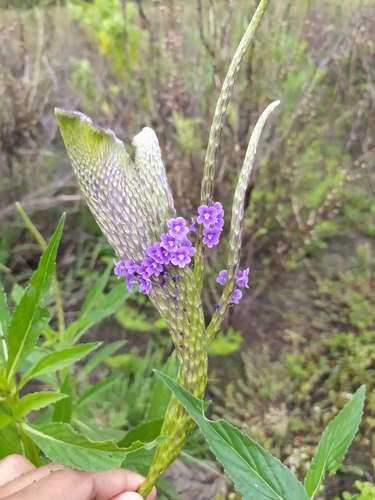
iNaturalist· cc-by-nc
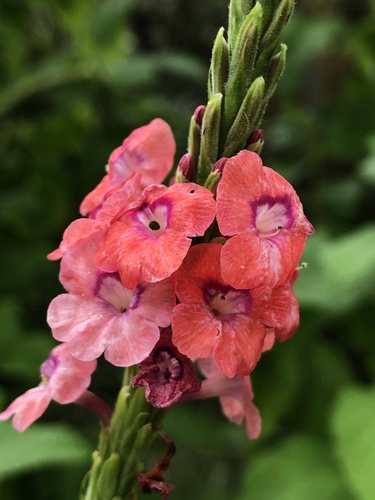
(c) Steven Chong, some rights reserved (CC BY-NC), uploaded by Steven Chong
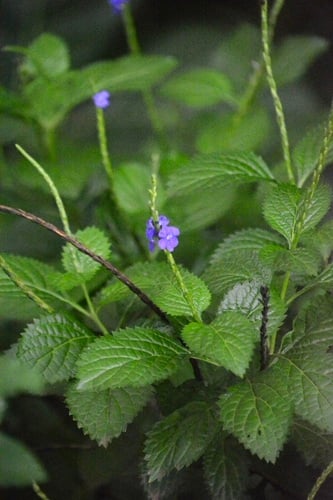
iNaturalist· cc-by-nc
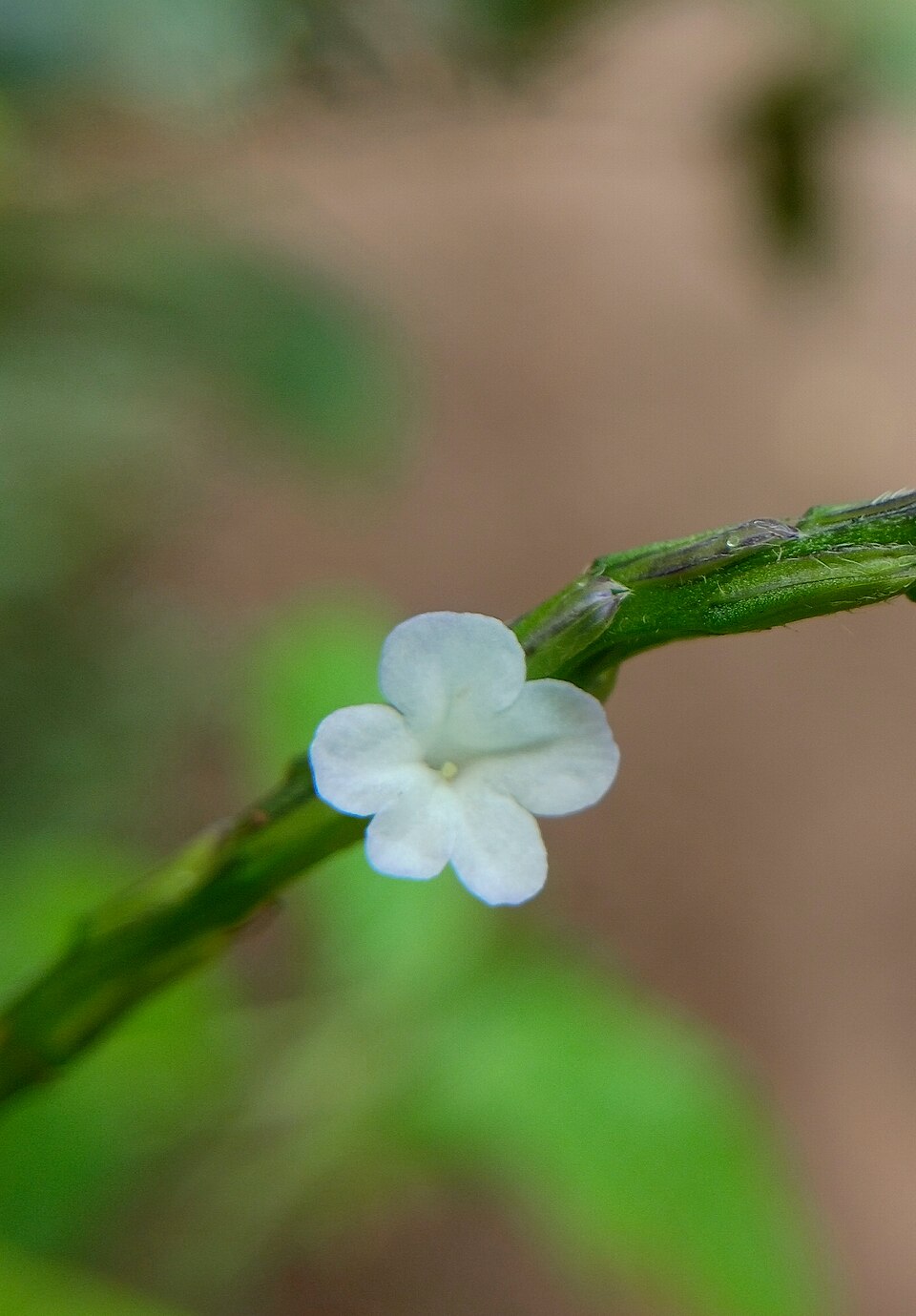
(c) Francisco Herrera, some rights reserved (CC BY-NC), uploaded by Francisco Herrera
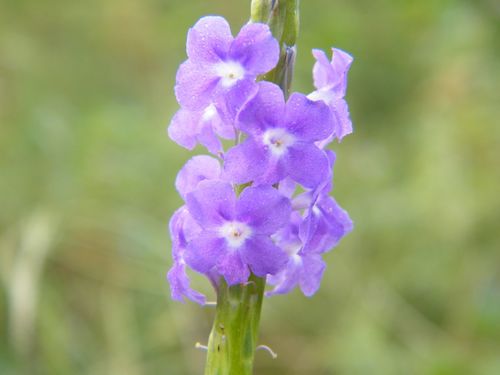
iNaturalist· cc-by-nc
(c) Rachel, some rights reserved (CC BY-NC), uploaded by Rachel
Summary
Source: WikipediaAloysia virgata, known as sweet almond verbena and sweet almond bush, is a perennial plant in the family Verbenaceae native to Argentina. It grows from Central Argentina up to Brazil and Peru, with multiple instances in Yucatán, Southeastern United States, and Texas.
Description
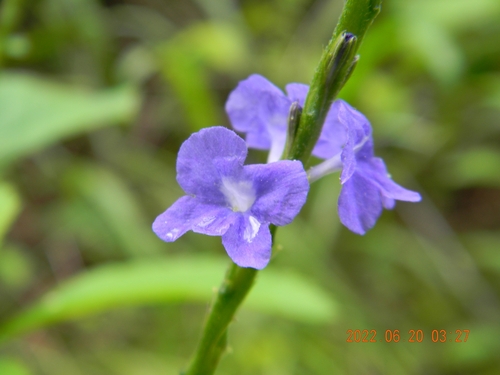
A large shrub or small tree. It grows 1.5-4.5 m tall and spreads 1.-2.4 m wide. The leaves are opposite each other along the stem. The flowers are in spikes at the ends of the branches. These are 20 cm long. They have a sweet scent.
Edible Uses
The leaves are consumed as a drink.
Distribution
It is a tropical plant.
Where It Grows
Argentina, Bolivia, Brazil, Central America, Cuba, Panama, Paraguay, Peru, South America, Uruguay, West Indies,
Cultivation
It can be grown from seed or by stem cuttings or air-layering.
Propagation
Seed - it retains its viability for at least six months, even when stored at room temperature. Sow the seed in a lightly shaded position in a nursery seedbed and only just cover the seed. A high germination rate can be expected, with the seeds sprouting within 7 - 14 days. Transplant the seedlings into individual containers when 3 - 5cm tall and they should be ready to plant out 4 - 5 months later.
Other Uses
The leaves have a very rough surface and have been used like a fine sandpaper to smooth the surfaces of wood, gourds etc. The wood is medium-textured, moderately heavy, hard, of good mechanical resistance but of low durability when exposed to the weather. Its small dimensions restrict its use to items such as tool handles, lathe work etc. The plant is commonly used as a hedge in Argentina and Cuba. A fast-growing, natural pioneer species, it is suitable for use in reforestation projects. The nectar-rich flowers are very attractive to bees.
Synonyms
Also Known As
Cama de nino, Camara-de-espeito, Cuna de nino, Ivira lata, Lixa, Lixeira, Nino-rupi
References (2)
- Grandtner, M. M. & Chevrette, J., 2013, Dictionary of Trees, Volume 2: South America: Nomenclature, Taxonomy and Ecology. Academic Press p 25
- Miguel, E., et al, 1989, A checklist of the cultivated plants of Cuba. Kulturpflanze 37. 1989, 211-357 (As Lippia virgata)