Coreopsis tinctoria
Nutt.
Cress-leaved tickseed
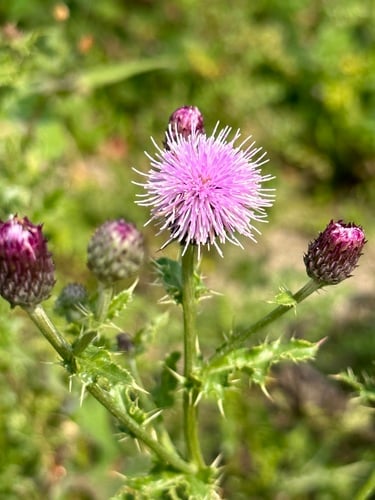
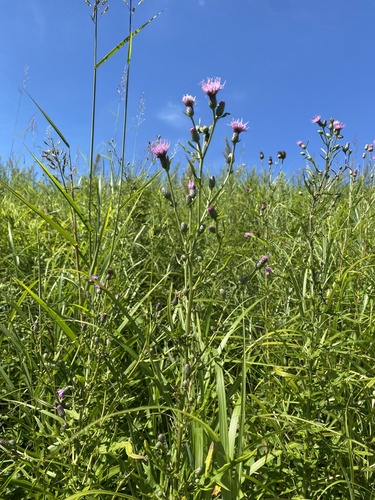
iNaturalist· cc-by-nc
(c) Jenn Drummond, some rights reserved (CC BY-NC), uploaded by Jenn Drummond
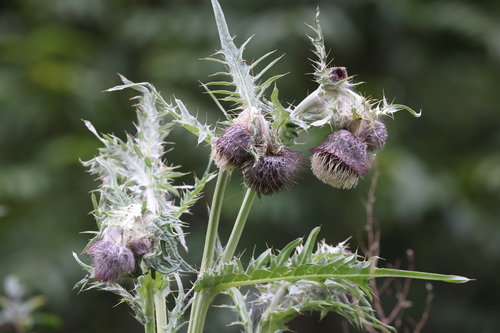
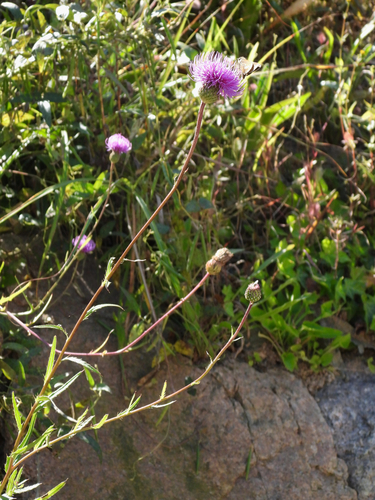
iNaturalist· cc-by-nc
(c) J. Richard Abbott, some rights reserved (CC BY-NC), uploaded by J. Richard Abbott
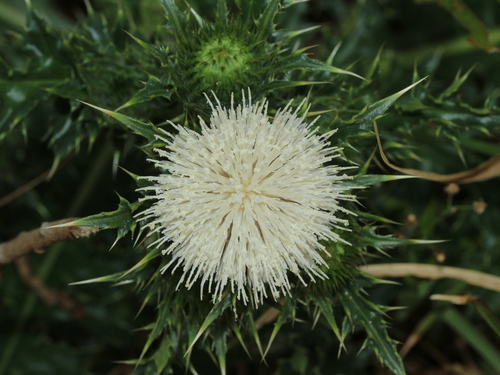
iNaturalist· cc-by-nc
(c) J. Richard Abbott, some rights reserved (CC BY-NC), uploaded by J. Richard Abbott
Summary
Source: WikipediaAnnual plant reaching 0.8 m tall and 0.2 m wide, growing at a medium rate. Foliage present April to November with flowers from June to September and seed ripening June to October. Hardy to UK zone 3. Hermaphrodite flowers attract bees and wildlife. Thrives in light sandy and medium loamy well-drained soils across mildly acid to mildly alkaline pH ranges. Requires full sun, tolerates both dry and moist conditions, and drought-resistant once established.
Description
A herb. It grows each year from seed. It grows 60-90 cm tall. The leaves are opposite and without stalks. They are 1-6 cm long by 0.5-2.5 cm wide. They are divided once or twice into narrow segments.
Edible Uses
A tea can be brewed from the dried plant, and it has been used as a coffee substitute.
Traditional Uses
The leaves have been used to make a drink.
This uses section is brief — help expand it
Medicinal Uses
A tea made from the roots is emetic and is also used in the treatment of diarrhoea. An infusion of the whole plant without the root has been used by women desiring a female baby.
Distribution
It is a temperate plant. In Argentina it grows between 200-500 m above sea level.
Where It Grows
Argentina, Asia, Central Asia, Korea, Myanmar, Niue, North America, SE Asia, Tajikistan, USA,
Cultivation
Succeeds in ordinary garden soil. Prefers a fertile well-drained moisture retentive medium soil. Does well in sandy soils. Requires a sunny position. Established plants are drought resistant. A good bee plant.
Propagation
Sow seed in March in a cold frame. Prick seedlings into individual pots once large enough to handle and plant out in summer. Where seed is plentiful, it can also be sown directly in situ outdoors.
Other Uses
A yellow dye — red when used with an acid mordant — is obtained from the flowers and used to dye cloth, though it performs poorly on plant fibres. The flowers can be dried for later use. The plant is also cultivated as an ornamental and used in wildlife gardens and natural landscaping.
Notes
There are about 100-120 Coreopsis species.
Also Known As
Sein-chai-pan
References (6)
- Beckstrom-Sternberg, Stephen M., and James A. Duke. "The Foodplant Database." http://probe.nalusda.gov:8300/cgi-bin/browse/foodplantdb.(ACEDB version 4.0 - data version July 1994) (As Coreopsis cardaminefolia)
- Facciola, S., 1998, Cornucopia 2: a Source Book of Edible Plants. Kampong Publications, p 37 (As Coreopsis cardaminefolia)
- Kermath, B. M., et al, 2014, Food Plants in the Americas: A survey of the domesticated, cultivated and wild plants used for Human food in North, Central and South America and the Caribbean. On line draft. p 265
- Trans. Amer. Philos. Soc. ser. 2, 7:360. 1841 (As Coreopsis cardaminefolia)
- Uphof, (As Coreopsis cardaminefolia)
Show all 6 references Hide references
- World Checklist of Useful Plant Species 2020. Royal Botanic Gardens, Kew