Cirsium neomexicanum
A.Gray
New Mexico thistle
iNaturalist· cc-by
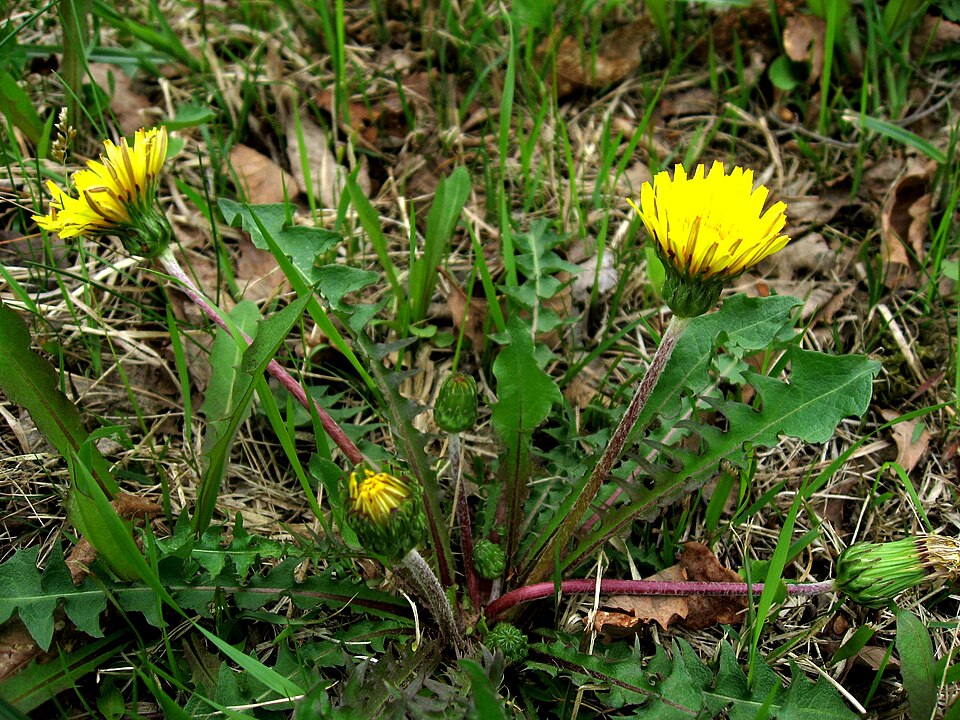
(c) Peter L Achuff, some rights reserved (CC BY), uploaded by Peter L Achuff
iNaturalist· cc-by
(c) Peter L Achuff, some rights reserved (CC BY), uploaded by Peter L Achuff
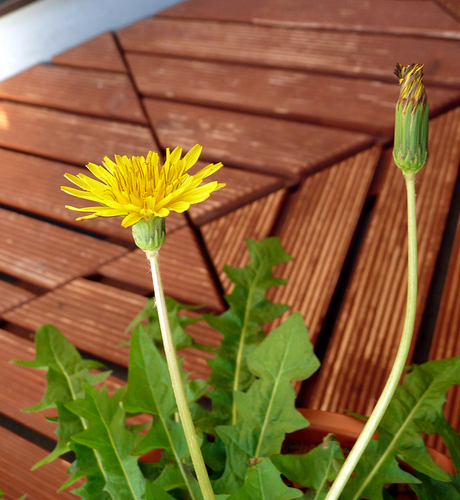
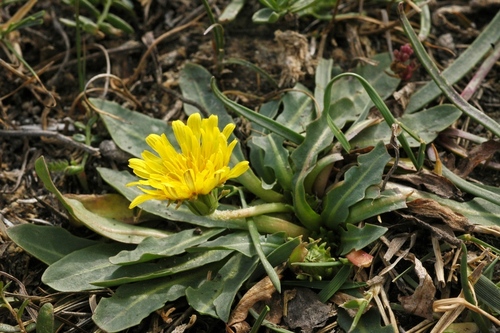
iNaturalist· cc-by-nc
(c) Richard Alward, some rights reserved (CC BY-NC), uploaded by Richard Alward
Description
Cirsium neomexicanum is an evergreen Perennial growing to 1 m (3ft 3in) by 0.3 m (1ft) at a fast rate. See above for USDA hardiness. It is hardy to UK zone 5. The flowers are pollinated by Bees, Insects. It is noted for attracting wildlife. Suitable for: light (sandy) and medium (loamy) soils and prefers well-drained soil. Suitable pH: mildly acid, neutral and basic (mildly alkaline) soils. It cannot grow in the shade. It prefers moist soil.
Edible Uses
A high-quality edible thistle, especially valuable for its starchy taproot and sweet, peeled stems. Edible Uses & Rating: The taproot is the most valuable edible part, followed by the peeled young stems. Leaves are technically edible but impractical due to spines and bitterness. Flowers may be chewed like gum or used cautiously as a beverage base, though receptacles are the preferred floral-derived food part. Overall, New Mexico thistle ranks as a high-value wild vegetable, especially for its roots and stems. Taste, Processing & Kitchen Notes: The taproot is thick, white to cream-colored inside, and mildly sweet with a starchy, potato-like character. Outer portions are tender and flavorful, while inner cores may become fibrous with age. Cooking improves texture but is not strictly required for young roots. Peeled stems are juicy, crisp, and slightly sweet, often compared to celery with a faint nutty undertone. Strings are present but softer than those of many wild plants. Leaves are bitter and spiny and do not improve much with cooking. Receptacles have an artichoke-like flavor but are small and labor-intensive to prepare. Seasonality (Phenology): Roots are best harvested from late autumn through early spring before flowering. Stems are optimal in early to mid-spring while still elongating. Flowering occurs from late spring into early summer, followed by seed production in summer. Safety & Cautions (Food Use): Spines can easily puncture skin; gloves are recommended during harvest. Roots should be harvested from clean sites free of chemical contamination. Harvest & Processing Workflow: Locate first-year rosettes or pre-flowering plants. Dig carefully to extract the taproot intact. Peel outer skin if desired and slice for boiling, roasting, or soup. Harvest stems while young, peel immediately, and consume fresh or lightly cooked. Cultivar/Selection Notes: No cultivars are known. Look-Alikes & Confusion Risks: Closely resembles other native Cirsium species. Food uses are broadly similar across the genus. Avoid confusing with Centaurea species, which lack edible roots and stems. Traditional / Indigenous Use Summary: Specific records for this species are limited, but its use aligns with widespread Indigenous harvesting of thistle roots and stems throughout the Southwest.
Known Hazards
Spines can easily puncture skin; gloves are recommended during harvest. Roots should be harvested from clean sites free of chemical contamination.
Distribution
Native to New Mexico, Arizona, southern Colorado, and adjacent regions.
Where It Grows
US. USA. Arizona, California, Colorado, Mexico Northeast, Mexico Northwest, Nevada, New Mexico, Texas, Utah.
Cultivation
New Mexico thistle is a dependable and rewarding wild food plant, offering high-quality roots and stems with minimal bitterness. Its nutritional value, abundance in suitable habitats, and similarity to other edible thistles make it a valuable species for foragers. Growing Conditions: New Mexico thistle prefers open mountain meadows, forest edges, and moist grasslands. It grows best in well-drained but seasonally moist soils and tolerates both loam and sandy substrates. It is commonly found at mid to high elevations. Habitat & Range: This species is native to New Mexico, Arizona, southern Colorado, and adjacent regions. It occurs primarily in montane environments, often associated with mixed conifer forests, open slopes, and meadow margins. Size & Landscape Performance: Plants commonly reach 1–1.5 meters tall in flower. They do not spread aggressively and occur as scattered individuals or small clusters rather than dense infestations. Cultivation (Horticulture): New Mexico thistle is not cultivated and has no horticultural role. It does not behave invasively and poses little management concern. Pests & Problems: Few significant pests affect this species. Spines provide natural defense against most herbivores. Pollination: Pollinated by bees, butterflies, and other generalist insects. Identification & Habit: In its first year, New Mexico thistle forms a basal rosette of large, spiny, deeply lobed leaves. During its second year, it produces a sturdy, upright flowering stalk that may branch near the top. Leaves are lance-shaped with prominent spines along the margins and midrib. Flower heads are large, rounded, and composed entirely of lavender to pale purple disk flowers, giving the plant a soft, powderpuff-like appearance when in bloom. The involucre bracts are spiny but not excessively rigid compared to some thistles.
Propagation
Propagation occurs by seed. Seeds disperse via wind using long, feathery pappi and typically germinate near parent plants.
Other Uses
The large flower heads attract bees, butterflies, and other pollinators. Seeds provide food for birds. The plant contributes positively to native pollinator communities.
Synonyms
Also Known As
New Mexico thistle, lavender thistle, powderpuff thistle