Parinari rodolphii
Huber
Rodolph parinari
gbif· cc-by
Royal Botanic Gardens, Kew
gbif· cc-by
Royal Botanic Gardens, Kew
gbif· cc-by-nc
Arizona State University Vascular Plant Herbarium (ASU-Plants)
Description
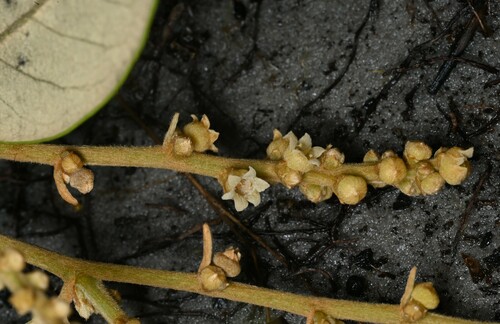
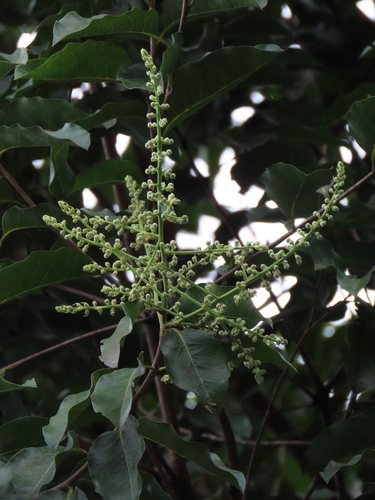
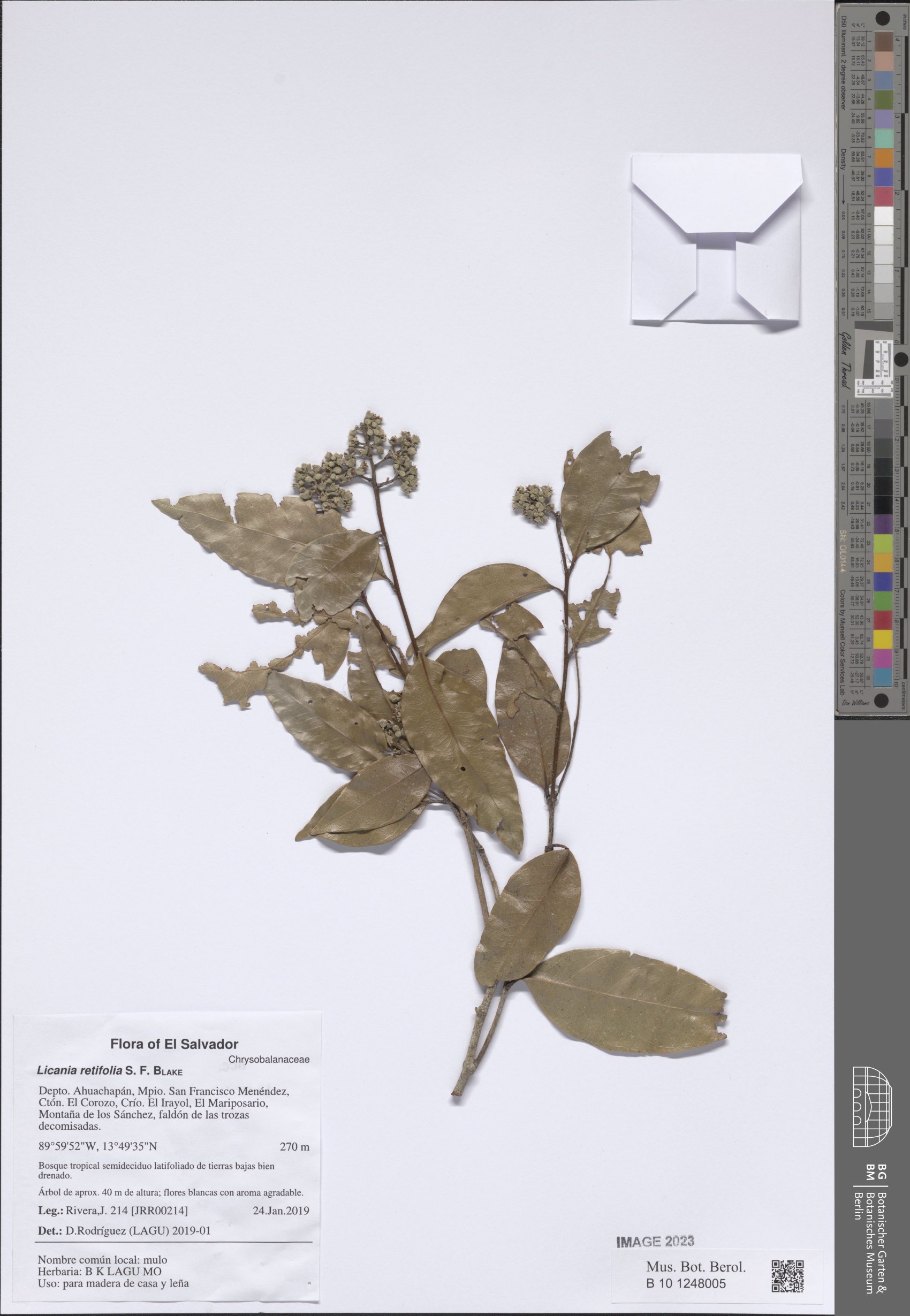
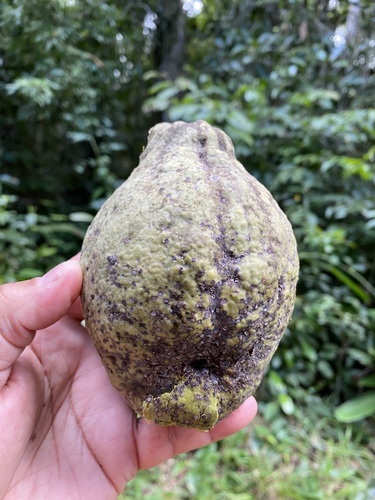
A tree. It grows 40 m tall. The trunk is 45 cm across. It can have buttresses 2 m high. The outer bark is flaky. The young branches have stiff rusty brown hairs. The leaves are alternate and simple. They are narrowly oval and 15 cm long by 4 cm wide. They are densely hairy underneath. The flowers are in dense groups at the ends of branches. These are 6 cm long and have rusty brown hairs. The fruit is narrowly oval and 6 cm long. It is warty and pinkish yellow on the outside. The flesh is starchy, yellow and has a sweet scent.
Edible Uses
The fruit are eaten in some places.
Distribution
It is a tropical plant. It grows in forests that are not or only occasionally flooded.
Where It Grows
Brazil, Colombia, Guianas, South America, Venezuela,
Other Information
The fruit are eaten in some places.
Synonyms
Also Known As
Arato'y, Buhurada, Burada, Counter, Ereyuru, Farinha-seca, Karapa pori, Merecure, Merecure montanero, Merecurillo, Merecurillo hoja ancha, Napi, Tapowonureng, Wild potato
References (3)
- Grandtner, M. M. & Chevrette, J., 2013, Dictionary of Trees, Volume 2: South America: Nomenclature, Taxonomy and Ecology. Academic Press p 481
- Maas, P.J. M., Non-Timber Forest Products of the North-West District of Guyana Part 2. The 85 most important NTFP species. p 174
- Roa, J. A. G. & Boada, D. S. G., 2018, Fundación para el Fortalecimiento de la Fruticultura y Plantas Alimenticias no Convencionales en Colombia.