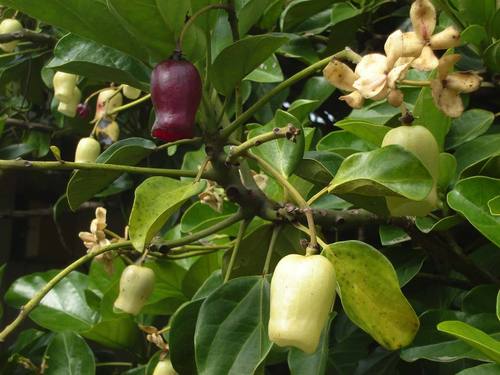
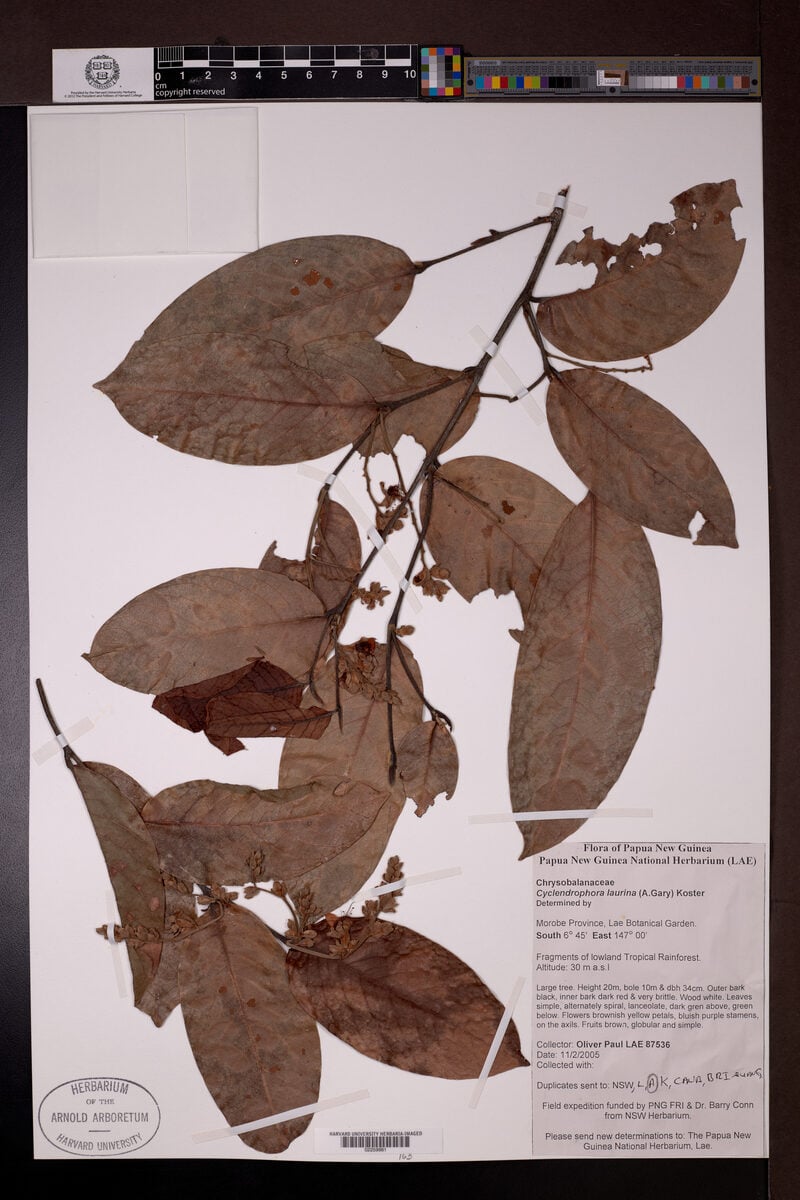
Licania hypoleuca
Benth.
Quarrey macho
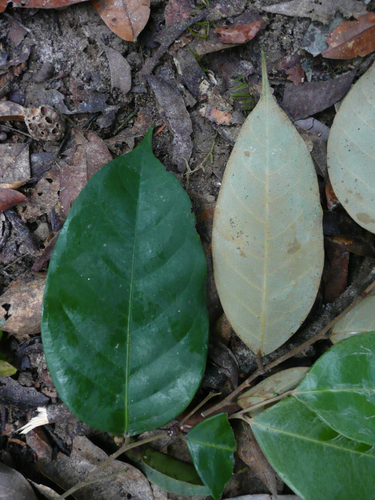
iNaturalist· cc-by-nc
(c) Jan Meerman, some rights reserved (CC BY-NC), uploaded by Jan Meerman
iNaturalist· cc-by-nc
(c) Jan Meerman, some rights reserved (CC BY-NC), uploaded by Jan Meerman
iNaturalist· cc-by-nc
(c) Jan Meerman, some rights reserved (CC BY-NC), uploaded by Jan Meerman
Description
A tropical tree found in humid lowlands with reddish, pear-shaped fruits.
This description is brief — help expand it
Edible Uses
The fruits are eaten.
Medicinal Uses
The bark is astringent.
Distribution
It is a tropical plant. It grows in the humid lowlands.
Where It Grows
Bolivia, Central America, Colombia, Guatemala, Guianas, South America,
Other Uses
The wood is brownish gray with a reddish hue, without distinctive odour or taste. It is very hard and heavy, of fairly straight or somewhat roey grain, medium-textured, hard to cut, easy to split, of dull surface when finished, apparently not resistant to decay. It is sometimes employed for heavy construction.
Synonyms
Also Known As
Hierrillo, Hierrillo blanco, Jocote de fraile
References (2)
- Kermath, B. M., et al, 2014, Food Plants in the Americas: A survey of the domesticated, cultivated and wild plants used for Human food in North, Central and South America and the Caribbean. On line draft. p 486
- Roa, J. A. G. & Boada, D. S. G., 2018, Fundación para el Fortalecimiento de la Fruticultura y Plantas Alimenticias no Convencionales en Colombia.