Cordyline australis
(G. Forst.) Hook. f.
Giant Dracaena, Cabbage Tree Palm, New Zealand cabbage tree
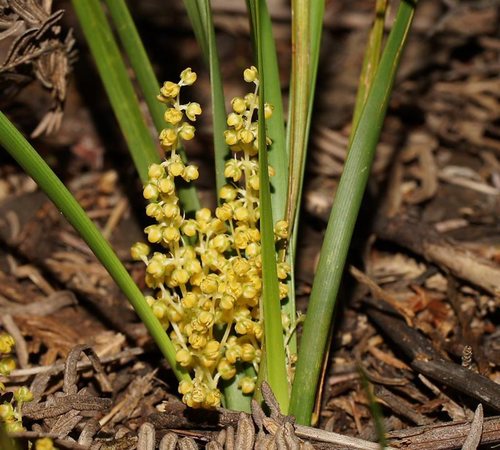
iNaturalist· cc-by
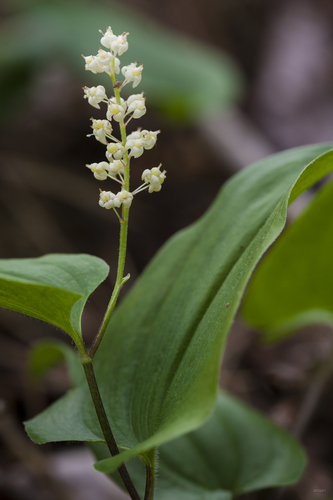
(c) Jon Sullivan, some rights reserved (CC BY)
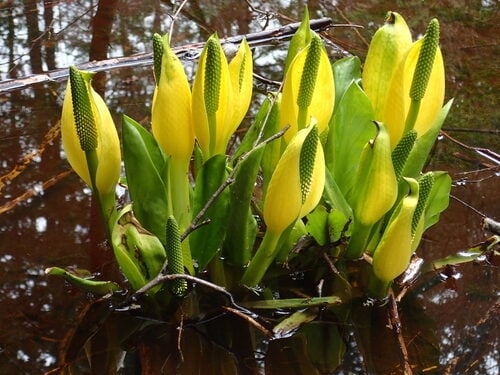
iNaturalist· cc-by
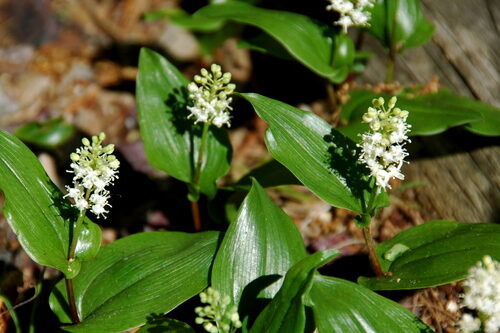
(c) Jon Sullivan, some rights reserved (CC BY)
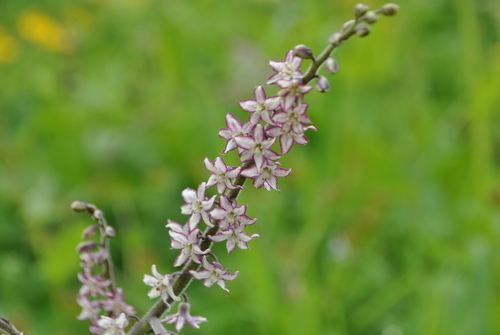
iNaturalist· cc-by-nc
(c) indecisive_cat, some rights reserved (CC BY-NC)
Summary
Source: WikipediaCordyline australis, commonly known as the cabbage tree, or by its Māori name of tī or tī kōuka, is a widely branched monocot tree endemic to New Zealand. It grows up to 20 metres (66 feet) tall with a stout trunk and sword-like leaves, which are clustered at the tips of the branches and can be up to 1 metre (3 feet 3 inches) long. With its tall, straight trunk and dense, rounded heads, it is a characteristic feature of the New Zealand landscape. It is common over a wide latitudinal range from the far north of the North Island to the south of the South Island. It grows in a broad range of habitats. Known to Māori as tī kōuka, the tree was used as a source of food, particularly in the South Island, where it was cultivated in areas where other crops would not grow. It provided durable fibre for textiles. Hardy and fast growing, it is widely planted in New Zealand gardens, parks and streets, and numerous cultivars are available. The tree can also be found in large numbers in island restoration projects, such as Tiritiri Matangi Island, where it was among the first seedling trees to be planted. It is also grown as an ornamental tree in higher latitude Northern Hemisphere countries with maritime climates, including parts of the upper West Coast of the United States, Canada and the British Isles, where its common names include Cornish palm, cabbage palm, Torbay palm and Torquay palm.
Description
An evergreen tree. It grows 7-10 m high. It is 2-3 m across. It has a small upright trunk and short stout branches. It can have several branches towards the top. At the top there are a large dense mass of sword-like grey-green leaves. These are 1 m long by 5 cm wide. They occur in rings. After 8-10 years they produce large plumes of creamy white flowers. The fruit are white or bluish berries.
Edible Uses
The root can be baked or brewed into an intoxicating drink. The pith of the trunk is dried and steamed until soft, becoming sweet and starchy — suitable for making porridge or a sweet drink. Both root and stems are rich in fructose, with yields that compare favourably with sugar beet (Beta vulgaris altissima). Young shoots are edible and can be used as a cabbage substitute. The leaves are very fibrous even when young and are not recommended for eating.
Traditional Uses
The sweet, fleshy underground stems or rhizomes are steamed or baked and eaten. They are also brewed into an alcoholic drink. Caution: Alcohol is a cause of cancer. The central pith of the trunk can be steamed and eaten. The central core or base of the young leaves emerging from the stem is diced and eaten raw or cooked.
Medicinal Uses
None known.
Distribution
It is a warm temperate to subtropical plant. It is fairly frost hardy. The do best in rich, well drained soil. It can tolerate salt spray. It grows in forests, swamps and on open hillsides. It suits hardiness zones 8-11. In Melbourne Botanical Gardens.
Where It Grows
Asia, Australia, Britain, Europe, Falklands, India, Indonesia, Ireland, New Zealand*, SE Asia, Slovenia, Tasmania,
Cultivation
They can be grown from seed or stem cuttings.
Propagation
Seed should be pre-soaked for about 10 minutes in warm water, then sown in late winter to early spring in a warm greenhouse. Germination typically occurs within 1–3 months at 25°C, usually at a good rate. Prick seedlings into individual pots as soon as they are large enough to handle and grow on in the greenhouse through at least their first winter. Plant out in late spring after the last expected frosts, with some protection during the first winter outdoors. For stem cuttings, cut the main stem just below the head and saw into 5cm thick blocks. Place these 3cm deep in pure peat in a heated frame, keep moist until rooting well, then pot individually and plant out after the last frosts. Suckers are best removed in early spring and planted out in situ. Protect divisions from wind and cold and keep the soil consistently moist until established. Divisions may also be potted up and grown on before planting out in summer.
Other Uses
The leaves contain saponins, though not in commercial quantities. They also yield a strong fibre used in making paper, twine, cloth, baskets, thatching, and rain capes, with whole leaves used directly in some applications. For papermaking, leaves are harvested in summer, scraped to remove the outer skin, and soaked in water for 24 hours before cooking. Carbon farming applications include use as an industrial fibre crop.
Notes
There are 15-20 Cordyline species. Also put in the family Laxmanniaceae.
Synonyms
Also Known As
Južna kijevka, Kordilin selandia baru, Pandan merah, Ti kouka, Whanake
References (26)
- Bodkin, F., 1991, Encyclopedia Botanica. Cornstalk publishing, p 280
- Brickell, C. (Ed.), 1999, The Royal Horticultural Society A-Z Encyclopedia of Garden Plants. Convent Garden Books. p 295
- Cambie, R. C. & Ferguson, L. R., 2003, Potential functional foods in the traditional Maori diet. Mutation Research/Fundamental and Molecular Mechanisms of Mutagenesis. Volumes 523–524, February–March 2003, Pages 109-117
- Crowe, A., 1997, A Field Guide to the Native Edible Plants of New Zealand. Penguin. p 17
- Cundall, P., (ed.), 2004, Gardening Australia: flora: the gardener's bible. ABC Books. p 412
Show all 26 references Hide references
- Etherington, K., & Imwold, D., (Eds), 2001, Botanica's Trees & Shrubs. The illustrated A-Z of over 8500 trees and shrubs. Random House, Australia. p 225
- Facciola, S., 1998, Cornucopia 2: a Source Book of Edible Plants. Kampong Publications, p 92
- Hibbert, M., 2002, The Aussie Plant Finder 2002, Florilegium. p 73
- Joyce, D., 1998, The Garden Plant Selector. Ryland, Peters and Small. p 109
- Lavelle, M., 2008, Wild Flowers of Australia and Oceania. Southwater. p 88
- Lim, T. K., 2015, Edible Medicinal and Non Medicinal Plants. Volume 9, Modified Stems, Roots, Bulbs. Springer p 28
- Lord, E.E., & Willis, J.H., 1999, Shrubs and Trees for Australian gardens. Lothian. p 94
- Matthews, J., 1987, New Zealand Native Plants for your Garden. Pacific Publishers, p 35
- Morley, B. & Everard, B., 1970, Wild Flowers of the World. Ebury press. Plate 142
- Perry, F., and Hay, R., 1982, Guide to Tropical and Subtropical Plants. Sun Books p 24
- Plants for a Future database, The Field, Penpol, Lostwithiel, Cornwall, PL22 0NG, UK. http://www.scs.leeds.ac.uk/pfaf/
- Prodr. fl. Norfolk. 29. 1833 (J. D. Hooker, Gard. Chron. 1860:792. 1860)
- Salmon, J.T., 1989, The Native Trees of New Zealand. Heinmann Reid p 348
- Smith, N., Mori, S.A., et al, 2004, Flowering Plants of the Neotropics. Princeton. p 454
- Stewart, K., 1984, Collins handguide to the Native Trees of New Zealand. Collins. p 28
- Sukarya, D. G., (Ed.) 2013, 3,500 Plant Species of the Botanic Gardens of Indonesia. LIPI p 736
- Tanaka,
- Tasmanian Herbarium Vascular Plants list p 59
- Upson, R., & Lewis R., 2014, Updated Vascular Plant Checklist and Atlas for the Falkland Islands. Falklands Conservation and Kew.
- Wiersema, J. H. & Leon, B., 2013, World Economic Plants. A Standard Reference CRC Press. 2nd Ed. p 199
- World Checklist of Useful Plant Species 2020. Royal Botanic Gardens, Kew