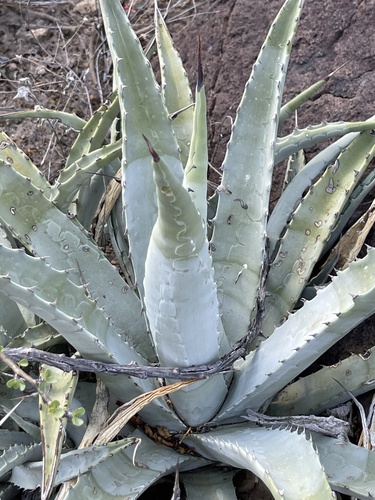
Polygonatum odoratum thunbergii - (C.Morris.&Decne.)Hara.
(C.Morris.&Decne.)Hara.
gbif· cc-by
GBIF
gbif· cc-by
Meise Botanic Garden
gbif· cc-by
GBIF
Description
Polygonatum odoratum thunbergii is a PERENNIAL growing to 0.5 m (1ft 8in). See above for USDA hardiness. It is hardy to UK zone 4. It is in flower in April. The species is hermaphrodite (has both male and female organs) and is pollinated by Bees. The plant is self-fertile. Suitable for: light (sandy), medium (loamy) and heavy (clay) soils and prefers well-drained soil. Suitable pH: mildly acid, neutral and basic (mildly alkaline) soils. It can grow in full shade (deep woodland) or semi-shade (light woodland). It prefers moist soil.
Edible Uses
Young shoots - raw or cooked. They can be used as an asparagus substitute. Root - raw or cooked. Rich in starch.
Known Hazards
Although no reports of toxicity have been seen for this species, some members of this genus are believed to have poisonous fruits and seeds.
Distribution
E. Asia - Japan.
Where It Grows
Coming Soon
Cultivation
Prefers a fertile humus rich moisture-retentive well-drained soil in cool shade or semi-shade. Plants are intolerant of heat and drought but they tolerate most other conditions. Naturalizes well in woodlands and copses. Members of this genus are rarely if ever troubled by browsing deer or rabbits. The young shoots of most members of this genus are very attractive to slugs. Hybridizes with other members of this genus.
Propagation
Seed - best sown as soon as it is ripe in early autumn in a shady part of a cold greenhouse. Sow stored seed as early in the year as possible. Germination can be slow, they may not come true to type and it takes a few years for them to reach a good size. When they are large enough to handle, prick the seedlings out into individual pots and grow them on in a shady position in the greenhouse for at least their first winter. Plant them out into their permanent positions in late spring or early summer, after the last expected frosts. Division in March or October. Larger divisions can be planted out direct into their permanent positions. We have found that it is better to pot up the smaller divisions and grow them on in light shade in a cold frame until they are well established before planting them out in late spring or early summer.