Oxandra espintana
(Spruce ex Benth.) Baill.
gbif· cc-by
Royal Botanic Gardens, Kew
gbif· cc-by
Universidade Federal Rural do Rio de Janeiro (RBR)
gbif· cc-by-nc-sa
Proyecto Madidi
Description
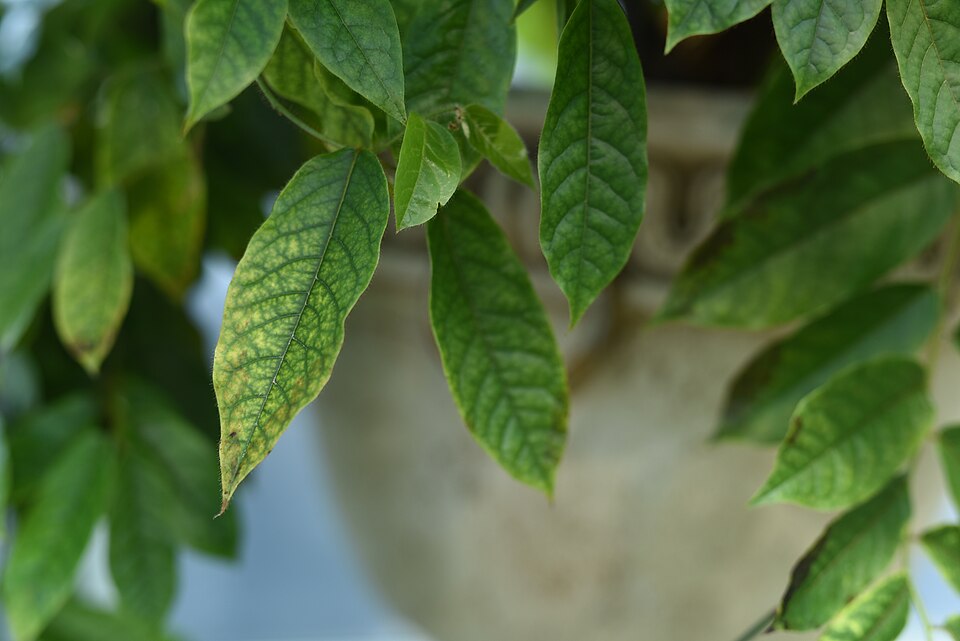
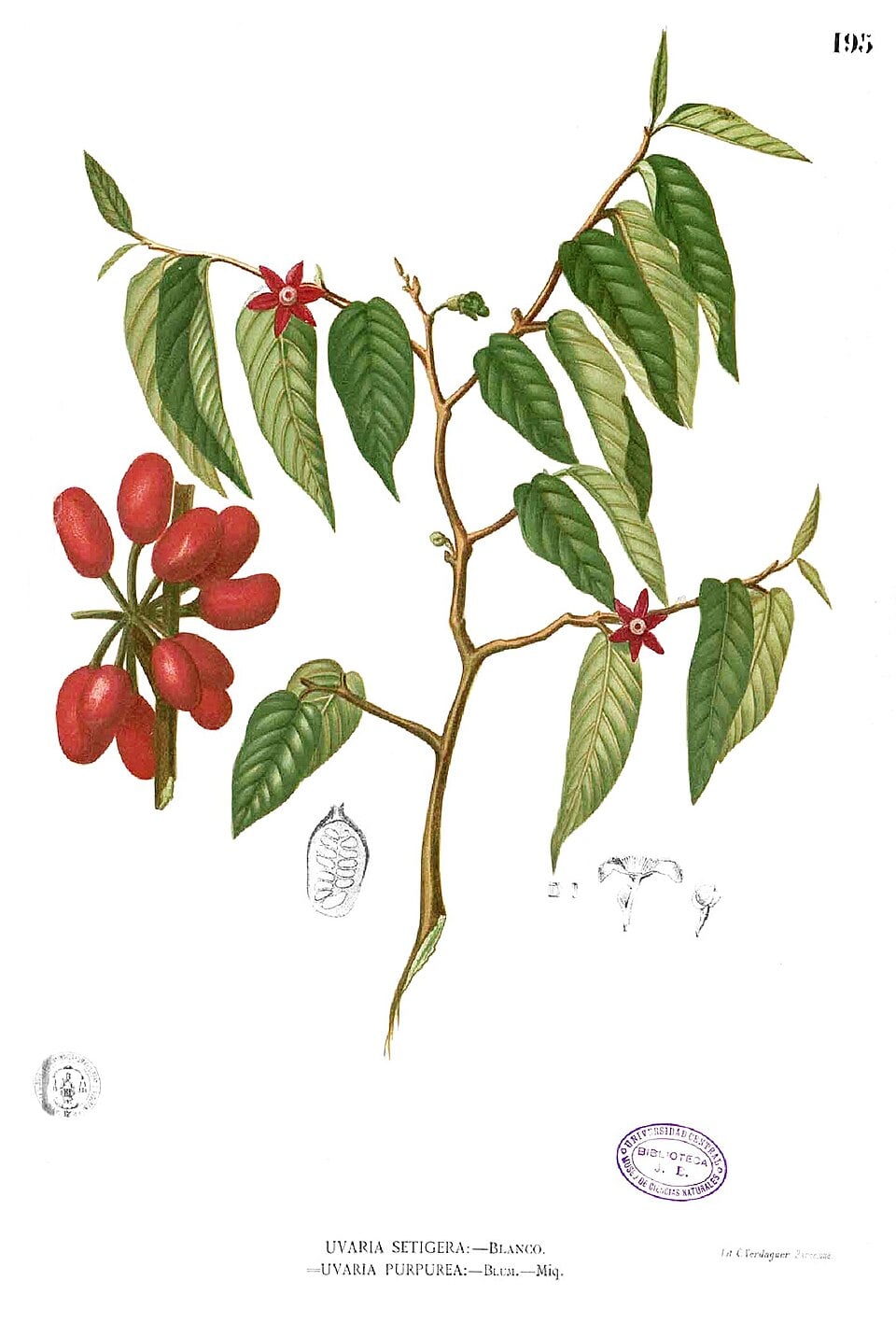
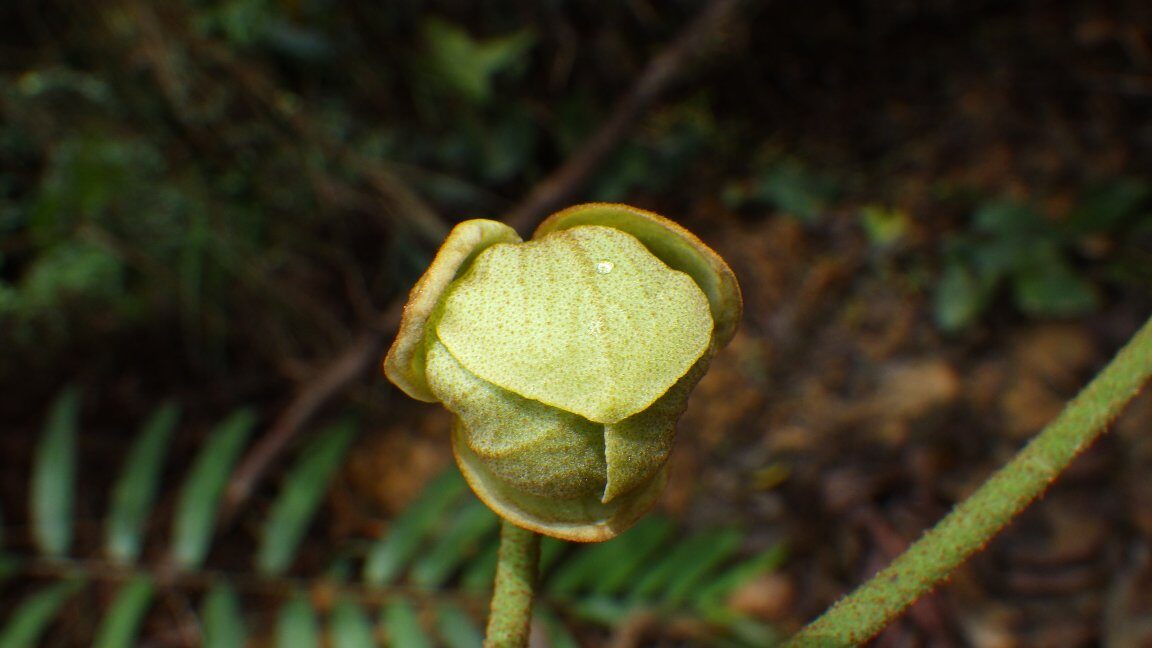
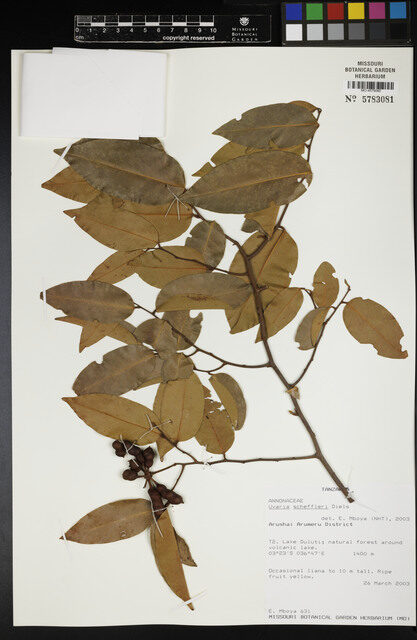
A shrub or tree. It grows 2-30 m tall. The trunk can be 5-60 cm across. The leaves are 5-14 cm long by 2-7 cm wide. There are 1-6 fruit in a group. They are green but turn orange to red then dark red as they ripen. They are oval and 7-13 mm long by 5-10 mm wide.
Edible Uses
Fruit edible. The fruit is composed of 1 - 6, dark red to black, ellipsoid to globose monocarps around 7 - 17mm long and 5 - 12mm wide.
Medicinal Uses
The bark is cooked in water for one hour and used for treating rheumatism.
Distribution
It is a tropical plant. It is usually in non flooded forest. It grows from sea level to 1,000 m above sea level.
Where It Grows
Amazon, Bolivia*, Brazil, Colombia, Peru, South America, Venezuela,
Cultivation
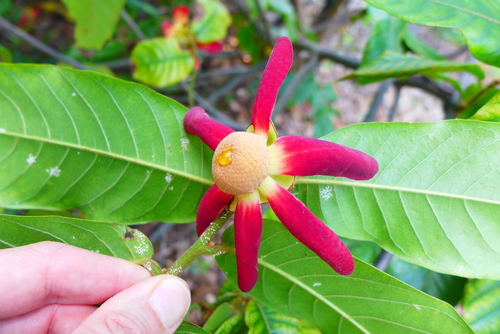
The flowers are sweetly scented. Plants can flower and produce fruit all year round.
Other Uses
The wood is used in construction and for making furniture.
Production
Plants flower and fruit througout the year.
Synonyms
Also Known As
Araticum do mato, Chaporoasca, Guacano, Juruqui, Piraquina negor, Rimo, Sipico yejperi, Sipucu, Sipiku negro
References (3)
- Junikka, L., et al, 2016, Revision of Oxandra (Annonaceae). Blumea 61, 2016: 215–266
- Kew Plants of the World onLine
- Rusby HH. 1920. Descriptions of three hundred new species of South American plants: 18–20. New York, published by the author.