Cymbopetalum brasiliense
(Vell.) Benth. ex Baill.
Brazil cymbopetalum
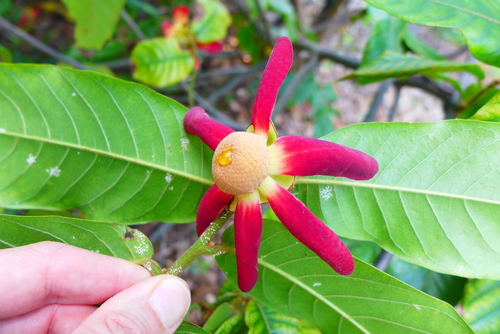
iNaturalist· cc-by-nc
(c) Marcondes Oliveira, some rights reserved (CC BY-NC), uploaded by Marcondes Oliveira
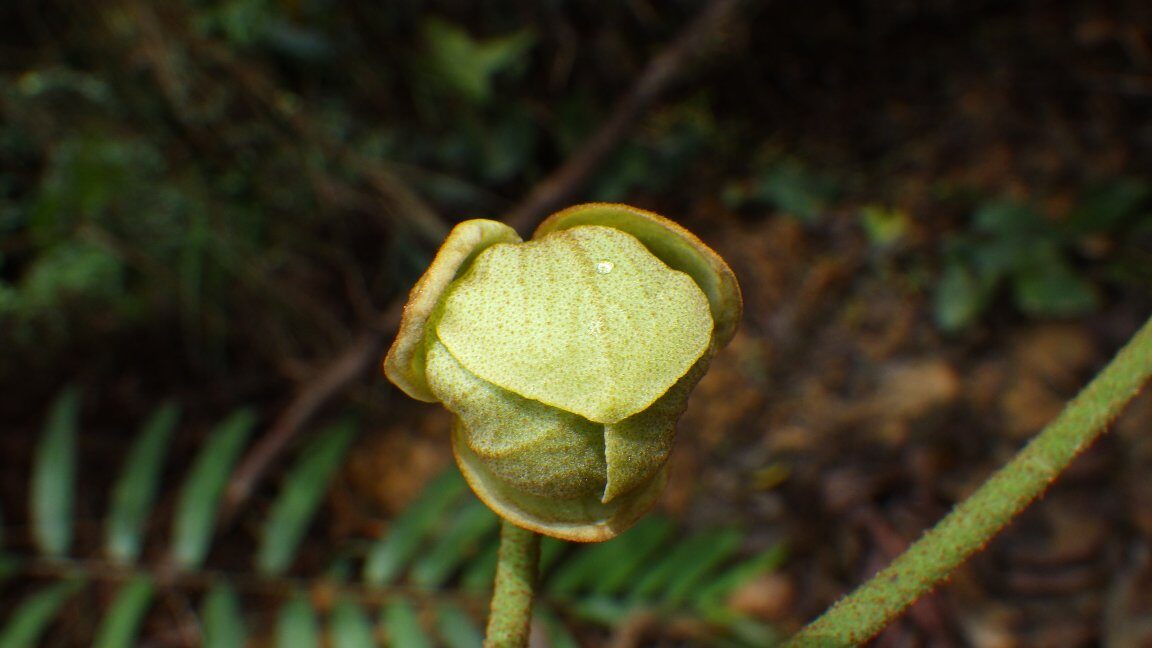
iNaturalist· cc-by-nc
(c) Marcondes Oliveira, some rights reserved (CC BY-NC), uploaded by Marcondes Oliveira
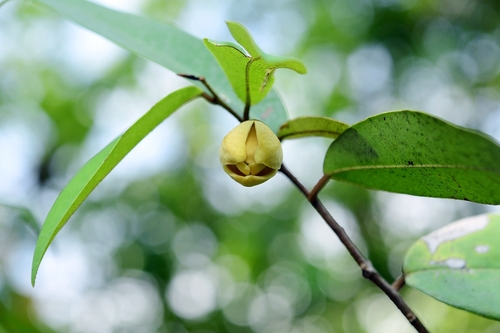
iNaturalist· cc-by-nc
(c) Marcondes Oliveira, some rights reserved (CC BY-NC), uploaded by Marcondes Oliveira
Description
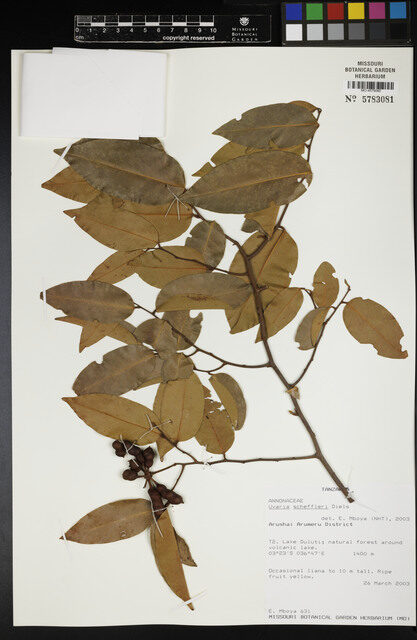
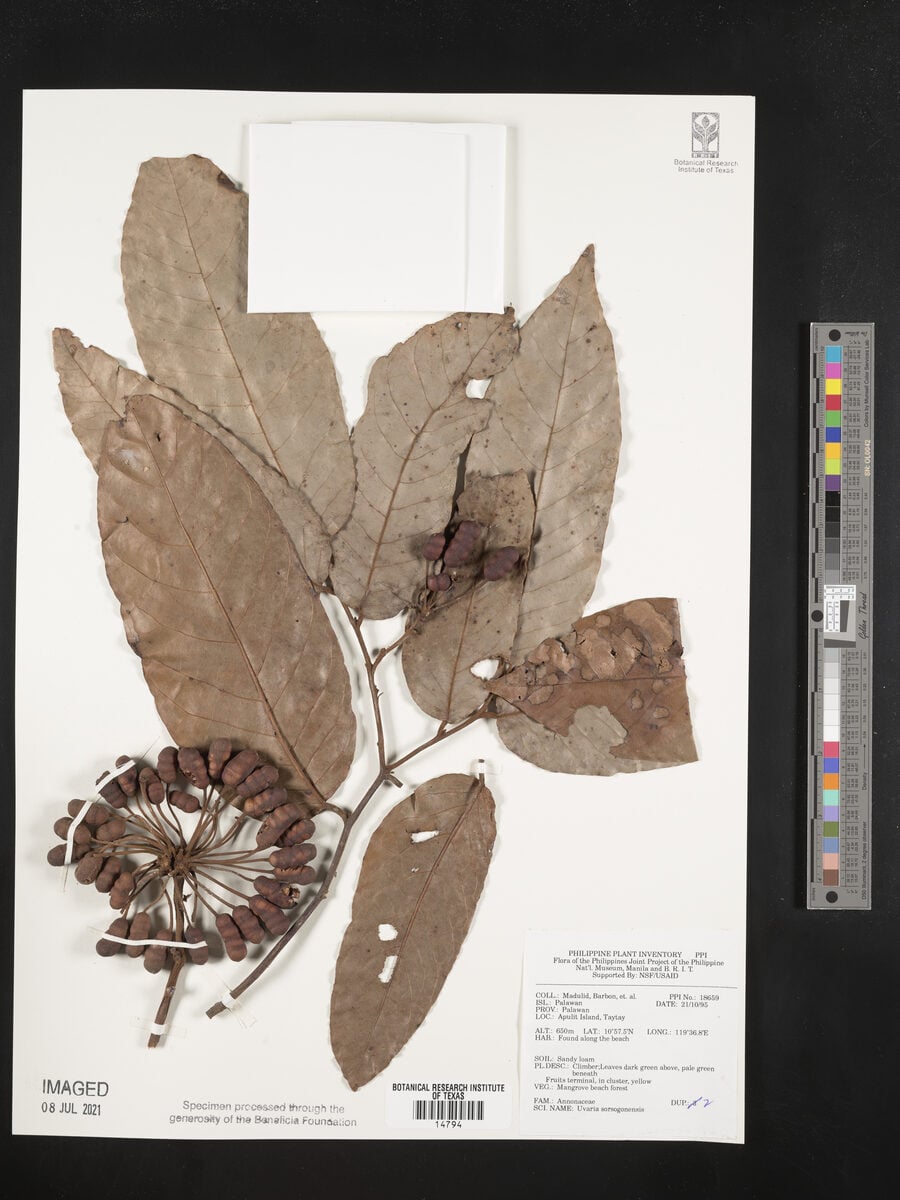
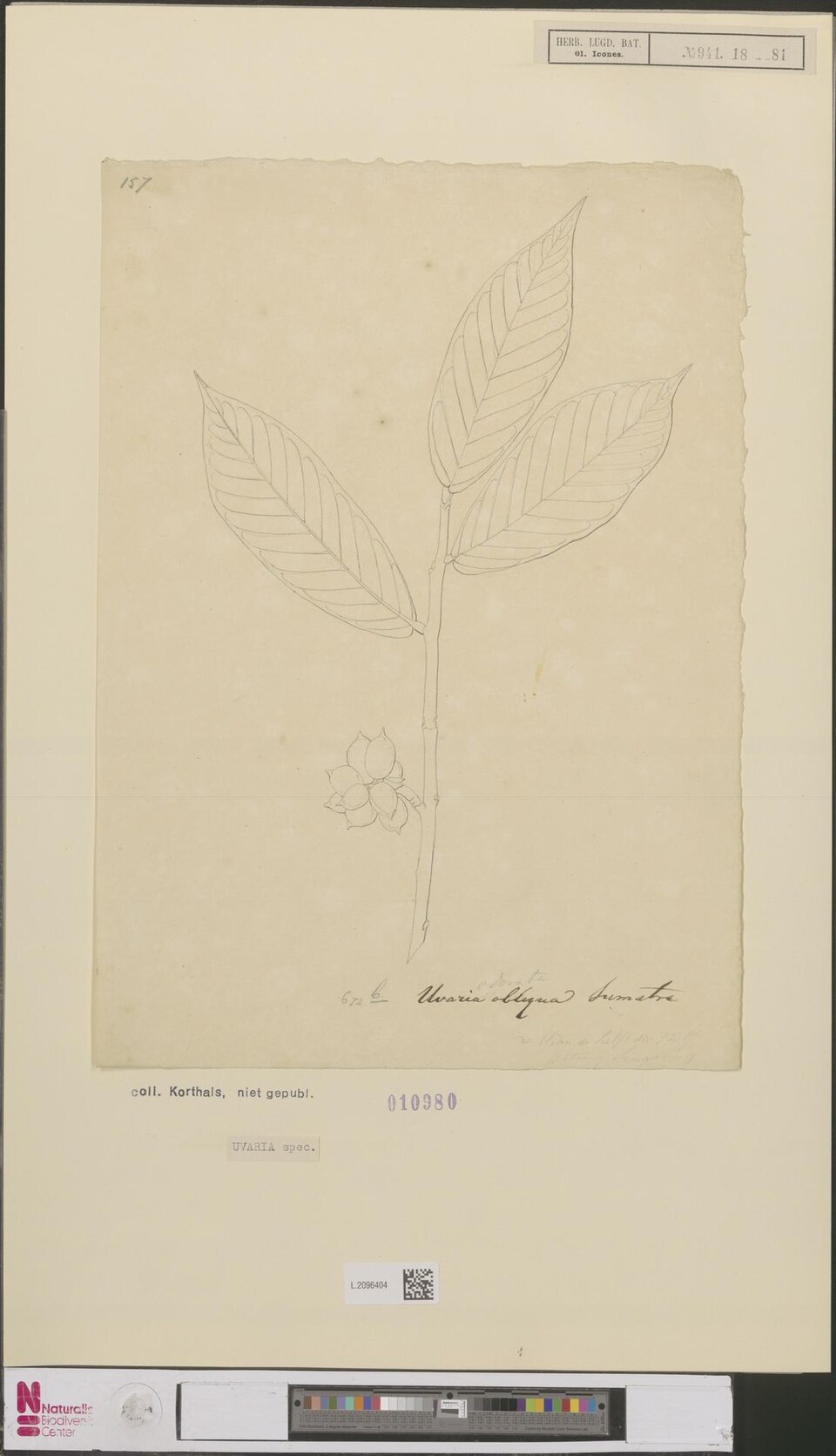
A small tree. It grows 5 m tall. The short branches are hairy at first. The leaves are broadly sword shaped and 15-30 cm long and 6-10 cm wide. The flowers are large and hang down. There are many fruit that are curved and rounded at both ends. They are 3.5 cm long by 1.5 cm wide. There are up to 6 seeds. They are shiny and black.
Edible Uses
The fruit and seeds are eaten.
Medicinal Uses
A decoction of the rasped bark is used for treating blood in the stools. The ashes of the bark are rubbed on skin rashes. The rasped inner bark is applied topically to stanch the flow of blood The bark and the fruit are applied topically to treat ringworm. A decoction of the leaves is used in the treatment of rheumatism. The leaves are added to the water used for bathing in order to reduce fever. Smoke from the leaf is inhaled as a remedy for stomachache.
Known Hazards
The bark contains alkaloids.
Distribution
It is a tropical plant. It grows in lowland forests from sea level to 800 m above sea level.
Where It Grows
Bolivia*, Brazil, Colombia, French Guiana, Guyana, Panama, Peru, South America, Suriname, Trinidad-Tobago, Venezuela,
Notes
The bark contains alkaloids.
Synonyms
Also Known As
Beremo, Envira da mata, Mauro, Pirayauara, Rudirimo xurumici, Yarayara
References (5)
- Braun, M., et al, 2011, Absence of pollinators and apomictic fruit prduction in an Atlantic rainforest population of Cymbopetalum brasiliense (Annonaceae). Plant Syst, Evol. (2011) 296:265-273
- Grandtner,
- Paniagua Zambrana, N. Y., et al, 2017, Traditional knowledge hiding in plain sight - twenty-first century ethnobotany of the Chacobo in Beni, Bolivia. Journal of Ethnobiology and Ethnomedicine (2017) 13:57
- Roa, J. A. G. & Boada, D. S. G., 2018, Fundación para el Fortalecimiento de la Fruticultura y Plantas Alimenticias no Convencionales en Colombia.
- Worldflora on line