Aegiphila verticillata
Vell.
iNaturalist· cc-by-nc
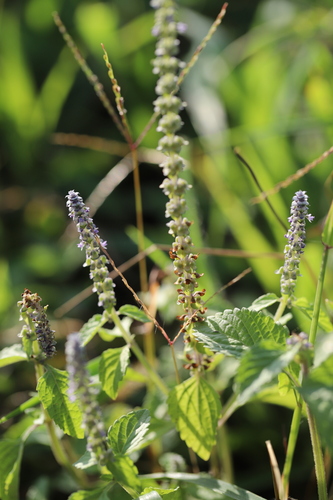
(c) Laurent Quéno, some rights reserved (CC BY-NC), uploaded by Laurent Quéno
iNaturalist· cc-by-nc
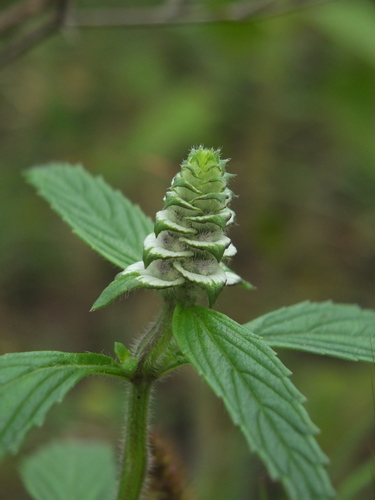
(c) Laurent Quéno, some rights reserved (CC BY-NC), uploaded by Laurent Quéno
iNaturalist· cc-by-nc
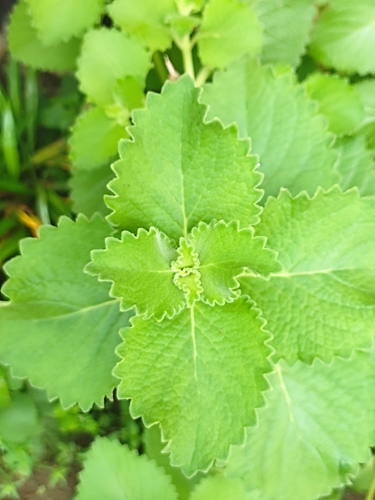
(c) luedemann_g, some rights reserved (CC BY-NC)
Description
A tropical shrub of the Lamiaceae family.
This description is brief — help expand it
Distribution
It is a tropical plant.
Where It Grows
Brazil, South America,
Cultivation
Grows best in a sunny position. Tolerant of poor and dry soils, though it grows better and larger in more fertile conditions. Established plants are drought tolerant. Young plants have a fast rate of growth.
Propagation
Seed - best sown as soon as it is ripe in a sunny position in a nursery seedbed. Be sure to remove all the flesh around the fruits since this contains germination inhibitors. A low germination rate can usually be expected, with the seed sprouting within 35 - 50 days. When the seedlings are 4 - 5cm tall, pot them up into individual containers and they should be ready to plant out 4 - 5 months later.
Other Uses
The wood is medium-textured, straight-grained, moderately heavy, soft, with poor mechanical properties, of low durability and very susceptible to wood eating organisms. It is sometimes used locally for rustic constructions etc. The wood is used for fuel and to make charcoal. A fast-growing plant that can tolerate a wide range of conditions and provides food for the native fauna, it can be used as a pioneer species when restoring native woodland and also when establishing woodland gardens.
Synonyms
Also Known As
Tamanqueria
References (1)
- Bortolotto, I. M., et al, 2018, Lista preliminar das plantas alimenticias nativas de Mato Grosso do Sul, Brasil. Iheringia, Serie Botanica, Porto Alegre, 73 (supl.):101-116