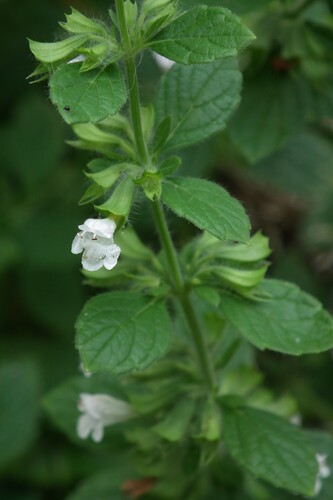
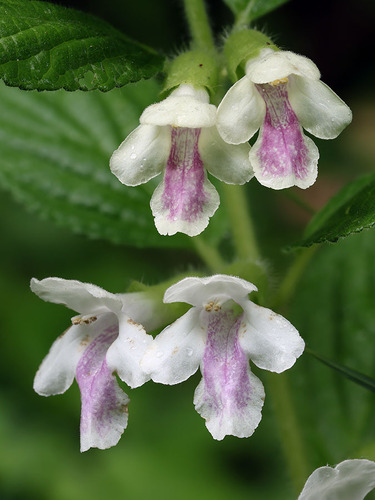
Plectranthus bojeri
(Benth.) Hedge
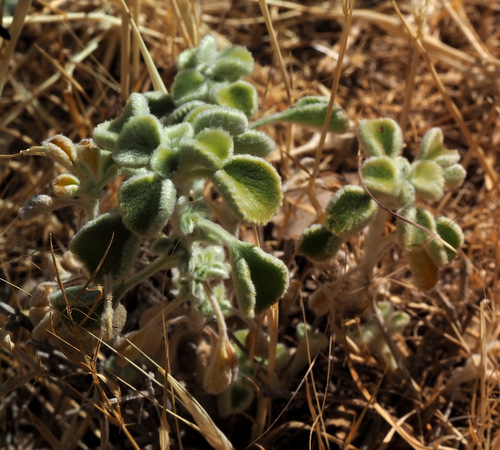
iNaturalist· cc-by
(c) Jacek Pietruszewski, some rights reserved (CC BY)
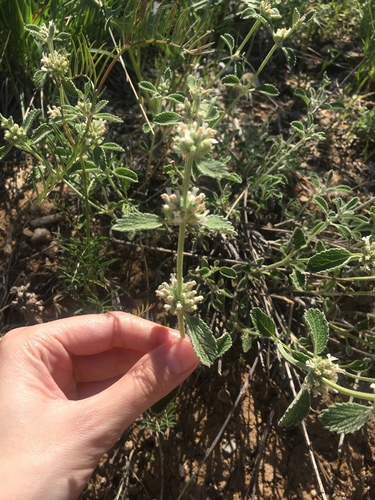
iNaturalist· cc-by
(c) Jacek Pietruszewski, some rights reserved (CC BY)
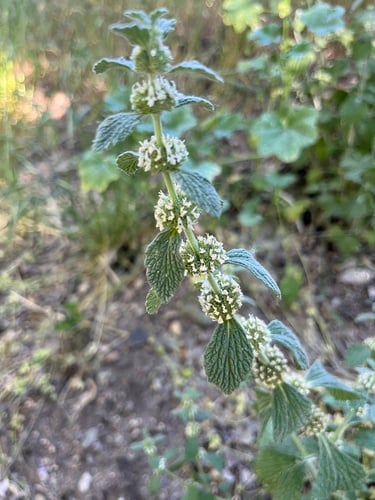
iNaturalist· cc-by-nc
(c) Troos van der Merwe, some rights reserved (CC BY-NC)
Description
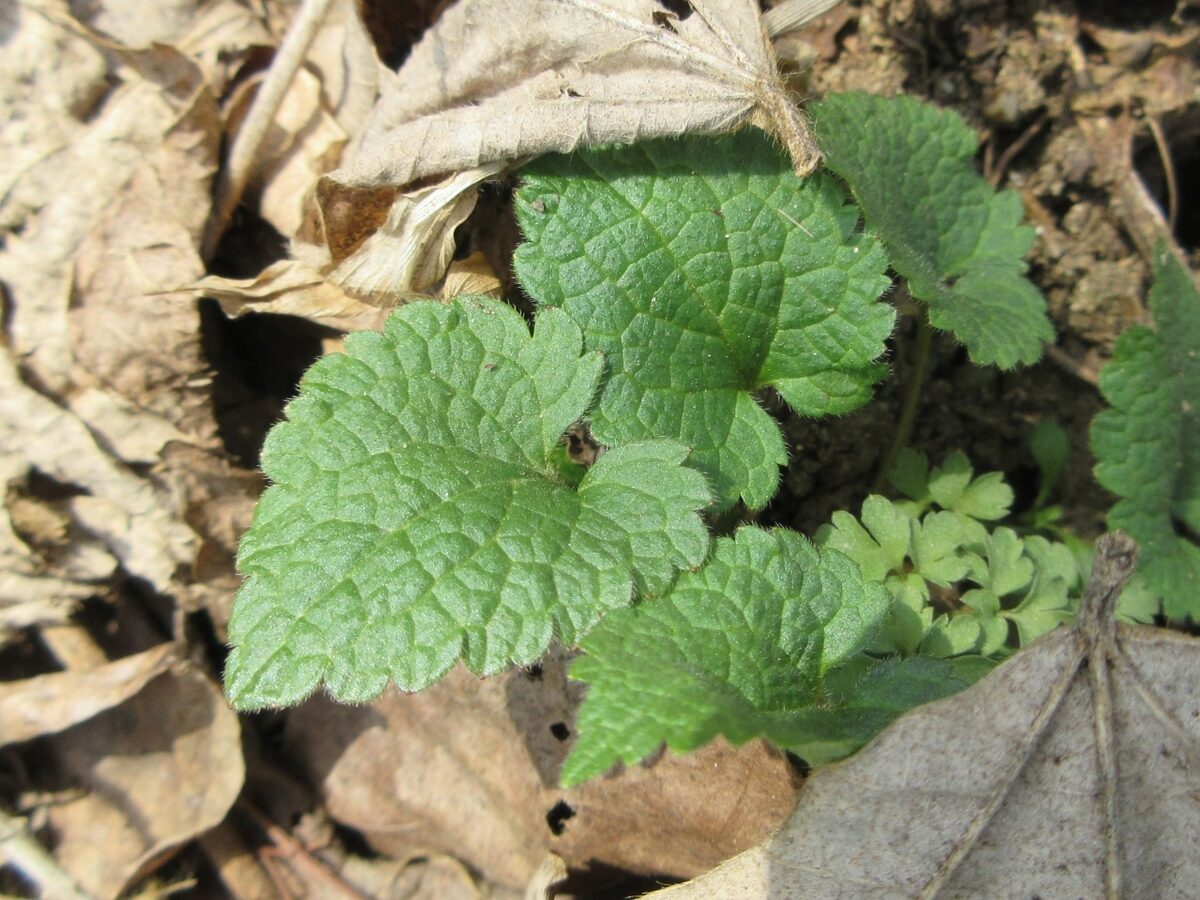
A herb. It can grow each year from seed or last for a few years. It grows 1 m tall. The stems are 4 angled and can form roots at the nodes. They are hairy. The leaves are opposite and oval. They are 12 cm long. The edges have teeth. The flower heads are loose with 10-30 flowers. They are blue to purple.
Edible Uses
The tubers and roots are edible.
Medicinal Uses
The plant is used to treat snakebites. A decoction of the wholeplant, combined with Ocimum gratissimum, is drunk as a treatment for pneumonia. Children are bathed in a decoction of the whole plant in order to reduce fevers. The finely ground leaves are used for the treatment of conjunctivitis. They are applied as a dressing on wounds and abscesses.
Distribution
A tropical plant. It grows between 700 and 2,100 m above sea level.
Where It Grows
Africa, Angola, Burkina Faso, Cameroon, East Africa, Ghana, Kenya, Madagascar, West Africa, Zimbabwe,
Propagation
Seed - sow in well-drained soil, covering lightly with a thin layer of sand, and place in a warm but shaded spot. The seed germinates in about three weeks.
Notes
There are between 90 and 150 Coleus species.
Synonyms
References (1)
- Jardin, C., 1970, List of Foods Used In Africa, FAO Nutrition Information Document Series No 2.p 12 (As Coleus bojeri) (Also as Plectranthus cymosus)