Coprosma brunnea
(Kirk.) Cheesem.
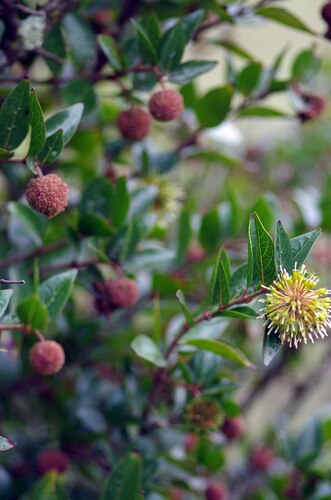
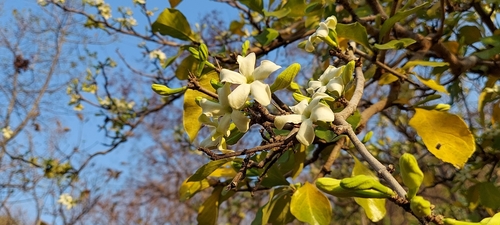
iNaturalist· cc-by-nc
(c) Jono Underwood, some rights reserved (CC BY-NC), uploaded by Jono Underwood
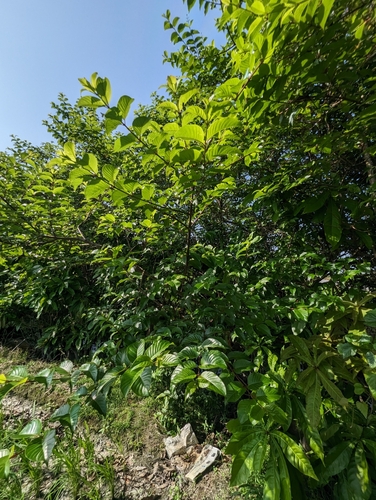
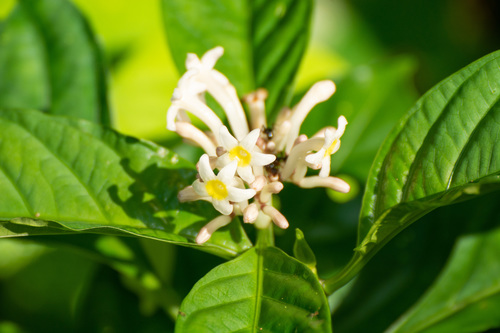
iNaturalist· cc-by-nc
(c) Peter Sweetapple, some rights reserved (CC BY-NC)
iNaturalist· cc-by-nc
(c) Peter Sweetapple, some rights reserved (CC BY-NC)
Summary
Source: WikipediaEvergreen shrub growing to 0.1m tall. Hardy to UK zone 8. Evergreen with flowers appearing September to October. Dioecious and wind-pollinated; not self-fertile, requiring both sexes for seed production. Thrives in light sandy or medium loamy, well-drained soils with mildly acid to neutral pH. Can grow in semi-shade or full sun and prefers moist soil.
Description
Evergreen shrub growing to 0.1m tall. Hardy to UK zone 8. Evergreen with flowers appearing September to October. Dioecious and wind-pollinated; not self-fertile, requiring both sexes for seed production. Thrives in light sandy or medium loamy, well-drained soils with mildly acid to neutral pH. Can grow in semi-shade or full sun and prefers moist soil.
Edible Uses
The fruit is eaten raw and is sweet, though with little flavour. The fruit is white or blue and up to 8mm long by 6mm wide. The roasted seed makes an excellent coffee substitute.
Medicinal Uses
None known.
Distribution
It is a temperate plant.
Where It Grows
New Zealand*,
Cultivation
Plants can be grown by cuttings.
Propagation
Seed is best sown as soon as it is ripe in a greenhouse or cold frame. Stored seed can be sown in spring in a cold frame. Germination is often slow, taking more than 12 months even with fresh seed. Prick seedlings out into individual pots once large enough to handle, and grow on under glass for at least their first winter before planting out in late spring or early summer. Provide some cold protection during the first winter outdoors. Cuttings of mature wood from the current year's growth can be taken in autumn and rooted in a frame.
Other Uses
A yellow dye obtained from the wood does not require a mordant. The plant makes an excellent medium-height ground cover.
Notes
There are about 90 Coprosma species.
References (2)
- Matthews, J., 1987, New Zealand Native Plants for your Garden. Pacific Publishers, p 31 (cross)
- Plants for a Future database, The Field, Penpol, Lostwithiel, Cornwall, PL22 0NG, UK. http://www.scs.leeds.ac.uk/pfaf/