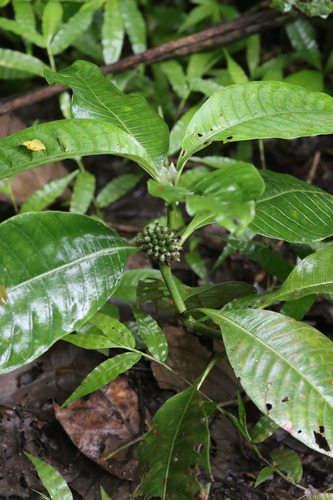
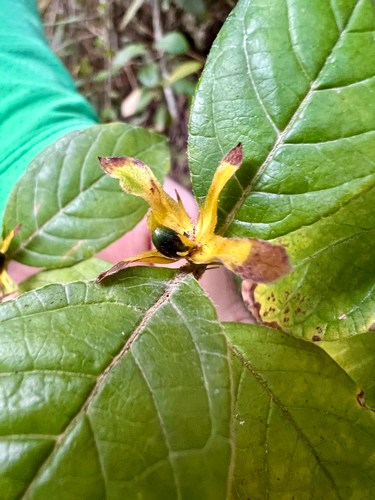
Canthium parviflorum
Roxb.
iNaturalist· cc-by-nc
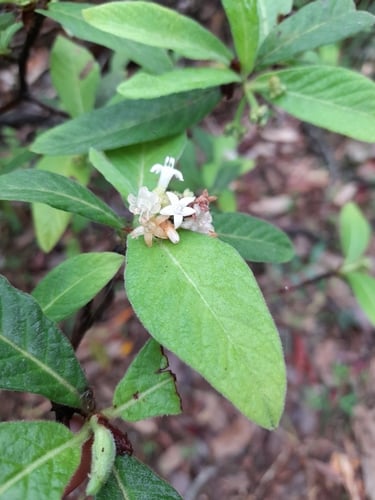
(c) Dhananjay, some rights reserved (CC BY-NC)
iNaturalist· cc-by-nc
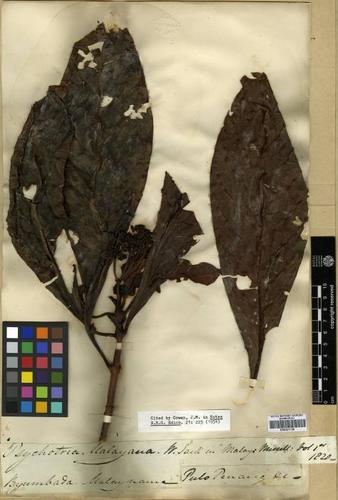
(c) Dhananjay, some rights reserved (CC BY-NC)
iNaturalist· cc-by-nc
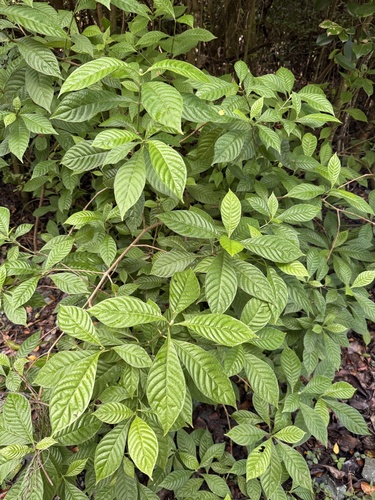
(c) Dhananjay, some rights reserved (CC BY-NC)
Description
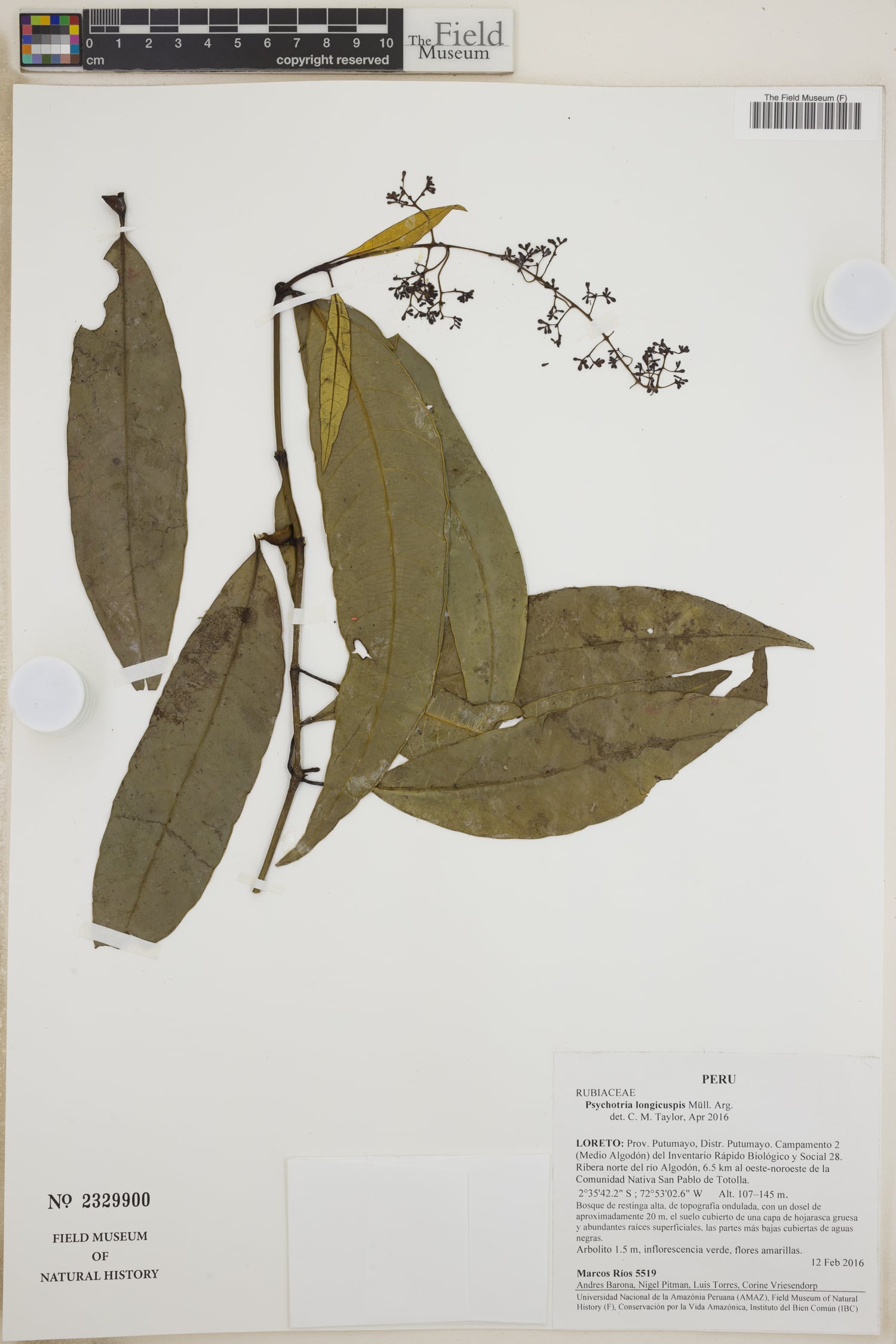
A small tree. It is 4-10 m high. It has long straight spines. The leaves are broadly oval. The flowers are yellow. The fruit are small and yellow.
Edible Uses
The fruit are eaten peeled, as the skin has a sour taste, and are also used in pickles and curries. The young leaves are cooked as a vegetable.
Traditional Uses
The fruit are eaten peeled as the skin has a sour taste. They are also used in pickles and curries. The young leaves are cooked as a vegetable.
This uses section is brief — help expand it
Distribution
A tropical plant. It will grow on most soils. It is best in a wet soil and a pH of 7.
Where It Grows
Asia, Cambodia, India, Indochina, Northeastern India, SE Asia, Sri Lanka,
Cultivation
It can be used as a hedge plant.
Production
It is slow growing.
Notes
There are about 200 Canthium species. Canthium parvifolium Roxb. is a legitimate name and Canthium parviflorum Lam. is a synonoym of Canthium coromandelicum (Burm. f) Alston.
Also Known As
Balusaku, Balusu, Chak kralik, Kaara keerai, Kaarai palam, Kadbar, Kar, Karai, Katbor, Kirma, Kirni, Kodhab, Periyakarai
References (20)
- Ambasta S.P. (Ed.), 2000, The Useful Plants of India. CSIR India. p 102
- Bircher, A. G. & Bircher, W. H., 2000, Encyclopedia of Fruit Trees and Edible Flowering Plants in Egypt and the Subtropics. AUC Press. p 81
- Davis, S.D., Heywood, V.H., & Hamilton, A.C. (eds), 1994, Centres of plant Diversity. WWF. Vol 1 or 2. p 117
- Dobriyal, M. J. R. & Dobriyal, R., 2014, Non Wood Forest Produce an Option for Ethnic Food and Nutritional Security in India. Int. J. of Usuf. Mngt. 15(1):17-37
- Encycl. 1:602. 1785 (As Lam.)
Show all 20 references Hide references
- Harisha, R. P. & Padmavathy, S., 2013, Knowledge and Use of Wild Edible Plants in Two Communities in Malai Madeshwara Hills, Southern India. International Journal of Botany 9(2): 64-72.
- Kannan, M., et al, 2015, Ethnobotanical survey on wild edible plants of Kalrayan Hills, Salem District, Tamil Nadu, India. Global J. Res. Med Plants & Indigen. med. 4(12): 236-246
- Karthi, Sathya, & Salome, 2014, Uncultivated Edible Greens from Small Millet Farms Tamil Nadu India. IDRC
- Kiran, K. C., et al, 2019, Diversity and Seasonal Availability of Potential Wild Edible Plants from Vidarbha Region of Maharashtra State, India. Int.J.Curr.Microbiol.App.Sci (2019) 8(2): 1434-1446
- Phon, P., 2000, Plants used in Cambodia. © Pauline Dy Phon, Phnom Penh, Cambodia. p 130
- Pradhan, R., et al, 2020, Potential Wild Edible Plants and its Significance in Livelihood of Indigenous People of Male Mahadeshwara Hills, Karnataka. Economic Affairs Vol. 64, No. 4 pp. 01-14
- Rajasab, A. H. et al, 2004, Documentation of folk knowledge on edible wild plants of North Karnataka. Indian Journal of Traditional Knowledge. Vol 3(4) pp 419-429
- Rajkalkshmi, P. et al, 2001, Total carotenoid and beta-carotene contents of forest green leafy vegetables consumed by tribals of south India. Plant Foods for Human Nutrition 56:225-238
- Rao, M. L. S., et al, 2014, Indigenous Plant Foods which are commonly consumed by the tribal communities in Dumbriguda Area of Visakhapatnam District, Andhra Pradesh, India. Biolife. Vol 2, Issue 3
- Reddy, K. N. et al, 2007, Traditional knowledge on wild food plants in Andhra Pradesh. Indian Journal of Traditional Knowledge. Vol. 6(1): 223-229
- Sarvalingam, A., et al, 2014, Wild edible plant resources used by the Irulas of the Maruthamalai Hills, Southern Western Ghats, Coimbatore, Tamil Nadu. Indian Journal of Natural Products and Resources 5(2):198-201
- Singh, H.B., Arora R.K.,1978, Wild edible Plants of India. Indian Council of Agricultural Research, New Delhi. p18, 53
- Tamil herbs, 2007, Edible Plants of the Tropical Dry Evergreen Forest.
- WATT,
- www.theplantlist.org