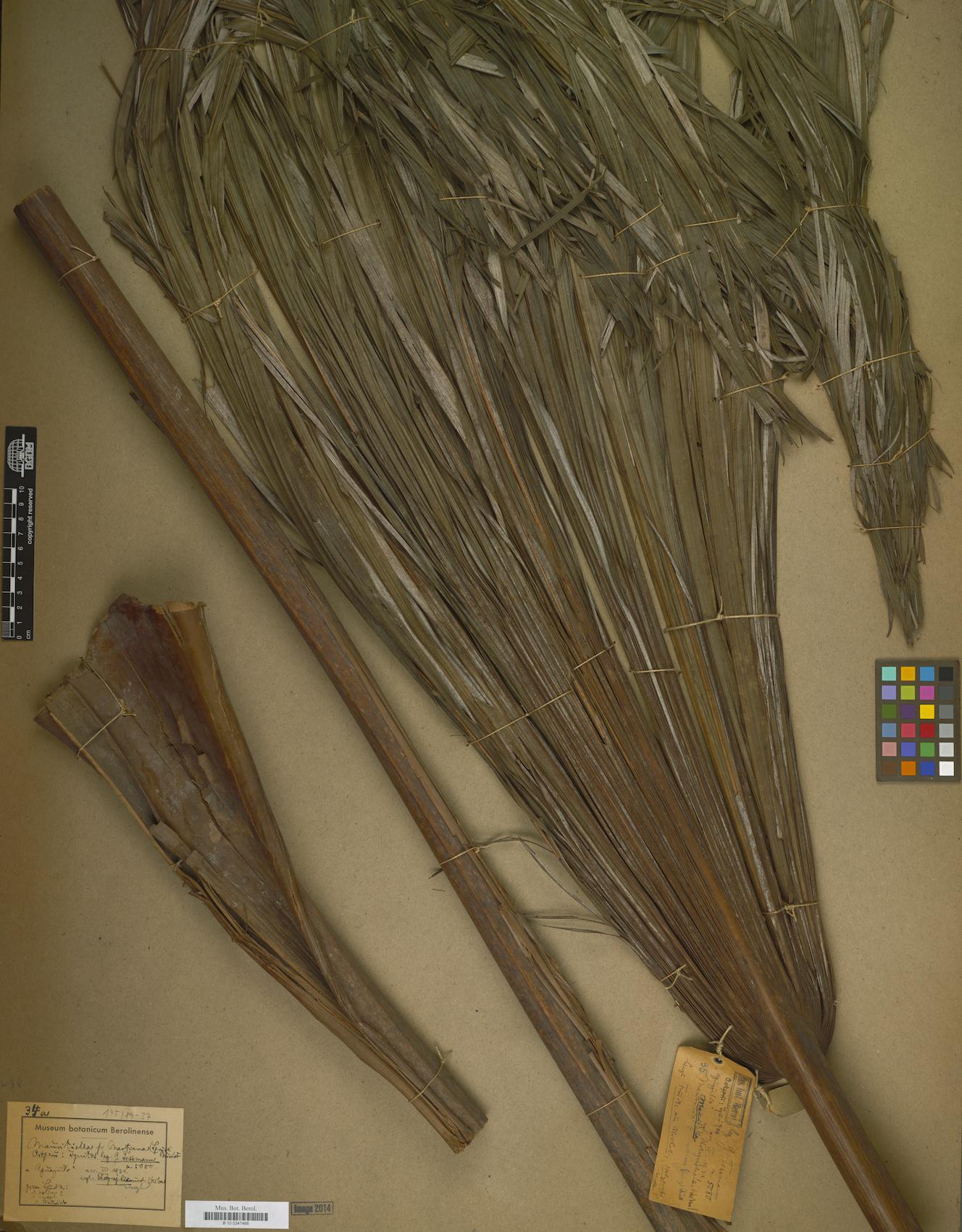
Geonoma cuneata
H. Wendl. ex Spruce
iNaturalist· cc-by-nc
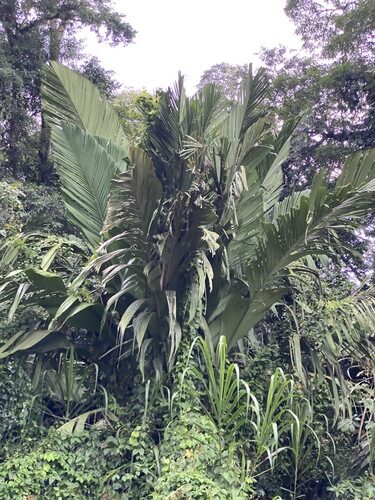
(c) Carlos G Velazco-Macias, some rights reserved (CC BY-NC)
iNaturalist· cc-by-nc
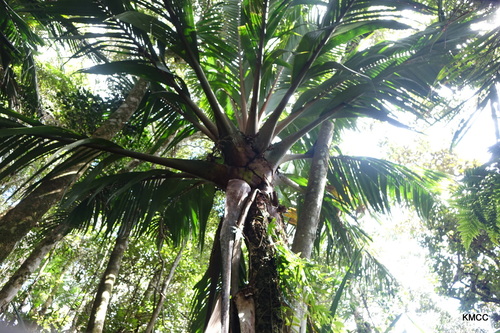
(c) Carlos G Velazco-Macias, some rights reserved (CC BY-NC)
iNaturalist· cc-by-nc
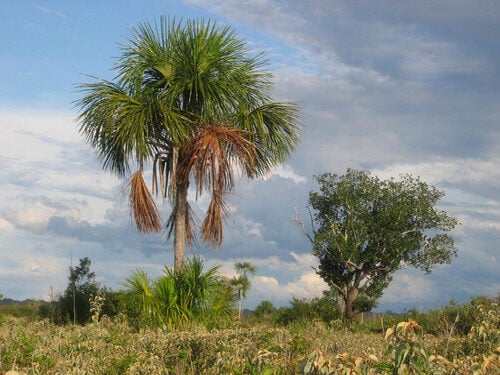
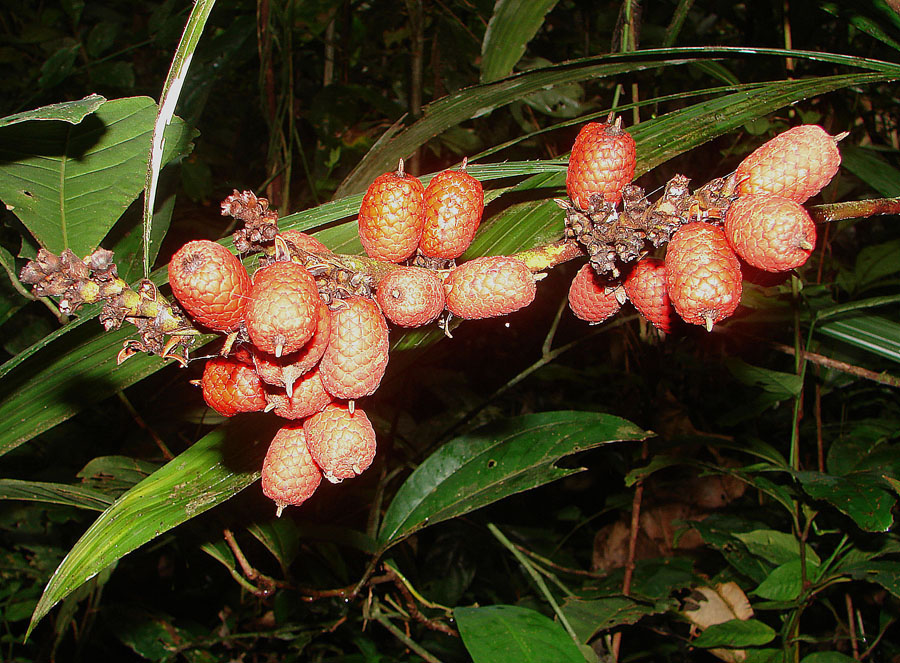
(c) Carlos G Velazco-Macias, some rights reserved (CC BY-NC)
Description
A palm. It has a short stem that can be 1.5 m tall. This is 3 cm across. The leaf stalks are 14-60 cm long. The leaves are18-76 cm long and can have leaflets divided like fingers on a hand.
Edible Uses
The fruit is edible.
Medicinal Uses
The plant is said to be magic, and is used to treat stomach pains. This report does not make it clear if there are two distinct statements here, or if the plant is believed to cure stomach pains because it is magic.
Distribution
It is a tropical plant. It grows in wet forests from sea level to 1,200 m above sea level.
Where It Grows
Central America, Colombia, Costa Rica, Ecuador, South America,
Cultivation
Requires a shady position. Grows best in a moist but well-drained soil.
Other Uses
The leaves are used for thatch.
Synonyms
Also Known As
Yo ya chi
References (5)
- Barfod, A. S. & Kvist, L. P., 1996, Comparative Ethnobotanical Studies of the Amerindian Groups in Coastal Ecuador. The Danish Academy of Sciences and Letters. p 77
- Grayum, M. H., 2000, MBG: Research: Manual de Plantas de Costa Rica: Draft Treatments p 5
- Marcia, M. J., et al, 2011, Palm Uses in Northwestern South America: A Quantitative Review. Bot. Rev. (2011) 77:462-570
- Roa, J. A. G. & Boada, D. S. G., 2018, Fundación para el Fortalecimiento de la Fruticultura y Plantas Alimenticias no Convencionales en Colombia.
- World Checklist of Useful Plant Species 2020. Royal Botanic Gardens, Kew