Smyrnium cordifolium
Boiss.
iNaturalist· cc-by-nc
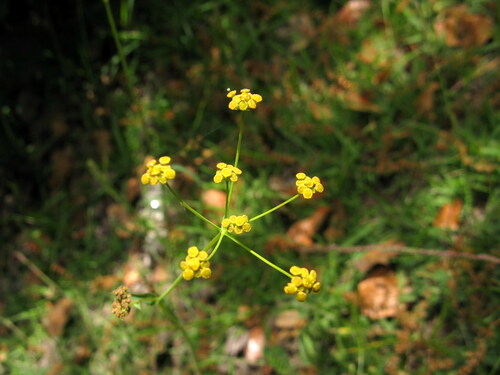
(c) Iman Amini, some rights reserved (CC BY-NC), uploaded by Iman Amini
iNaturalist· cc-by-nc
(c) Arya Aras, some rights reserved (CC BY-NC), uploaded by Arya Aras
Description
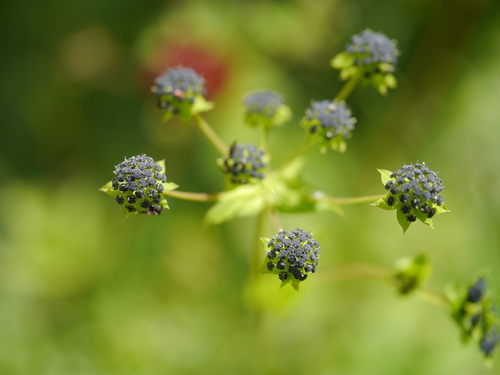
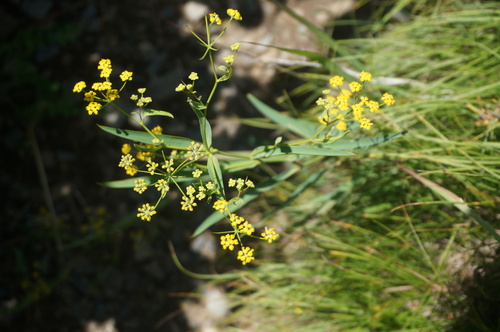
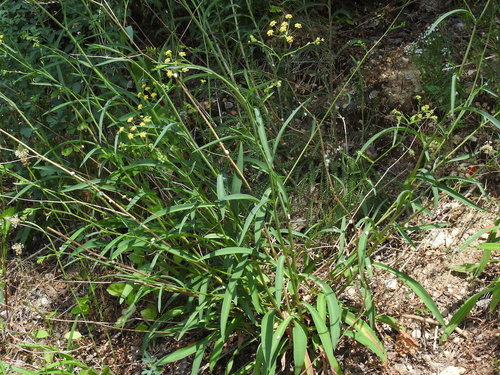
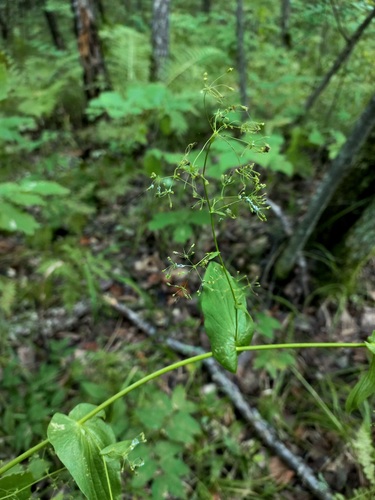
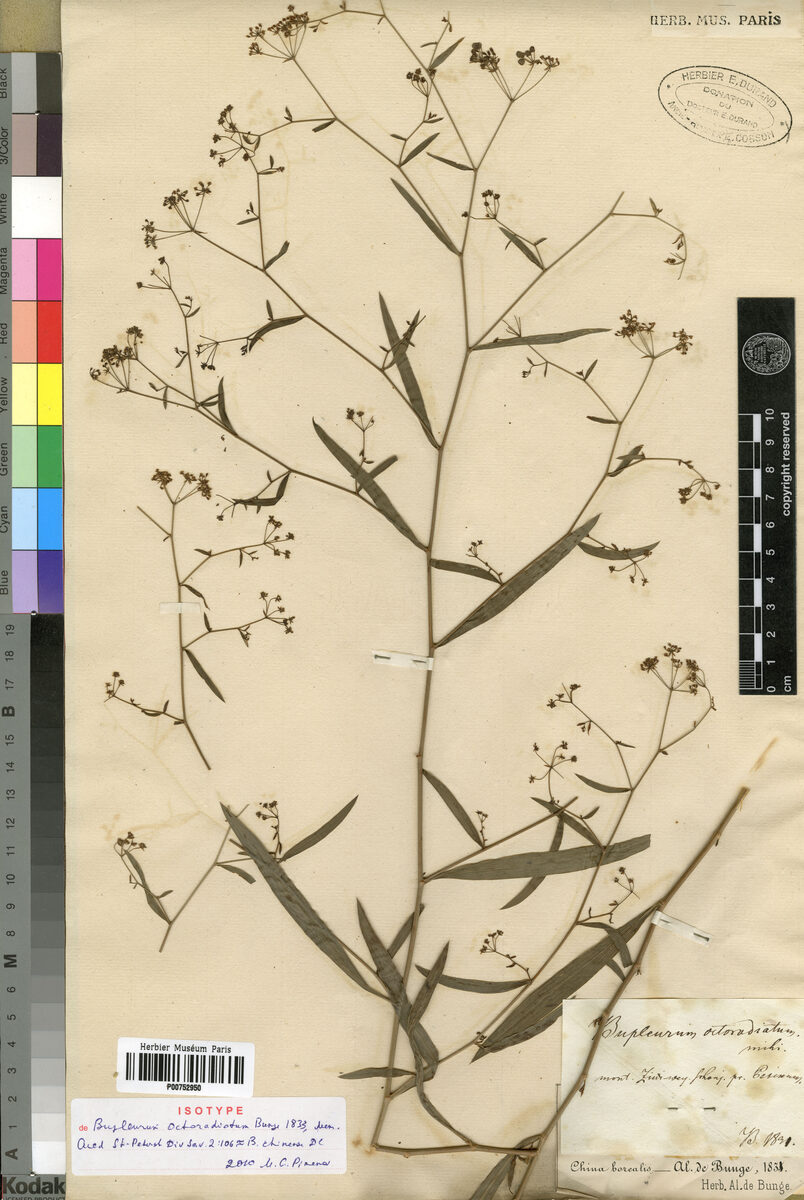
A herb. It grows 50-175 cm tall. The leaves near the base have 3 leaflets or 3 lobes. There are teeth along the edge. The upper leaves are are opposite and oval and heart shaped at the base. They can be 8 cm long. The flower heads have short stalks with 13-18 rays.
Edible Uses
The stems are traditionally eaten raw after the bark is removed. The leaves and herb are also edible portions.
Traditional Uses
The stems have the bark removed and are then eaten raw.
This uses section is brief — help expand it
Medicinal Uses
Traditionally used for sleep disorders and kidney stones.
Distribution
It is a temperate plant. It grows between 1,400-2,000 m above sea level.
Where It Grows
Iran, Iraq, Middle East, Turkey, Türkiye,
Notes
An unresolved name in The Plant List. It probably has medicinal benefits for sleep disorders and kidney stones.
Also Known As
Dori, Gnor, Qallandor
References (2)
- Galalaey, A. M. K., et al, 2021, Ethnobotanical study of some wild edible plants in Hujran Basin, Kurdistan Region of Iraq. ZANCO Journal of Pure and Applied Sciences. Salahaddin University-Erbil p 25
- Pieroni, A., et al, 2017, The spring has arrived: traditional wild vegetables gathered by Yarsanis (Ahl-e Haqq) and Sunni Muslims in Western Hawraman, SE Kurdistan (Iraq). Acta Soc Bot Pol 86(1):3519