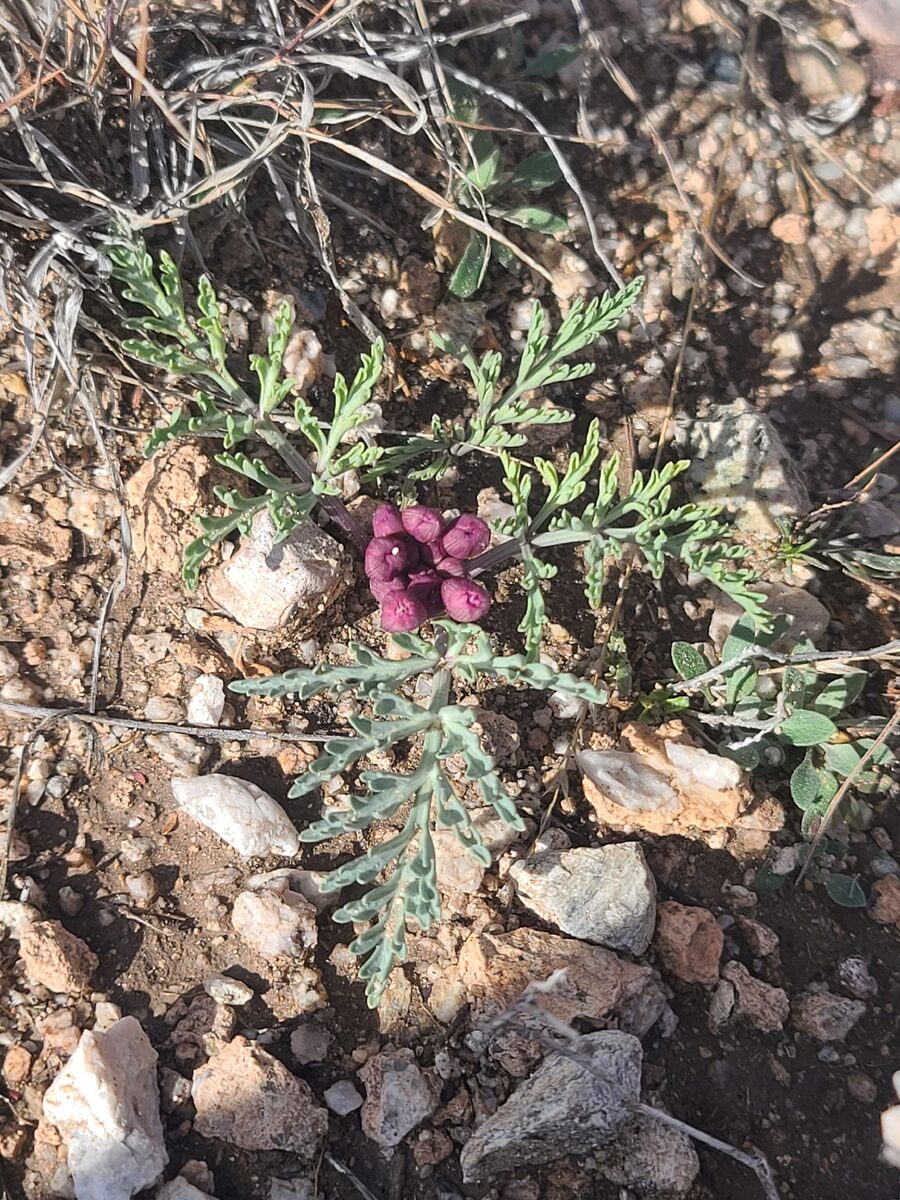
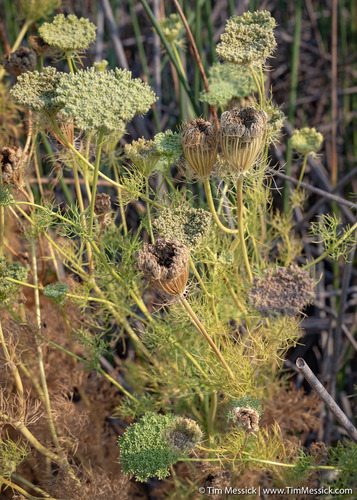
Lagoecia cuminoides
L.
Wild cumin
iNaturalist· cc-by-nc
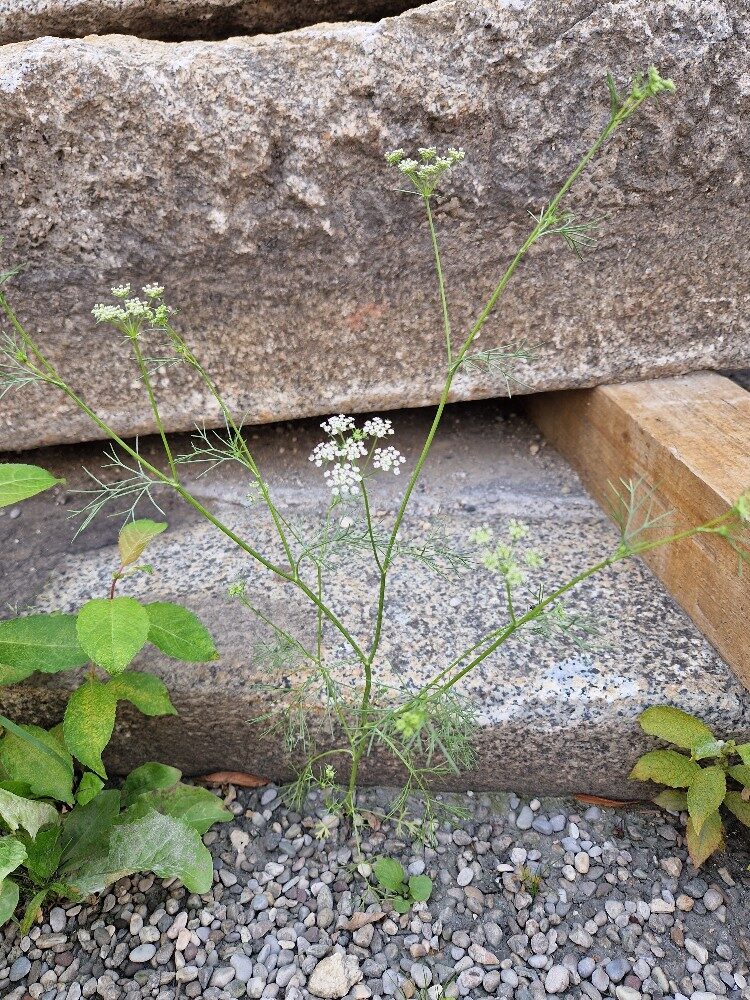
(c) Alenka Mihoric, some rights reserved (CC BY-NC), uploaded by Alenka Mihoric
iNaturalist· cc-by-nc
(c) Alenka Mihoric, some rights reserved (CC BY-NC), uploaded by Alenka Mihoric
iNaturalist· cc-by-nc
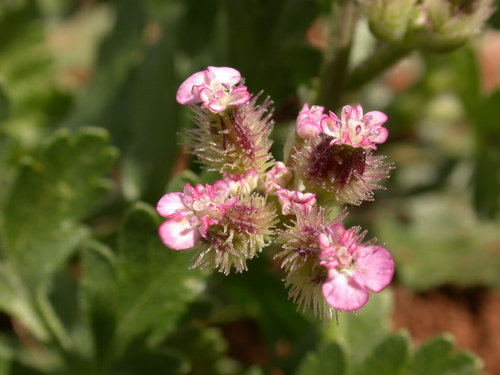
(c) fotis-samaritakis, some rights reserved (CC BY-NC), uploaded by fotis-samaritakis
Summary
Source: WikipediaAn annual herb reaching 0.3 m tall with hermaphroditic flowers. Grows in light, medium, or heavy soils with mildly acidic to mildly alkaline pH. Tolerates semi-shade or full sun with preference for moist soil.
Description
An annual herb reaching 0.3 m tall with hermaphroditic flowers. Grows in light, medium, or heavy soils with mildly acidic to mildly alkaline pH. Tolerates semi-shade or full sun with preference for moist soil.
Edible Uses
The seed can be used as a substitute for cumin. It is hot and aromatic, serving as an important ingredient in curries and also as a flavouring in biscuits, cakes, and bread, where it also aids digestion. Seed should be harvested when fully ripe, then dried and stored in airtight jars. An essential oil extracted from the seed is used as a food flavouring.
Traditional Uses
The seeds are a substitute for cumin in cooking. They are also used in cheese. They are also used in curries, and biscuits, cakes and bread. The young leaves are boiled and then fried in oil with onion and egg.
Medicinal Uses
No medicinal uses are known for this plant.
Distribution
It is a Mediterranean climate plant.
Where It Grows
Asia, Balkans, Bulgaria, Cyprus, Europe, Iraq, Israel, Mediterranean, Middle East, Portugal, Turkey, Türkiye,
Cultivation
Not known
Propagation
Propagate by seed.
Other Uses
No other uses are known for this plant.
Also Known As
Giyapshila, Karaca ot, Peynir otu, Peynircicegi, Puluskun
References (7)
- Dogan, A., et al, 2014, A review of edible plants on the Turkish Apiaceae species. J. Fac. Pharm. Istanbul, 44(2) pp 251-262
- Ertug, F., 2004, Wild Edible Plants of the Bodrum Area. (Mugla, Turkey). Turk. J. Bot. 28 (2004): 161-174
- Ertug, F, Yenen Bitkiler. Resimli Türkiye Florası -I- Flora of Turkey - Ethnobotany supplement
- Galalaey, A. M. K., et al, 2021, Ethnobotanical study of some wild edible plants in Hujran Bason, Kurdistan Region of Iraq. ZANCO Journal of Pure and Applied Sciences. Salahaddin University-Erbil p 25
- http://cypruswildflowers.com
Show all 7 references Hide references
- Plants For a Future.
- World Checklist of Useful Plant Species 2020. Royal Botanic Gardens, Kew