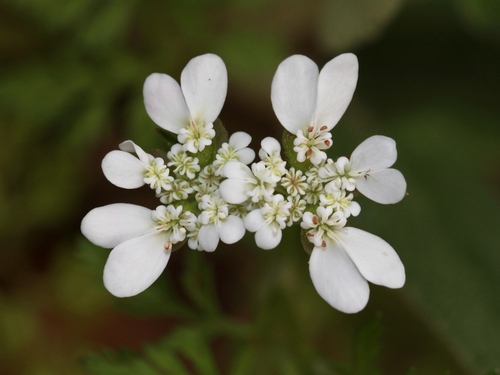
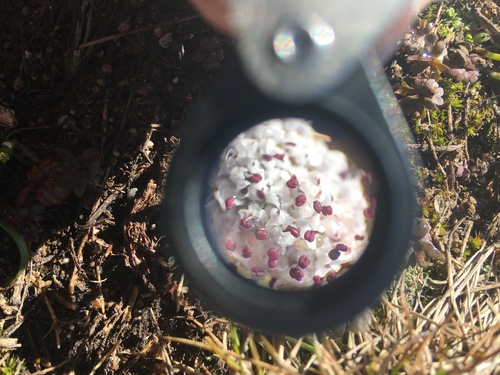
Laserpitium latifolium
Linn.
Lasewort, White gentian
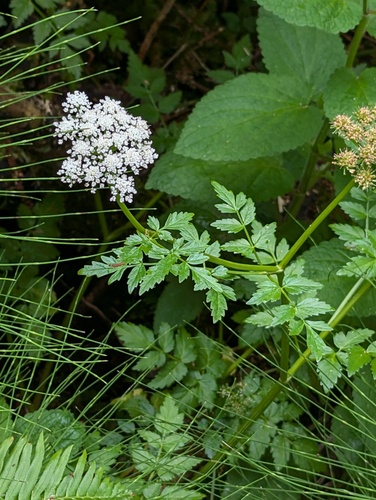
iNaturalist· cc-by-nc
(c) rafal98, some rights reserved (CC BY-NC)
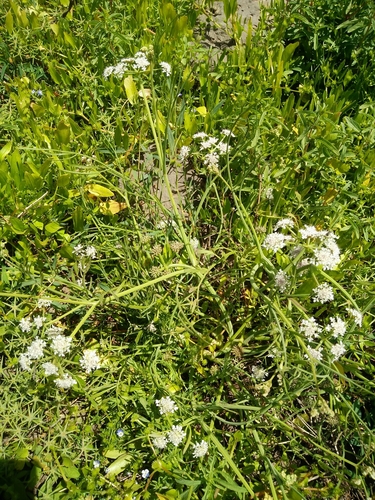
iNaturalist· cc-by-nc
(c) Alenka Mihoric, some rights reserved (CC BY-NC)
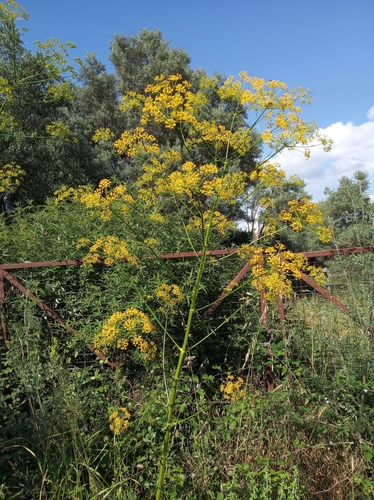
iNaturalist· cc-by-nc
(c) Alenka Mihoric, some rights reserved (CC BY-NC)
Summary
Source: WikipediaLaserpitium latifolium, common name broad-leaved sermountain, is an herbaceous perennial plant in the genus Laserpitium of the family Apiaceae.
Description
A perennial herb growing to 1.5 m, hardy to the UK with hermaphroditic flowers pollinated by insects. Flowering occurs June to August with seed ripening July to September. The self-fertile plant adapts to light sandy, medium loamy, and heavy clay soils with mildly acidic to basic pH and tolerates semi-shaded or full-sun conditions with moist soil preference.
Edible Uses
The root is used as a flavouring — the Romans used it with cumin to season preserved artichokes. A decoction of the seeds is used in beer.
Traditional Uses
The root is used with cumin in seasoning preserved artichoke. The seeds have been processed and used in beer.
This uses section is brief — help expand it
Medicinal Uses
Stomachic and tonic.
Distribution
It is a temperate plant.
Where It Grows
Europe, Italy, Luxembourg, Mediterranean, Slovenia,
Cultivation
An easily satisfied plant, it succeeds in ordinary garden soil.
Propagation
Sow seed in spring in a cold frame. Prick seedlings out into individual pots once large enough to handle and grow on in the greenhouse through their first winter. Plant out into permanent positions in late spring or early summer, after the last expected frosts. Can also be propagated by division.
Other Uses
None known.
Also Known As
širokolistni jelenovec
References (4)
- Facciola, S., 1998, Cornucopia 2: a Source Book of Edible Plants. Kampong Publications, 19
- Hedrick, U.P., 1919, (Ed.), Sturtevant's edible plants of the world. p 371
- http://www.botanic-gardens-ljubljana.com/en/plants
- Sp. pl. 1:248. 1753