Rhamnus globosa
Bunge
Lokao
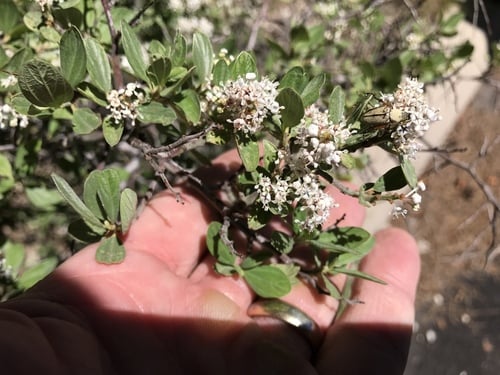
iNaturalist· cc-by-nc
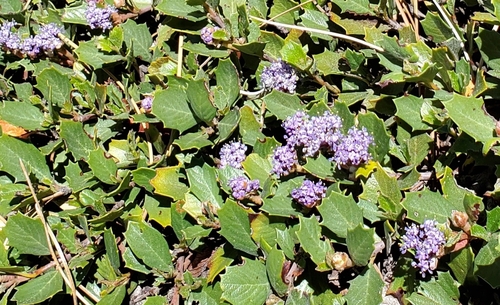
(c) Chuangzao, some rights reserved (CC BY-NC), uploaded by Chuangzao
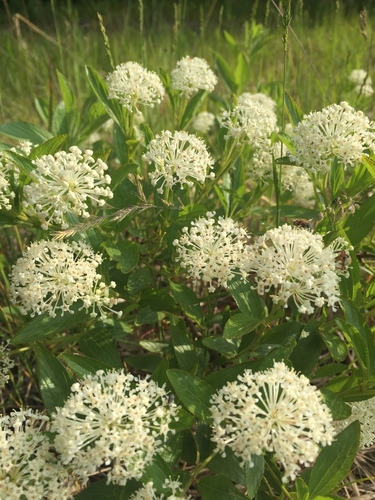
iNaturalist· cc-by-nc
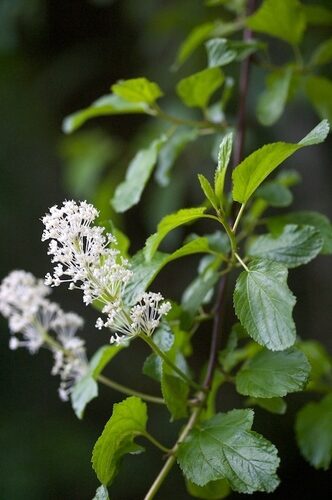
(c) Chuangzao, some rights reserved (CC BY-NC), uploaded by Chuangzao
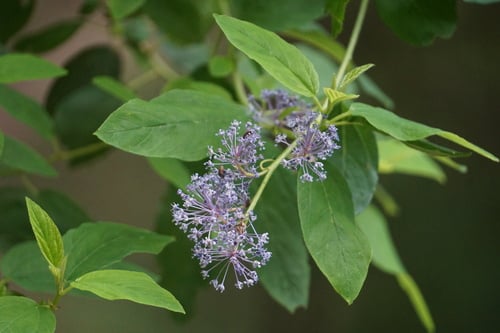
iNaturalist· cc-by-nc-nd
(c) 利刃, some rights reserved (CC BY-NC-ND), uploaded by 利刃
Summary
Source: WikipediaRhamnus globosa, the lokao, is a species of plant in the family Rhamnaceae.
Description
A shrub or small tree. It grows 2-4 m tall. The branches are opposite. They are grey brown and end in a spine. Young branches are hairy. The leaves are opposite and can be on short shoots. The leaves are pale green underneath. They are almost round and 1-6 cm long by 1-4 cm wide. The flowers have both sexes and are in groups of up to 20 on the ends of branches. The fruit is black when ripe. It is almost round and 4-6 mm across.
Edible Uses
A lubricating oil can be extracted from the seeds.
Medicinal Uses
None known
Known Hazards
Although no specific mention of toxicity has been found for this species, there is the suggestion that some members of this genus could be mildly poisonous.
Distribution
It is a temperate plant. It grows in the understorey in forests below 1,600 m above sea level.
Where It Grows
Asia, China*,
Cultivation
We have very little information on this species and do not know if it will be hardy in Britain, though judging by its native range it should succeed outdoors in many parts of the country. It is closely related to, and possibly no more than part of, R. dahuricus. The following notes are based on the general needs of the genus. Succeeds in any reasonably good soil. The species in this genus are notably resistant to honey fungus.
Propagation
Seed is best sown in autumn in a cold frame. Stored seed requires 1–2 months of cold stratification at around 5°C and should be sown as early in the year as possible in a cold frame or outdoor seedbed. Prick seedlings into individual pots when large enough to handle and grow on in a greenhouse or cold frame through their first winter. Plant out in late spring or early summer the following year. Cuttings of half-ripe wood can be taken in July/August in a frame, mature wood cuttings from the current year's growth in autumn in a frame, and layering in early spring.
Other Uses
A green dye is obtained from the leaves and from the bark. The stem-bark, fruit, and roots can all be used to produce a green dyestuff. A lubricating oil can be extracted from the seeds.
Production
In China it flowers April to May and fruits June to October.
Synonyms
Also Known As
Yuan ye shu li
References (4)
- Encyclopedia of Life.
- Flora of China.
- Wiersema, J. H. & Leon, B., 2013, World Economic Plants. A Standard Reference CRC Press. 2nd Ed. p 582
- World Checklist of Useful Plant Species 2020. Royal Botanic Gardens, Kew