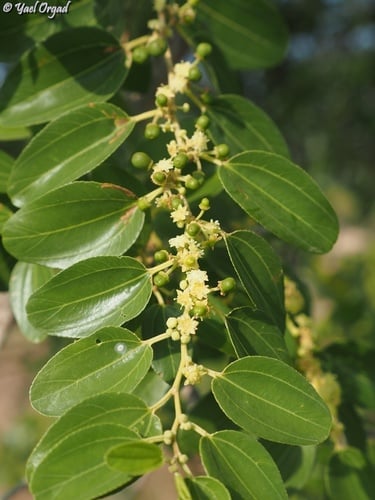
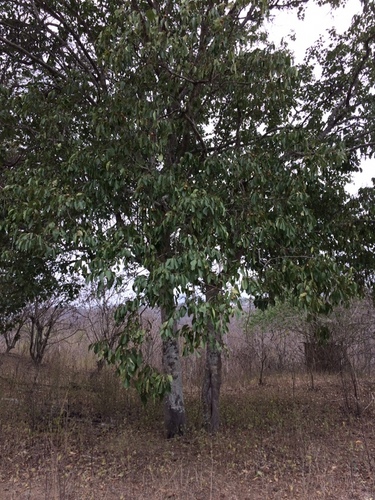
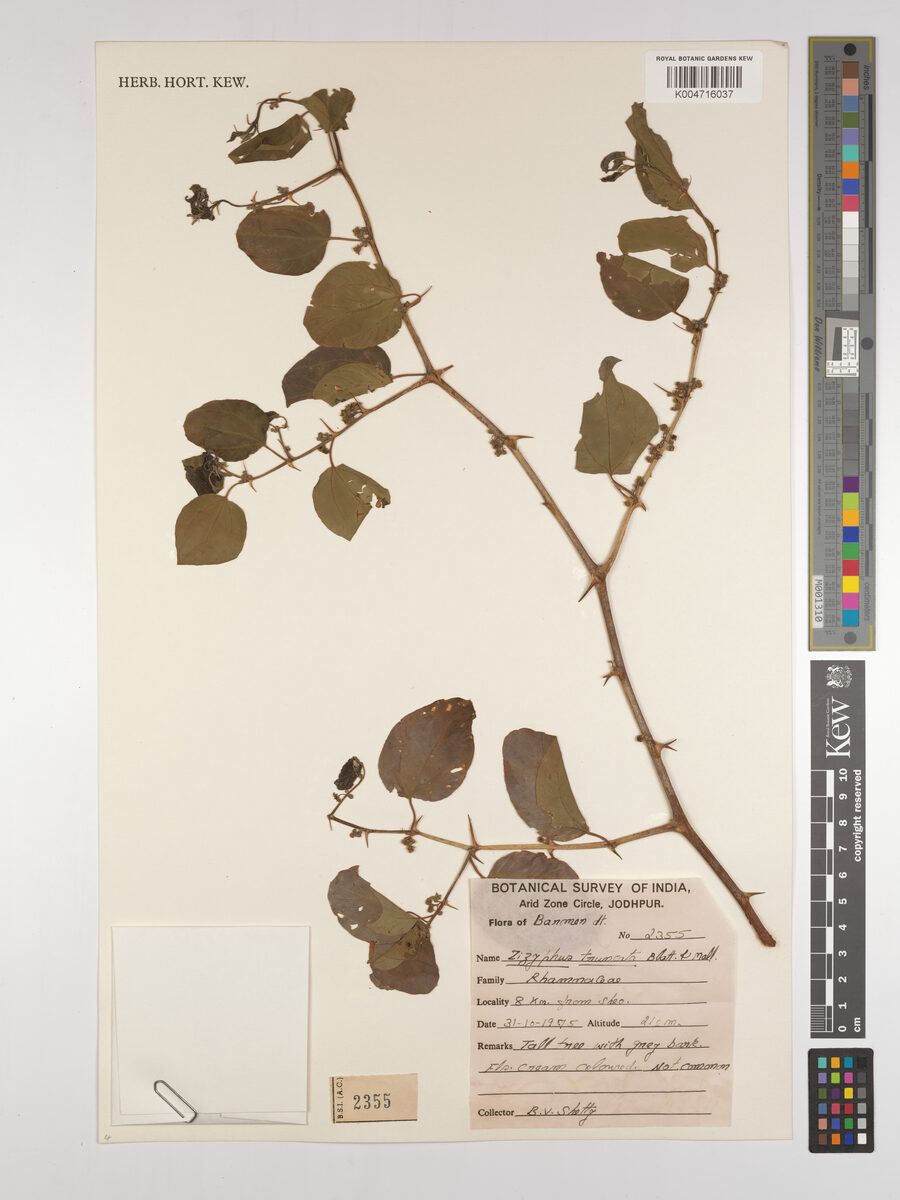
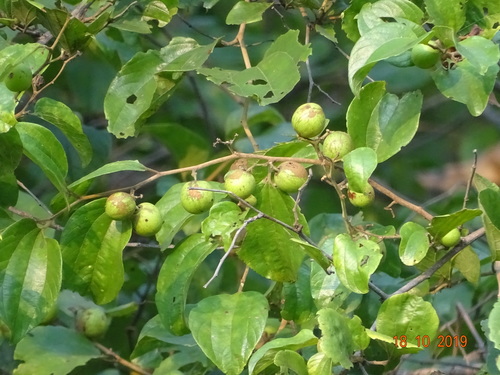
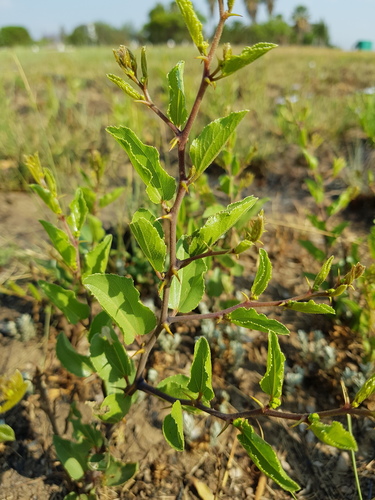
Rhamnus japonica
Maxim.
Japanese Buckthorn
iNaturalist· cc-by-nc
(c) Jeff Skrentny, some rights reserved (CC BY-NC), uploaded by Jeff Skrentny
iNaturalist· cc-by-nc-sa
(c) Derek Ziomber, some rights reserved (CC BY-NC-SA)
iNaturalist· cc-by-nc-sa
(c) Derek Ziomber, some rights reserved (CC BY-NC-SA)
Summary
Source: WikipediaRhamnus japonica, the Japanese buckthorn, is a species within the genus Rhamnus. It is described as a perennial tree. It was also introduced to the United States at an unknown time. In North America, it is known to live in Illinois. Rhamnus is the ancient Greek name for buckthorn. Japonica means Japanese.
Description
Deciduous shrub growing to 3 m tall. Hardy to UK zone 4. Flowers in May. Hermaphrodite species pollinated by insects. Tolerates light sandy, medium loamy, and heavy clay soils with mildly acid to basic pH. Grows in semi-shade or full sun and prefers moist soil.
Edible Uses
The leaves are edible, though no further preparation details are given. Some caution is advised due to the plant's toxicity.
Medicinal Uses
The plant is used as a febrifuge, laxative, and for skin conditions. The fruit and bark are both emetic and laxative.
Known Hazards
Although no specific mention of toxicity has been found for this species, there is the suggestion that some members of this genus could be mildly poisonous.
Distribution
It is a temperate plant.
Where It Grows
Asia, China, Japan,
Cultivation
Succeeds in any reasonably good soil. A polymorphic species. The species in this genus are notably resistant to honey fungus.
Propagation
Seed is best sown in autumn in a cold frame. Stored seed requires 1–2 months of cold stratification at around 5°C and should be sown as early in the year as possible in a cold frame or outdoor seedbed. Prick seedlings into individual pots when large enough to handle and grow on in a greenhouse or cold frame through their first winter. Plant out in late spring or early summer the following year. Cuttings of half-ripe wood can be taken in July/August in a frame, mature wood cuttings from the current year's growth in autumn in a frame, and layering in early spring.
Other Uses
A green dye is obtained from the branches. The wood is close-grained and used for furniture.
Notes
There are over 100 Rhamnus species.
Synonyms
References (2)
- Mem. Acad. Imp. Sci. Saint Petersbourg, Ser. 7, 10:11. 1866
- Plants for a Future database, The Field, Penpol, Lostwithiel, Cornwall, PL22 0NG, UK. http://www.scs.leeds.ac.uk/pfaf/