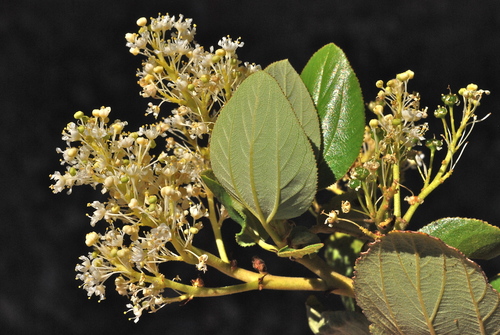
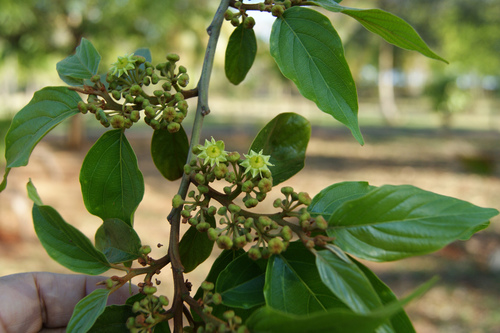
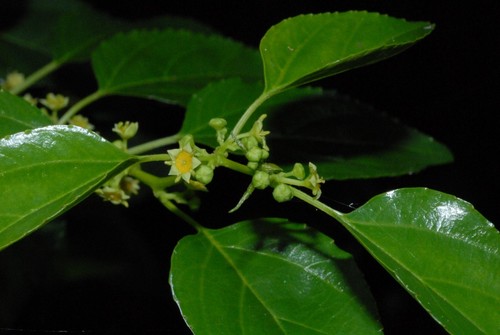
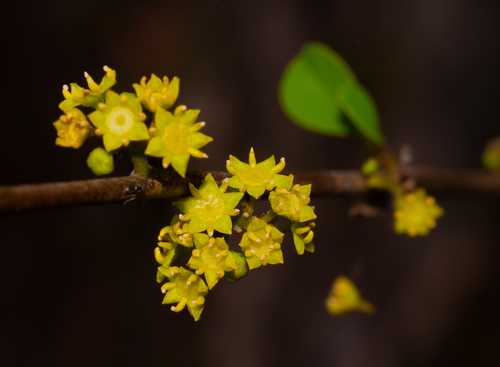
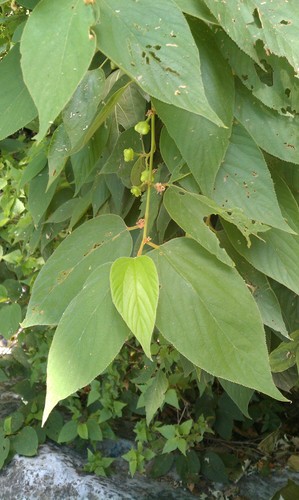
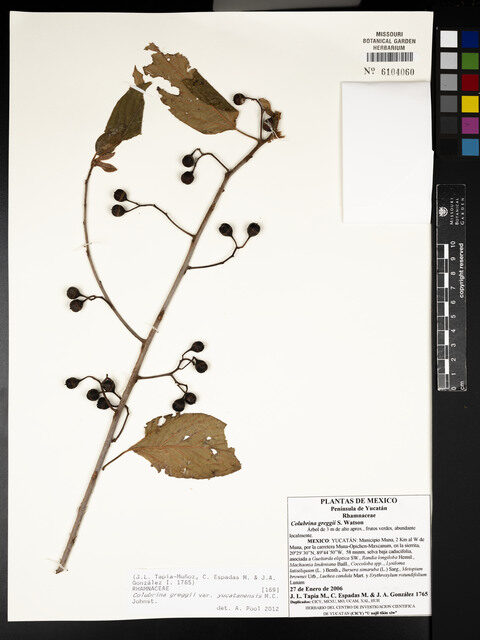
Rhamnus nepalensis - (Wall.)Lawson.
(Wall.)Lawson.
gbif· cc0
Conveyor Belt
gbif· cc0
Conveyor Belt
gbif· cc0
Conveyor Belt
Description
Rhamnus nepalensis is a deciduous Shrub growing to 1.5 m (5ft) by 2 m (6ft). The species is hermaphrodite (has both male and female organs). Suitable for: light (sandy), medium (loamy) and heavy (clay) soils. Suitable pH: mildly acid, neutral and basic (mildly alkaline) soils. It can grow in semi-shade (light woodland) or no shade. It prefers moist soil.
Edible Uses
Fruit. Some caution is advised, see the notes above on toxicity.
Medicinal Uses
Miscellany. The fruits, when pounded and macerated in vinegar, have been used in the treatment of herpes.
Known Hazards
Although no specific mention of toxicity has been found for this species, there is the suggestion that some members of this genus could be mildly poisonous.
Distribution
E. Asia - China to the Himalayas.
Where It Grows
Coming Soon
Cultivation
We have very little information on this species and do not know if it will be hardy in Britain, though judging by its native range it should succeed outdoors at least in the milder areas of this country. The following notes are based on the general needs of the genus. Succeeds in any reasonably good soil. The species in this genus are notably resistant to honey fungus.
Propagation
Seed - best sown in the autumn in a cold frame. Stored seed will require 1 - 2 months cold stratification at about 5° and should be sown as early in the year as possible in a cold frame or outdoor seedbed. Prick out the seedlings into individual pots when they are large enough to handle, and grow them on in the greenhouse or cold frame for their first winter. Plant them out in late spring or early summer of the following year. Cuttings of half-ripe wood, July/August in a frame. Cuttings of mature wood of the current year's growth, autumn in a frame. Layering in early spring.
Other Uses
Miscellany. None known