Rhamnus humboldtiana
Willd. ex Schult.
Tullidor
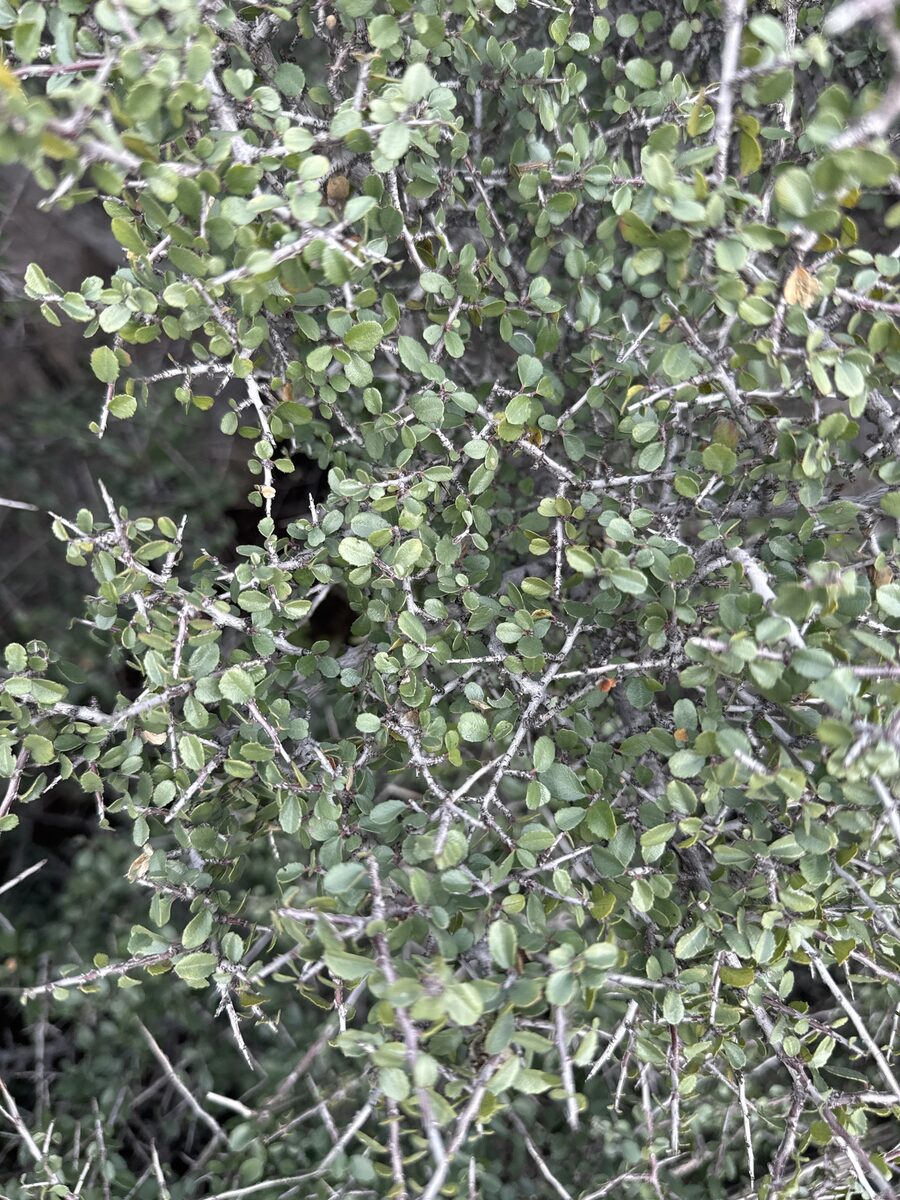
iNaturalist· cc-by-nc
(c) guvatern, some rights reserved (CC BY-NC)
iNaturalist· cc-by-nc
(c) guvatern, some rights reserved (CC BY-NC)
iNaturalist· cc-by-nc
(c) Alida Madero Farias, some rights reserved (CC BY-NC)
Description
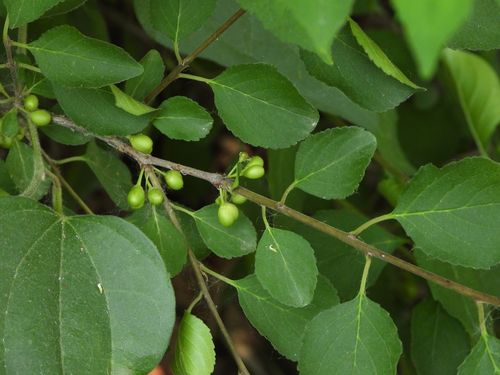
A tropical shrub or small tree with leaves marked by black glands and streaks.
This description is brief — help expand it
Edible Uses
The fruit pulp is eaten raw with seeds spat out, though occasionally eaten especially by children.
Traditional Uses
CAUTION: The fruit causes trembling. This is due to quinones and other chemicals that are toxic. The fruit pulp is eaten raw and the seeds spat out. Caution: The fruit can make you giddy.
Known Hazards
The fruit contains quinones and other toxic chemicals that cause trembling and giddiness.
Distribution
It is a tropical plant.
Where It Grows
Central America, Mexico, North America, USA,
Other Information
The fruit are occasionally eaten. It is eaten especially by children.
Synonyms
Also Known As
Cacachila, Capolincillo, Coyotillo, Tullidora
References (10)
- Abh. Math.-Phys. Cl. Koenigl. Bayer. Akad. Wiss. 2:351. 1832 (As Karwinskia humboldtiana)
- Altschul, S.V.R., 1973, Drugs and Foods from Little-known Plants. Notes in Harvard University Herbaria. Harvard Univ. Press. Massachusetts. no. 2626 (As Karwinskia humboldtiana)
- Illustrated Flora of Central Texas p 934 (As Karwinskia humboldtiana)
- Kermath, B. M., et al, 2014, Food Plants in the Americas: A survey of the domesticated, cultivated and wild plants used for Human food in North, Central and South America and the Caribbean. On line draft. p 463 (As Karwinskia humboldtiana)
- Mabberley, D.J., 1990, The plant-book: a portable dictionary of the higher plants. Cambridge University Press. NY. (As Karwinskia humboldtiana)
Show all 10 references Hide references
- Martin, P. S. et al, (Eds.), 1998, Gentry's Rio Mayo Plants. The Tropical Deciduous Forest & Environs of Northwest Mexico. University of Arizona Press. (As Karwinskia humboldtiana)
- Piedra-Malagón, E. M., et al, 2022, Edible native plants of the Gulf of Mexico Province. Biodiversity Data Journal 10: e80565 p 28
- Reis, S. V. and Lipp, F. L., 1982, New Plant Sources for Drugs and Foods from the New York Botanical Garden herbarium. Harvard. p 172 (As Karwinskia humboldtiana)
- Segura, S., et al, 2018, The edible fruit species in Mexico. Genet Resour Crop Evol (2018) 65:1767–1793 (As Karwinskia humboldtiana)
- Yetman, D., 2002, The Guarijios of the Sierra Madre: Hidden People of Northwestern Mexico. University of New Mexico Press. p 219 (As Karwinskia humboldtiana)