Commiphora viminea
Burtt. Davy
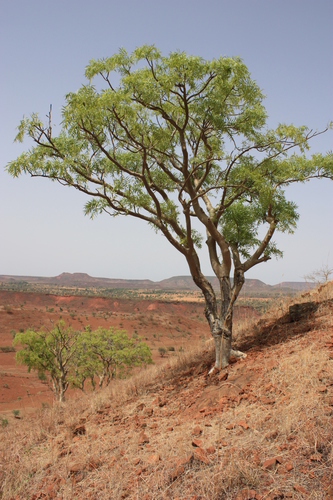
Zebra-barked commiphora
iNaturalist· cc-by-nc
(c) frasergear, some rights reserved (CC BY-NC), uploaded by frasergear
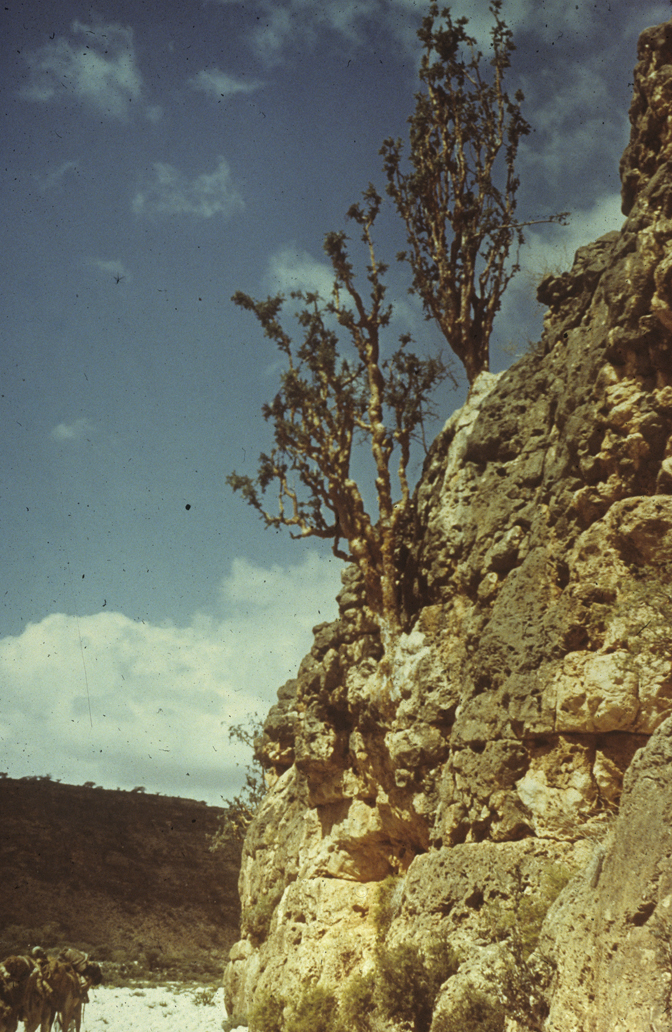
iNaturalist· cc-by-nc
(c) Troos van der Merwe, some rights reserved (CC BY-NC), uploaded by Troos van der Merwe
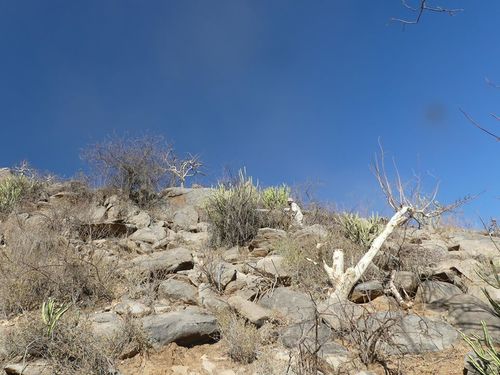
iNaturalist· cc-by-nc
(c) graemewolfaard, some rights reserved (CC BY-NC), uploaded by graemewolfaard
Description
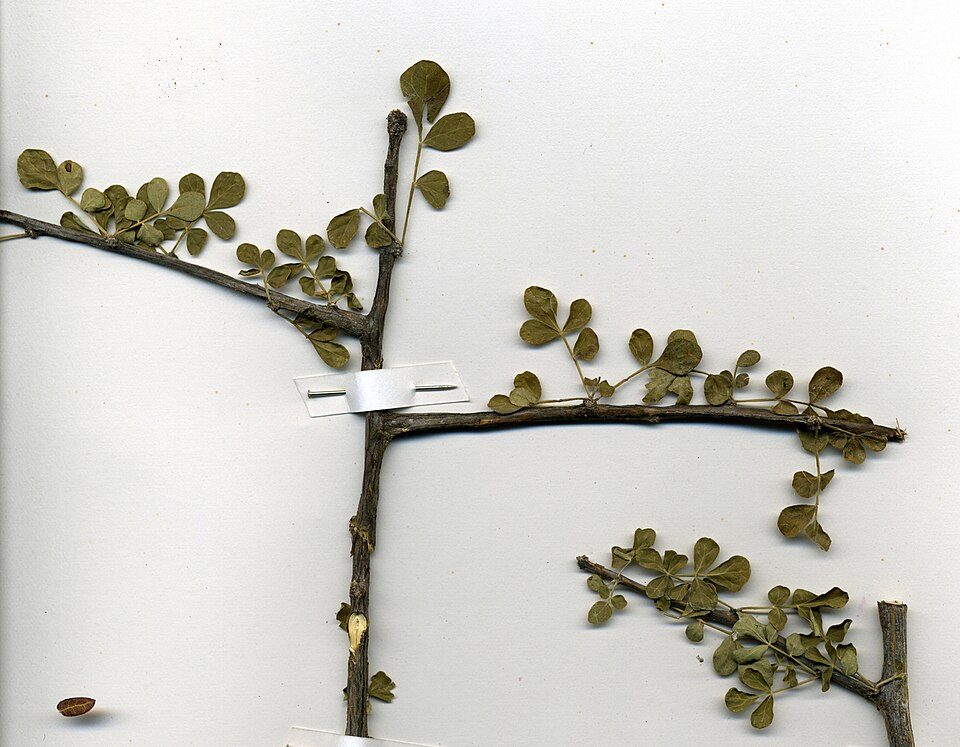
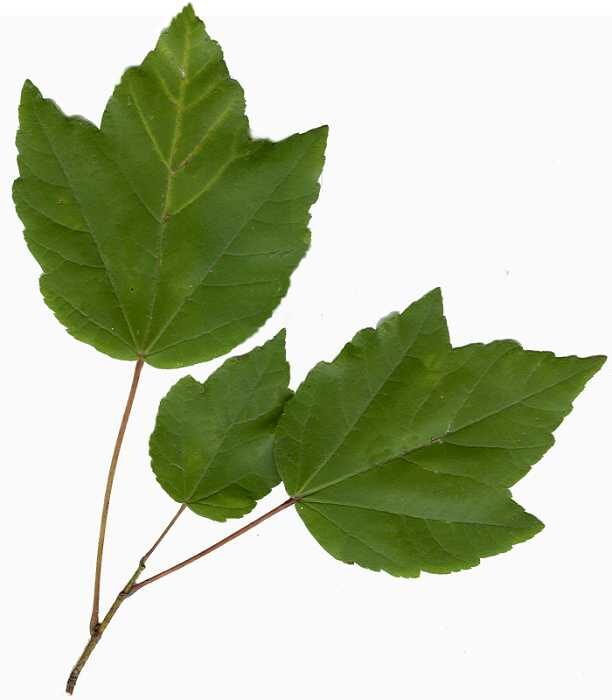
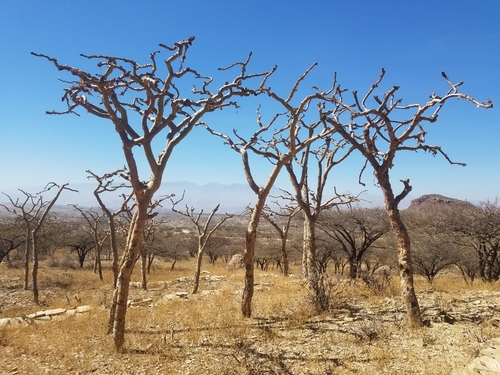
A small tree. It grows up to 6 m high. The bark is greenish-yellow and striped with black bands across it. The leaves have 2-6 pairs of leaflets with one at the end. The leaflets are 6 cm long by 3 cm wide. The flowers are small and yellowish. The occur in clusters in the axils of leaves. The fruit is oval and 1.3 cm long and 0.7 cm across. They become reddish-brown. The stone has a 3-4 lobed fleshy aril.
Edible Uses
The fruit is eaten.
Distribution
A tropical plant. It occurs in low altitude, hot, dry areas.
Where It Grows
Africa, East Africa, Namibia, South Africa, Southern Africa, Zimbabwe,
Notes
There are about 165 Commiphora species.
Synonyms
Also Known As
Onangwi
References (3)
- Exell, A.W. et al, (Ed), 1963, Flora Zambesiaca Vol 2 Part 1 Crown Agents, London. p 269 (As Commiphora merkeri)
- Palgrave, K.C., 1996, Trees of Southern Africa. Struik Publishers. p 364 (As Commiphora merkeri)
- Tredgold, M.H., 1986, Food Plants of Zimbabwe. Mambo Press. p 97 (As Commiphora merkeri)