Boswellia neglecta
S. Moore
iNaturalist· cc-by-nc
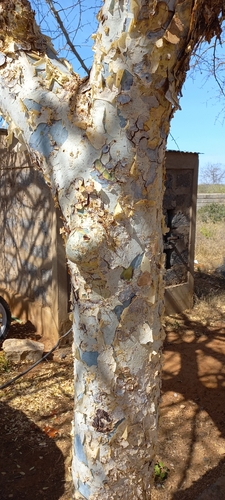
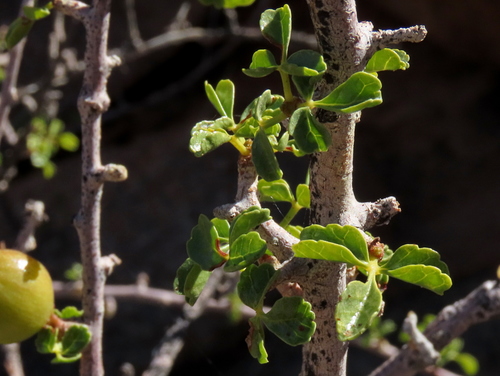
(c) Teddy Kinyanjui, some rights reserved (CC BY-NC), uploaded by Teddy Kinyanjui
iNaturalist· cc-by
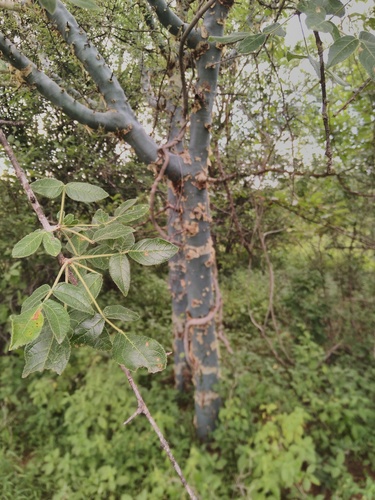
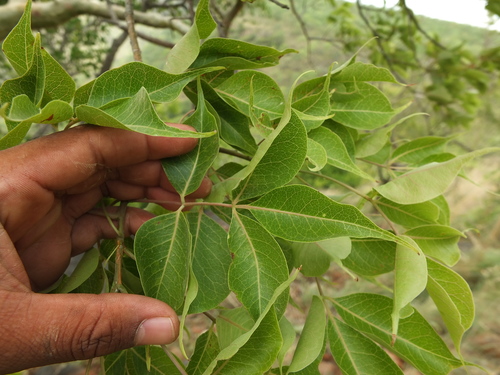
(c) Elliot Kulakow, some rights reserved (CC BY)
Description
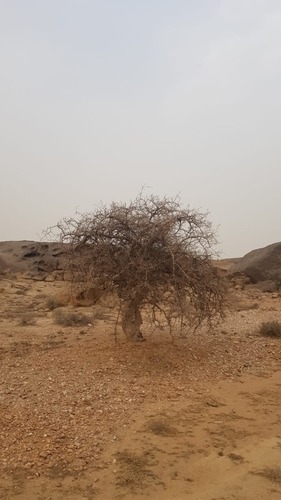
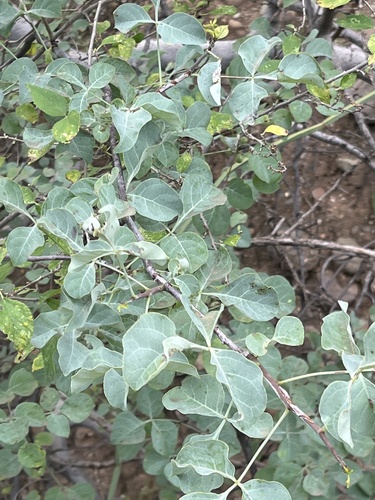
A shrub or small tree. It grows 5 m high. The leaves are in tufts on small side shoots. The flowers are greenish white. The fruit are red and 3 sided with 3 seeds.
Edible Uses
The resin or gum is chewed, the bark is used for making tea, and the fruit is eaten raw.
Traditional Uses
The resin or gum is chewed. The bark is used for making tea. The fruit is eaten raw.
This uses section is brief — help expand it
Distribution
It is a tropical plant. In Kenya it grows between 200-1,350 m altitude. It grows in drier places with a rainfall between 350-600 mm per year. It can grow in arid places.
Where It Grows
Africa, East Africa, Ethiopia, Kenya, Middle East, Oman, Somalia, Tanzania, Uganda,
Synonyms
Also Known As
Dakkara, Kinondo, Mirafur, Ubani
References (10)
- Duguma, H. T., 2020, Wild Edible Plant Nutritional Contribution and Consumer Perception in Ethiopia. Hindawi International Journal of Food Science Volume 2020, Article ID 2958623, 16 pages
- Kebebew, M. & Leta, G., 2016, Wild Edible Plant Bio-diversity and Utilization System in Nech Sar National Park, Ethiopia. International Journal of Bio-resource and Stress Management 2016, 7(4):885-896
- Maundu, P. et al, 1999, Traditional Food Plants of Kenya. National Museum of Kenya. p 78
- Morgan, W. T. W., 1981, Ethnobotany of the Turkana: Use of plants by a Pastoral People and Their Livestock in Kenya. Economic Botany 35(1):96-130
- Mutie, F. G., 2020, Conservation of Wild Food Plants and Their Potential for Combatting Food Insecurity in Kenya as Exemplified by the Drylands of Kitui County. Plants 2020, 9, 1017
Show all 10 references Hide references
- Mutie, F. M., et al, 2023, Important Medicinal and Food Taxa (Orders and Families) in Kenya, Based on Three Quantitative Approaches. Plants 2023, 12, 1145
- Peters, C. R., O'Brien, E. M., and Drummond, R.B., 1992, Edible Wild plants of Sub-saharan Africa. Kew. p 72
- Royal Botanic Gardens, Kew (1999). Survey of Economic Plants for Arid and Semi-Arid Lands (SEPASAL) database. Published on the Internet; http://www.rbgkew.org.uk/ceb/sepasal/internet [Accessed 4th April 2011]
- Some Kasigau Woody Plants and their Uses. 2013, National Geographic and Miami University
- World Checklist of Useful Plant Species 2020. Royal Botanic Gardens, Kew