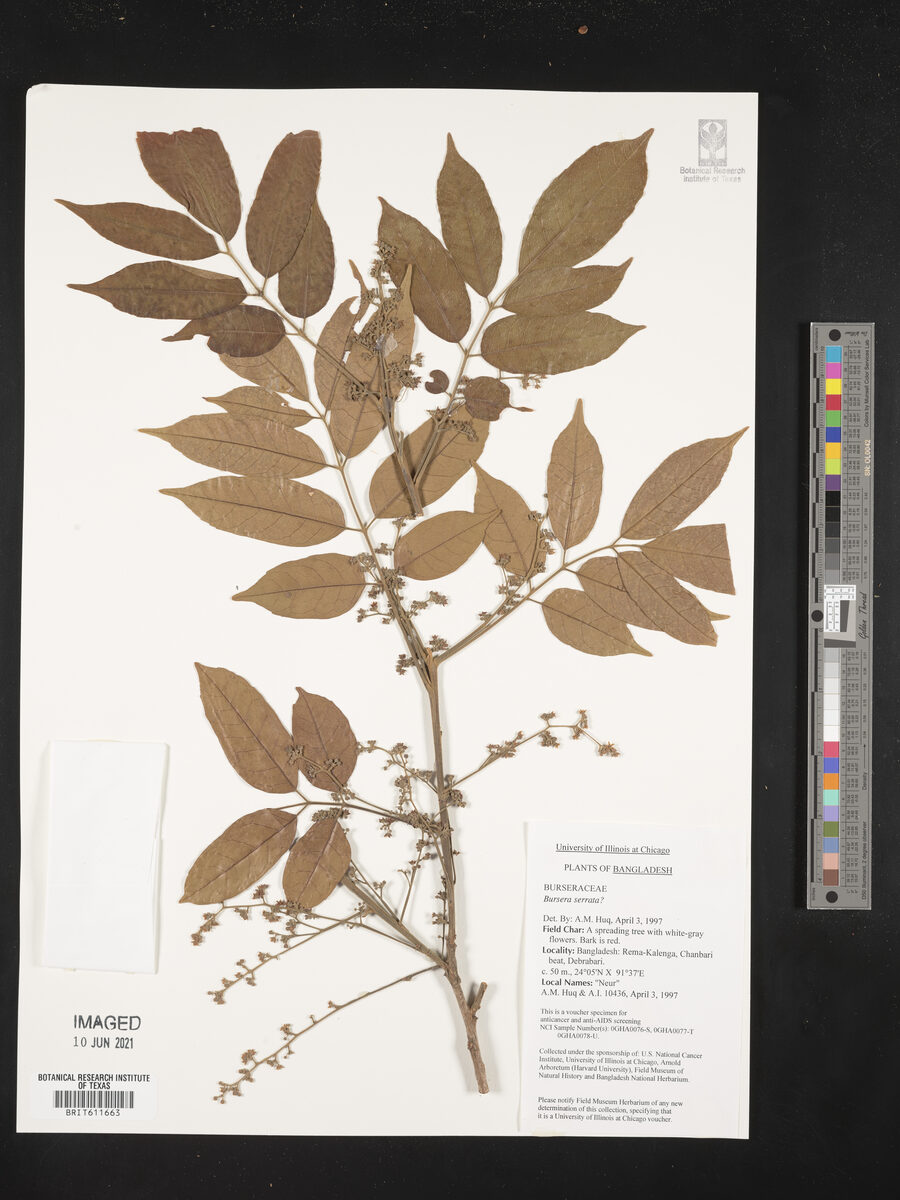
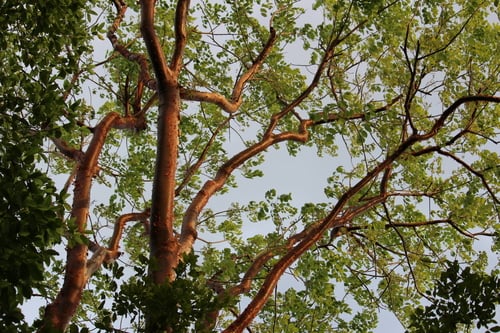
Boswellia frereana
Birdw.
Coptic frankincense, African elemi
Wikipedia· cc-by-sa
Wikimedia Commons - Somalia-Boswellia_frereana-2.jpg
wikimedia· cc-by-sa
Wikimedia Commons - Mauro Raffaelli
Summary
Source: WikipediaBoswellia frereana is a species of plant native to northern Somalia where it is known as yagcar, yagar, yigaar, or yegaar. Its frankincense is nicknamed the king of all frankincense, and called by the locals maydi (other spellings include: meydi, meyti, maidi, maieti, and mayeti) or the common name for all frankincense, fooh..The specific epithet refers to William Edward Frere, Member of Council at Bombay. Other than its aromatic uses, the locals also use it for medicinal purposes; they make it into a paste called "malmal" and apply it on the joints to treat inflammation and arthritis. It is reported to be cultivated in Yemen, but this is more than likely based on an 1870 record by Dr. G. Birdwood citing that B. frereana was seen in Sir Robert Playfair's garden in Aden (Yemen). Playfair had brought B. frereana from Somalia and cultivated it in his garden in Aden. Although rumored to also grow in Oman, scientific and botanical evidence does not confirm that B. frereana either grows or is cultivated there. In the West B. frereana is called "Coptic Frankincense" as this is the type and grade used by the Coptic Church of Egypt. 80% of B. frereana production is sold to Saudi Arabia where it is traditionally brought home by Muslim pilgrims. The remaining 20% is sold all around the world.
Description
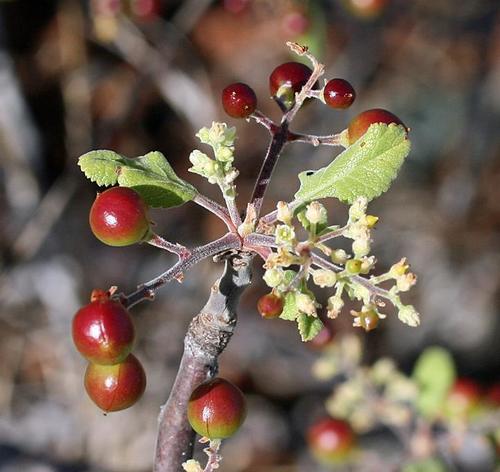
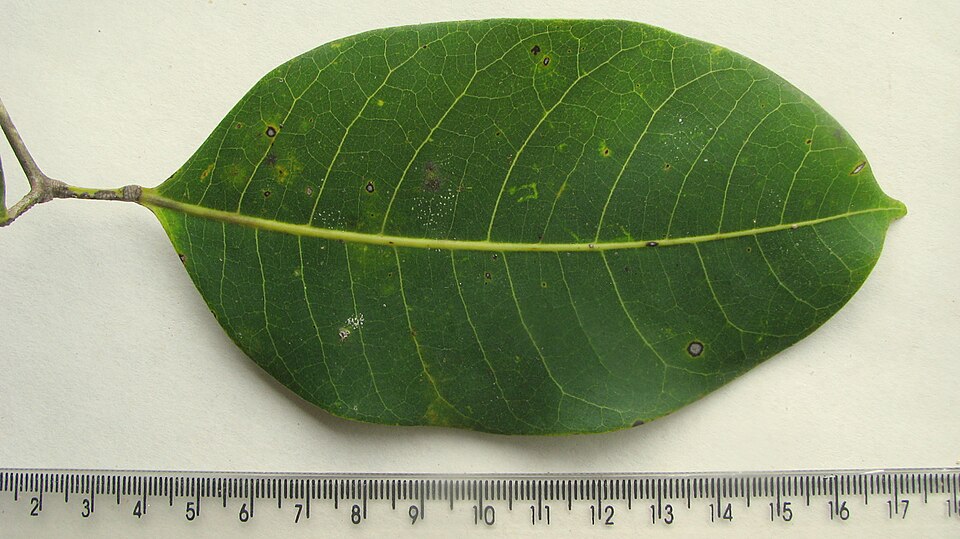
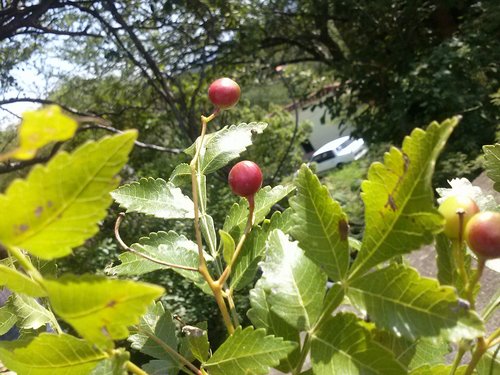
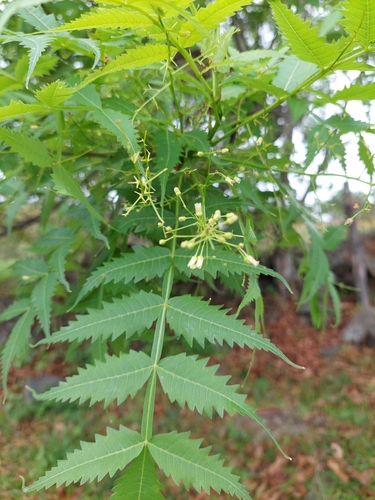
A small tree. The bark is peeling. It has a sticky aromatic resin. The flowers have 5 petals. The fruit is a capsule. It is brown and has a small brown nutlet inside.
Edible Uses
The resin is chewed, and the sap or gum can be consumed.
Traditional Uses
The resin is chewed.
This uses section is brief — help expand it
Medicinal Uses
The resin has anti-inflammatory properties against osteoarthritis.
Distribution
It is a tropical plant.
Where It Grows
Africa, Middle East, Saudi Arabia, Somalia, Yemen,
Cultivation
Plants can be grown from cuttings.
Other Uses
A resin is obtained from the stem. It is considered to be a superior form of frankincense. Most resin is obtained by making deliberate incisions into the bark of the tree. The milky liquid that exudes hardens on exposure to air into droplets or 'tears' which are then easily detached by the collector. Occasionally, some tears are produced by accidental injury or from splits which occur in the stems or branches of the tree.
Notes
There are 24 Boswellia species. It has anti-inflammatory properties against osteoarthritis.
Also Known As
Maidi, Maydi, Meydi, Yagar, Yagcar, Yigaar
References (4)
- Hedrick, U.P., 1919, (Ed.), Sturtevant's edible plants of the world. p 111
- Maundu, P. et al, 1999, Traditional Food Plants of Kenya. National Museum of Kenya. 288p
- Trans. Linn. Soc. London 27:146, t. 31. 1870
- World Checklist of Useful Plant Species 2020. Royal Botanic Gardens, Kew