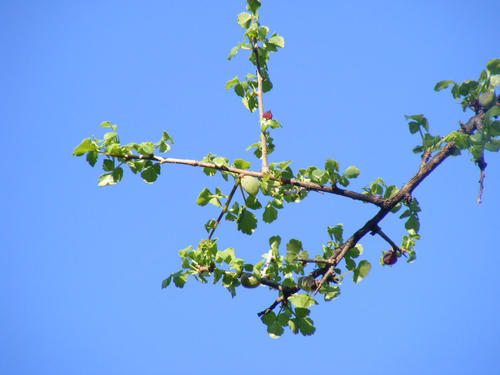
Boswellia dalzielii
Hutch.
Frankincense tree
iNaturalist· cc-by-nc-sa
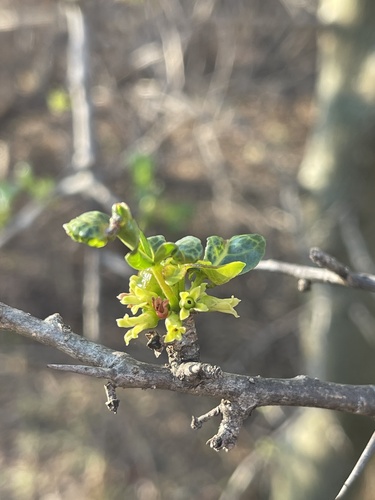
(c) marcoschmidt.frankfurt, some rights reserved (CC BY-NC-SA), uploaded by marcoschmidt.frankfurt
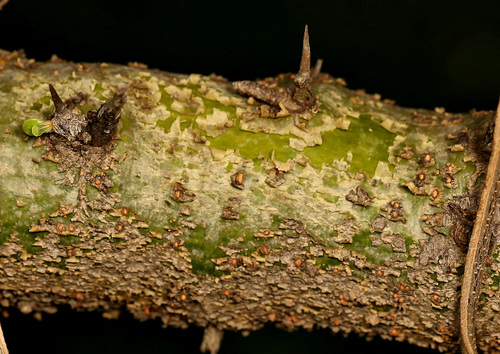
iNaturalist· cc-by-nc-sa
(c) Marco Schmidt, some rights reserved (CC BY-NC-SA), uploaded by Marco Schmidt
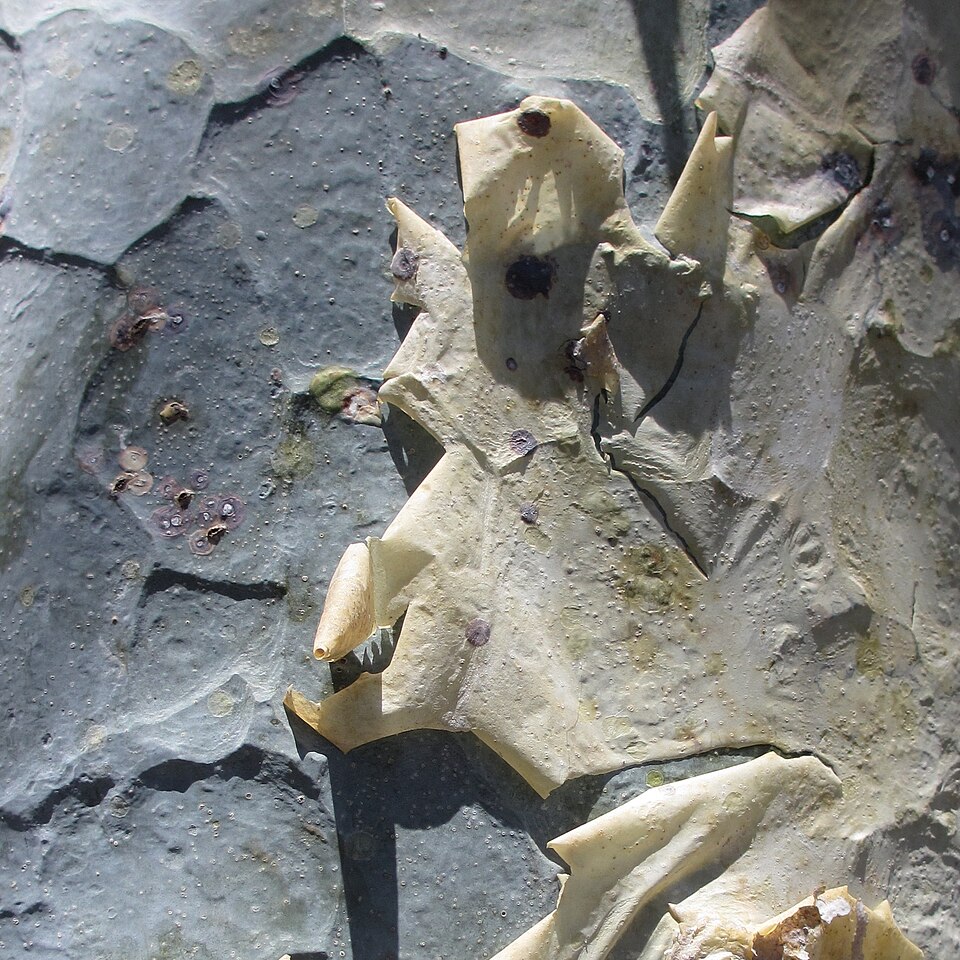
iNaturalist· cc-by-nc-sa
(c) Marco Schmidt, some rights reserved (CC BY-NC-SA), uploaded by Marco Schmidt
Summary
Source: WikipediaBoswellia dalzielii is a tree species in the family Burseraceae found in Africa. The bark of this plant is used in traditional medicines. Gallic and protocatechuic acids were isolated as the main antibacterial and antioxidant principles of the stem bark of B. dalzielii. 4'-Methoxy-(E)-resveratrol 3-O-rutinoside, incensole and b-sitosterol were also isolated.
Description
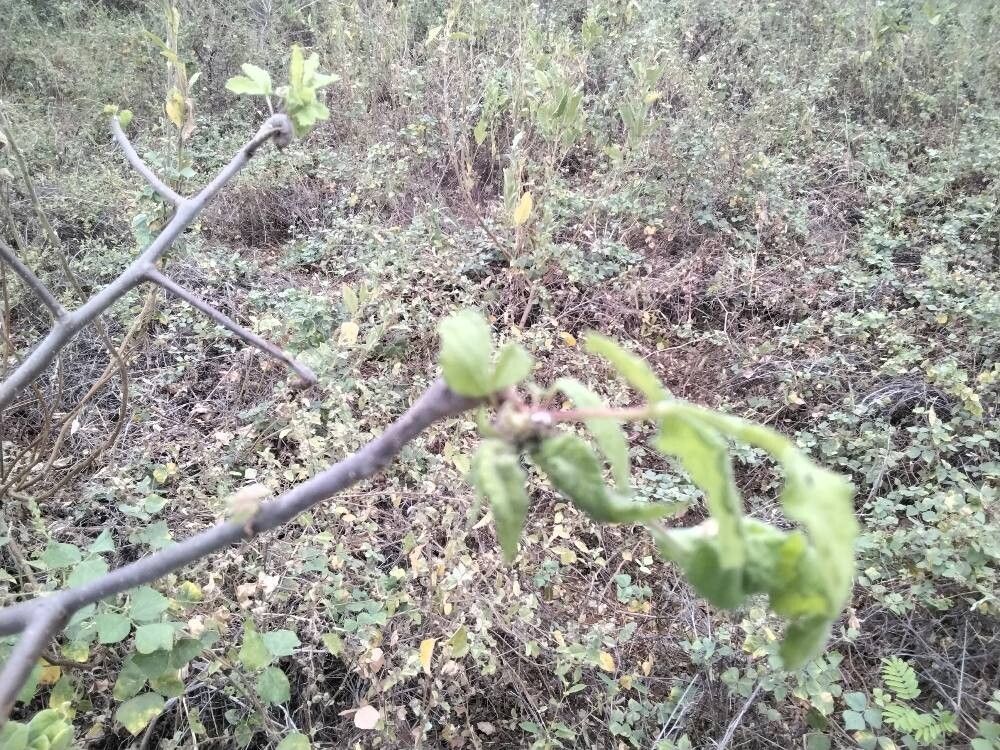
A tree. It grows 4-13 m tall. The bark is pale and papery. The flowers are white and have a scent. The petals can have red veins. The plant flowers before the leaves develop.
Edible Uses
The leaves are used as flavouring.
Medicinal Uses
The bark is used in traditional medicine.
Distribution
It is a tropical plant. It grows in the savannah.
Where It Grows
Africa, Benin, Burkina Faso, Cameroon, Ghana, Niger, Nigeria, Sahel, West Africa,
Cultivation
The small white flowers which may appear while the tree is leafless are fragrant. The tree is sometimes planted in northern parts of Ivory Coast and Upper Volta as an ornamental .
Other Uses
The bark contains a whitish exudate which dries readily and is friable. It is fragrant and is burned alone or with other fragrant resins to fumigate clothing and in rooms to drive out flies, mosquitoes, etc. It is used by Catholic Missions as a substitute for true incense It may be added to the juice of Acacia berries used in ritual mummifications practised by various tribes in N Nigeria. Along with an extract of bark of Vitex doniana, it is sometimes an ingredient of malam’s ink. It is planted as a village stockade on the Vogel Peak massif of N Nigeria (3) and often as a live-fence to bring prosperity (ba-samu) or to prevent (hanu) bad luck.
Notes
The bark is used in medicine.
Also Known As
Chibdi, Hano, Janawhi, Juguhi, Kabona, Kafi dukkan, Konhenyegho, Pianwogu
References (1)
- World Checklist of Useful Plant Species 2020. Royal Botanic Gardens, Kew