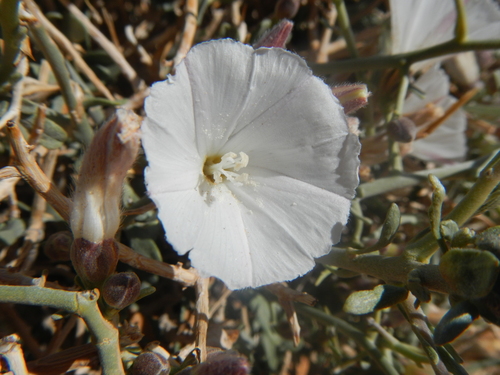
Ipomoea indica
(Burm.) Merr.
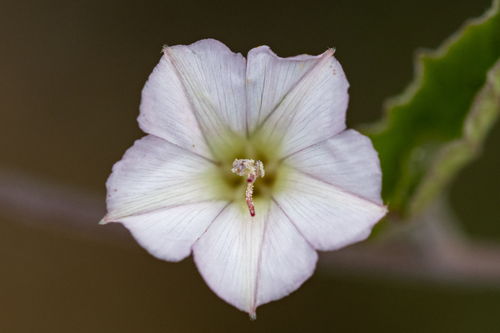
iNaturalist· cc-by-nc
(c) John E. Christensen, some rights reserved (CC BY-NC), uploaded by John E. Christensen
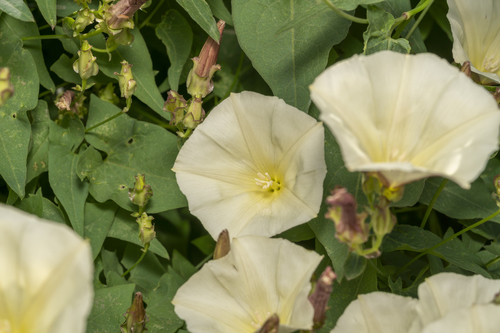
iNaturalist· cc-by-nc
(c) Nina Peck, some rights reserved (CC BY-NC), uploaded by Nina Peck
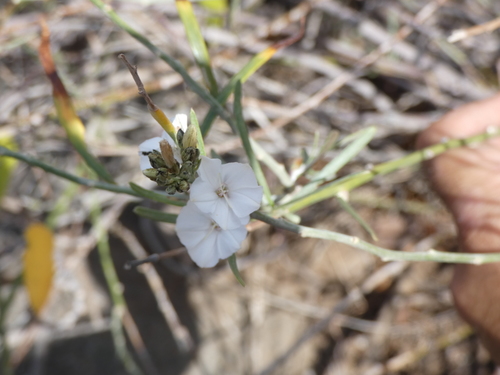
iNaturalist· cc-by-nc
(c) lewilson3d, some rights reserved (CC BY-NC)
Summary
Source: WikipediaIpomoea indica is a species of flowering plant in the family Convolvulaceae, known by several common names, including blue morning glory, oceanblue morning glory, koali awa, and blue dawn flower. It bears heart-shaped or three-lobed leaves and purple or blue funnel-shaped flowers 6–8 cm (2–3 in) in diameter, from spring to autumn. The flowers produced by the plant are hermaphroditic. This plant has gained the Royal Horticultural Society's Award of Garden Merit. The plant is grown as an ornamental for its attractive flowers, but is considered invasive in many regions of the world, being specifically listed on New Zealand's Biosecurity Act 1993.
Description
A vine. The vine is less than 2 cm across. The leaves are 3-12 cm long by 3-12 cm wide. They are hairy. The flowers are in a group on stalks 10-20 cm long.
Edible Uses
The leaves are cooked with beans or brewed into tea.
Traditional Uses
The leaves are cooked with beans.
This uses section is brief — help expand it
Medicinal Uses
The sap from the crushed leaves is drunk to relieve dysentery. The sap from the crushed leaves is applied to on sores, these are then wrapped with the leaf.
Known Hazards
The plant is toxic to humans, causing discomfort and irritation but is not life-threatening. The seeds are poisonous if ingested, causing visual distortion, restlessness and nausea.
Distribution
It is a subtropical plant.
Where It Grows
Africa, Australia, East Africa, Fiji, Madagascar, Mexico, Micronesia, Pacific, Palau, Rotuma, St Helena, Tasmania,
Cultivation
Succeeds in a wide variety of soils and situations, preferring moist sites especially where the soil is rich in nutrients. Often grown as an ornamental, the plant has escaped from cultivation and become naturalized in many areas. It is a noxious weed in parts of Australia, for example, where it carpets the ground and smothers shrubs and small trees. A mature plant can produce hundreds of fragile flowers each day and can leave a messy carpet below. The flowers are dark blue in the morning, turning to purple/magenta by noon and pink by the evening before curling up into a fuchsia-like shape and then falling to the ground in the next day or two.
Other Uses
The leaves are used as soap to wash clothes.
Synonyms
Also Known As
Kisarisarim-bomanga, Soyoquelite
References (2)
- Pena, F. B., et al, 1998, Los quelites de la Sierra Norte de Puebla, Mexico: Inventory Y Formas de Preparacion. Bol. Soc. Bot. Mexico 62:49-62 (As Ipomoea mutabilis)
- Razanameharizaka, J., et al, 2022, Catalogue Legumes Traditionnels de Madagascar. Université d’Antananarivo, Antananarivo (101), Madagascar. Vol. 1. p 34