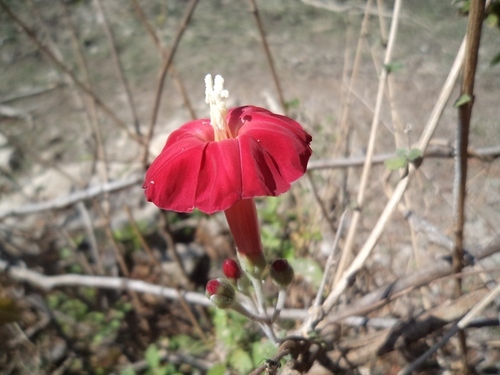
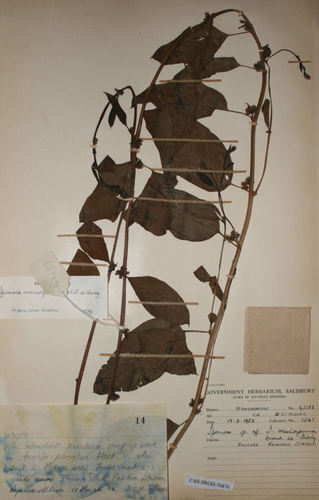
Cressa cretica
L.
Rosinwood, Cressa
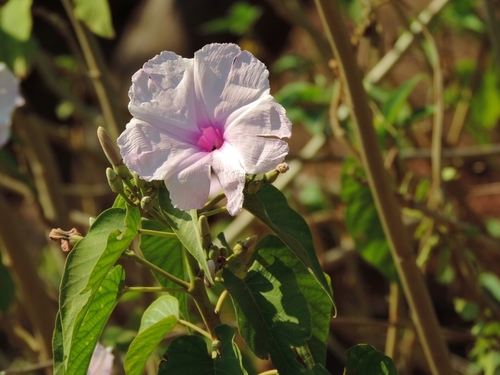
iNaturalist· cc-by-nc
(c) Francisco Javier Carela Quilez, some rights reserved (CC BY-NC), uploaded by Francisco Javier Carela Quilez
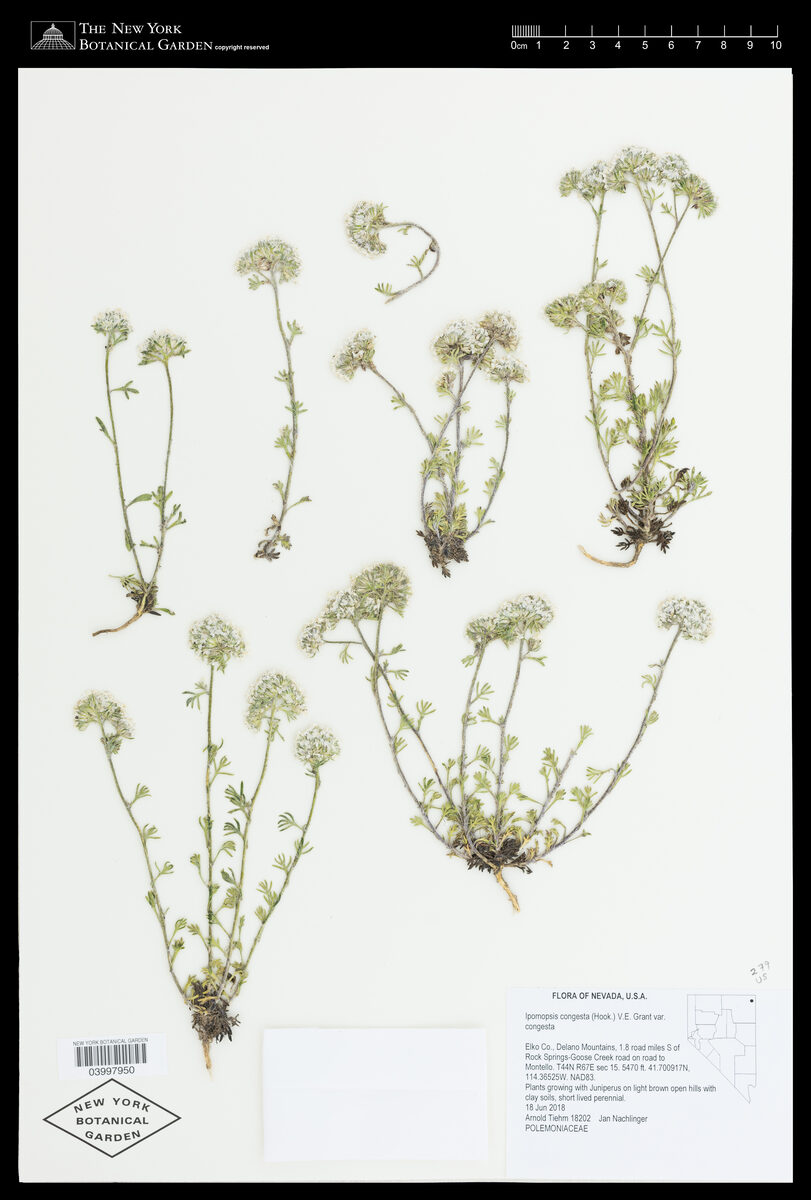
iNaturalist· cc-by-sa
(c) Dinesh Valke, some rights reserved (CC BY-SA)
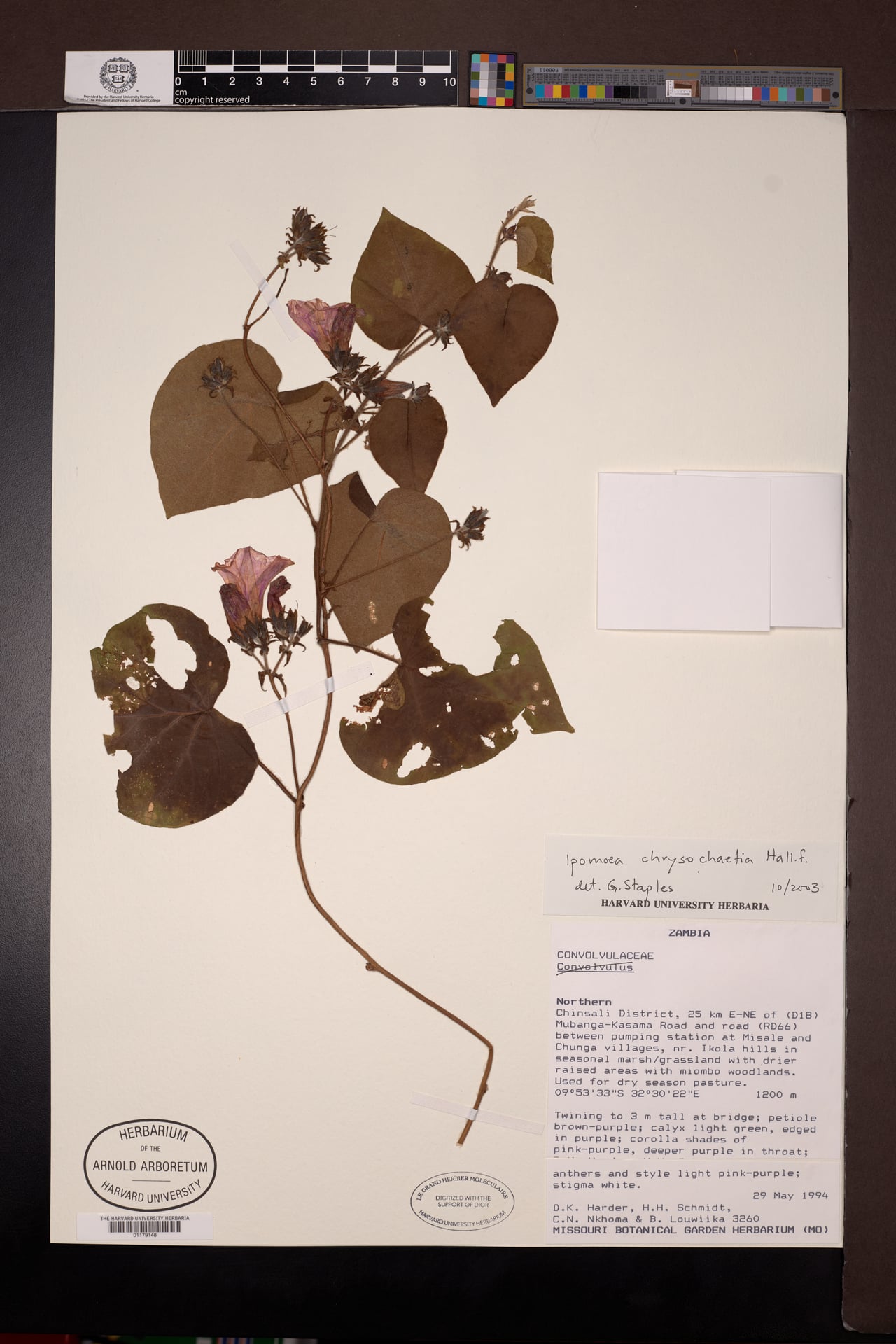
iNaturalist· cc-by-nc
(c) Radha Veach, some rights reserved (CC BY-NC), uploaded by Radha Veach
Summary
Source: WikipediaCressa cretica is a species of flowering plant in the morning glory family. It is found in northern and central Africa, southern Europe and western Asia, as well as parts of southeastern Asia and Australia. It has long been used in traditional medicine and research has demonstrated that it has some therapeutic effects.
Description
A slender sub-shrub or herb. It grows 10-30 cm high. It can be erect or spreading. It has a tough woody rootstock. It can keep growing from year to year. The leaves are greyish and hairy. They are oval or sword shaped and have a heart shaped base. They do not have teeth. The flowers are yellow or pink. The flowers are borne in round clusters at the ends of branches. The corolla has a short tube and 5 spreading lobes which may curve back.
Edible Uses
The leaves are edible.
Medicinal Uses
This plant is much used in traditional medicine; it is reputed to be an anthelmintic, an expectorant, an aid to digestion, an aphrodisiac and to have tonic properties among other uses. Research shows that the plant contains a number of chemical constituents and that it has some potential as an antibacterial, an antifungal and an antitussive agent. In combination with Tridax procumbens and Euphorbia thymifolia, it has been found to be effective as an anticancer treatment. It has also been shown to improve testicular function in rats.
Distribution
It grows from tropical to temperate places. It grows in sandy and muddy locations. It grows in wet grassland savannah. It can be on salt flats and near the shores of lakes. It is very salt tolerant.
Where It Grows
Africa, Asia, Australia, Bahrain, Central Asia, East Africa, Europe, France, Greece, Guinea, Guinée, Guinea-Bissau, India, Italy, Mediterranean, Middle East, Mozambique, Portugal, Senegal, Spain, Tajikistan, Turkey, Türkiye, United Arab Emirates, UAE, West Africa,
Cultivation
Succeeds in temperate to tropical areas, usually near the coast and always in areas where the soil is salty. It occurs in the rice-paddies of the Senegal River at Richard Toll, not particularly as a weed, but its presence in increasing or decreasing amount is an indication of the brackishness of the water.
Also Known As
Meliah, M'puthlenkana
References (7)
- Blamey, M and Grey-Wilson, C., 2005, Wild flowers of the Mediterranean. A & C Black London. p 184
- Karim, F. M. & Dakheel, A, J., 2006, Salt-tolerant plants of the United Arab Emirates. 2006. International Center for Biosaline Agriculture, Dubai, UAE. p 79
- Paczkowska, G. & Chapman, A.R., 2000, The Western Australian Flora. A Descriptive Catalogue. Western Australian Herbarium. p 217
- Phillips, D.C., 1988, Wild Flowers of Bahrain. A Field Guide to Herbs, Shrubs, and Trees. Privately published. p 141
- Singh, H.B., Arora R.K.,1978, Wild edible Plants of India. Indian Council of Agricultural Research, New Delhi. p 39
Show all 7 references Hide references
- WATT,
- Wheeler, J.R.(ed.), 1992, Flora of the Kimberley Region. CALM, Western Australian Herbarium, p 740