Convolvulus sagittatus
Thunb.
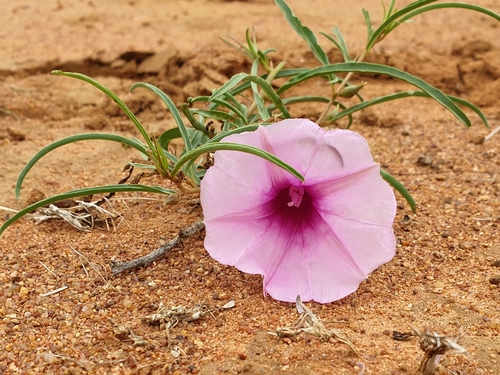
Wild morning glory
iNaturalist· cc-by-sa
(c) magriet b, some rights reserved (CC BY-SA), uploaded by magriet b
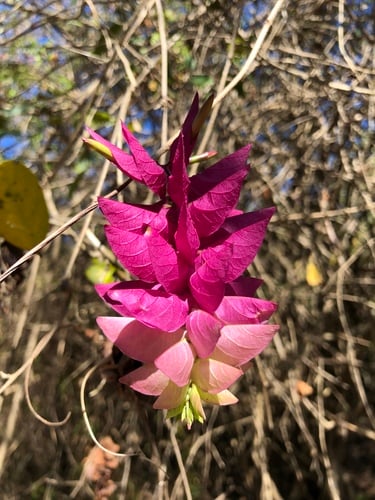
iNaturalist· cc-by-nc
(c) Tony Benn, some rights reserved (CC BY-NC), uploaded by Tony Benn
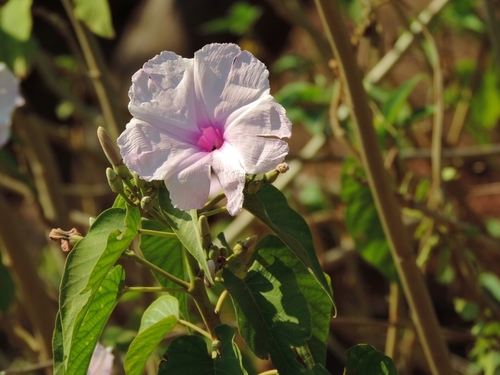
iNaturalist· cc-by-nc
(c) Felix Riegel, some rights reserved (CC BY-NC), uploaded by Felix Riegel
Description
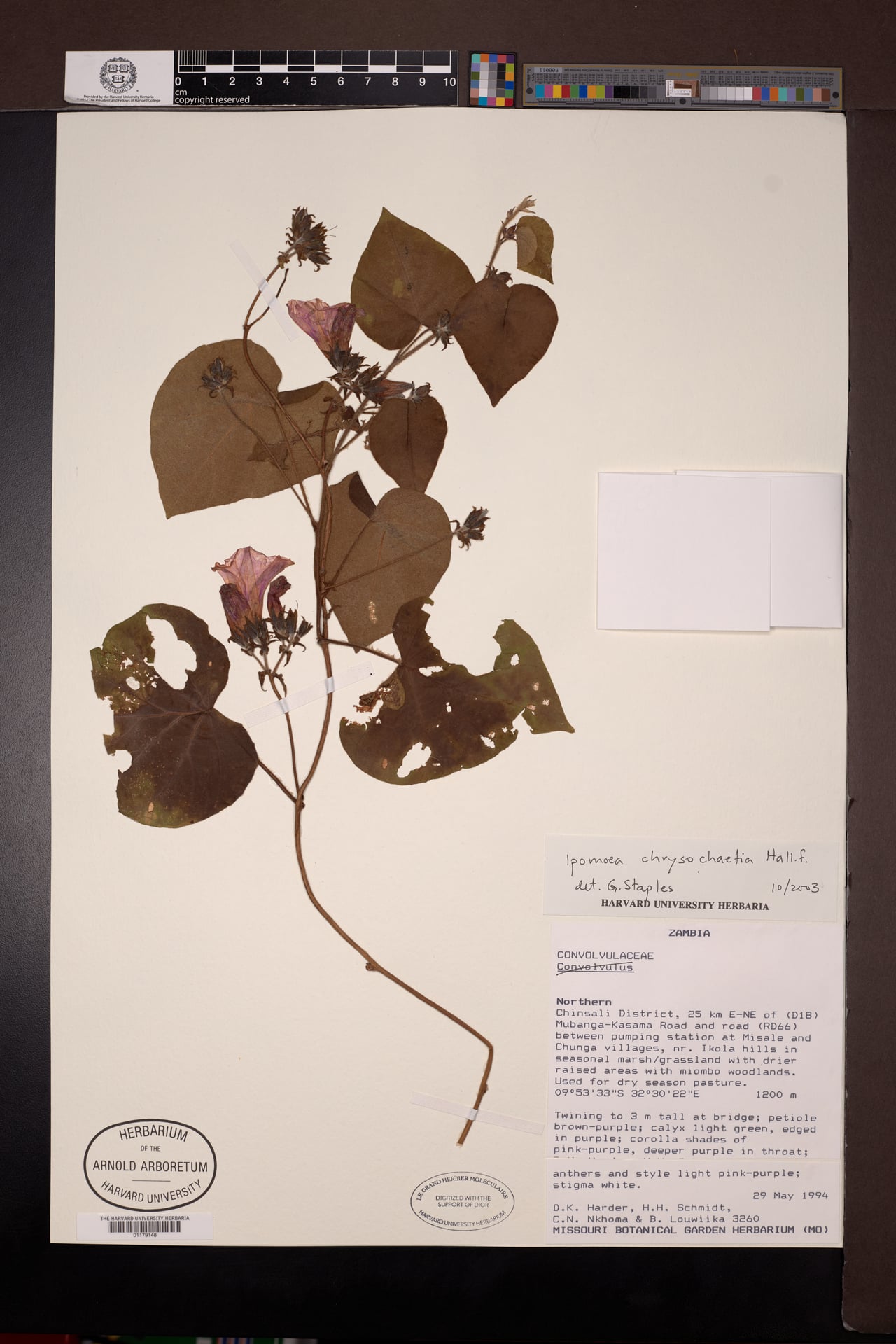
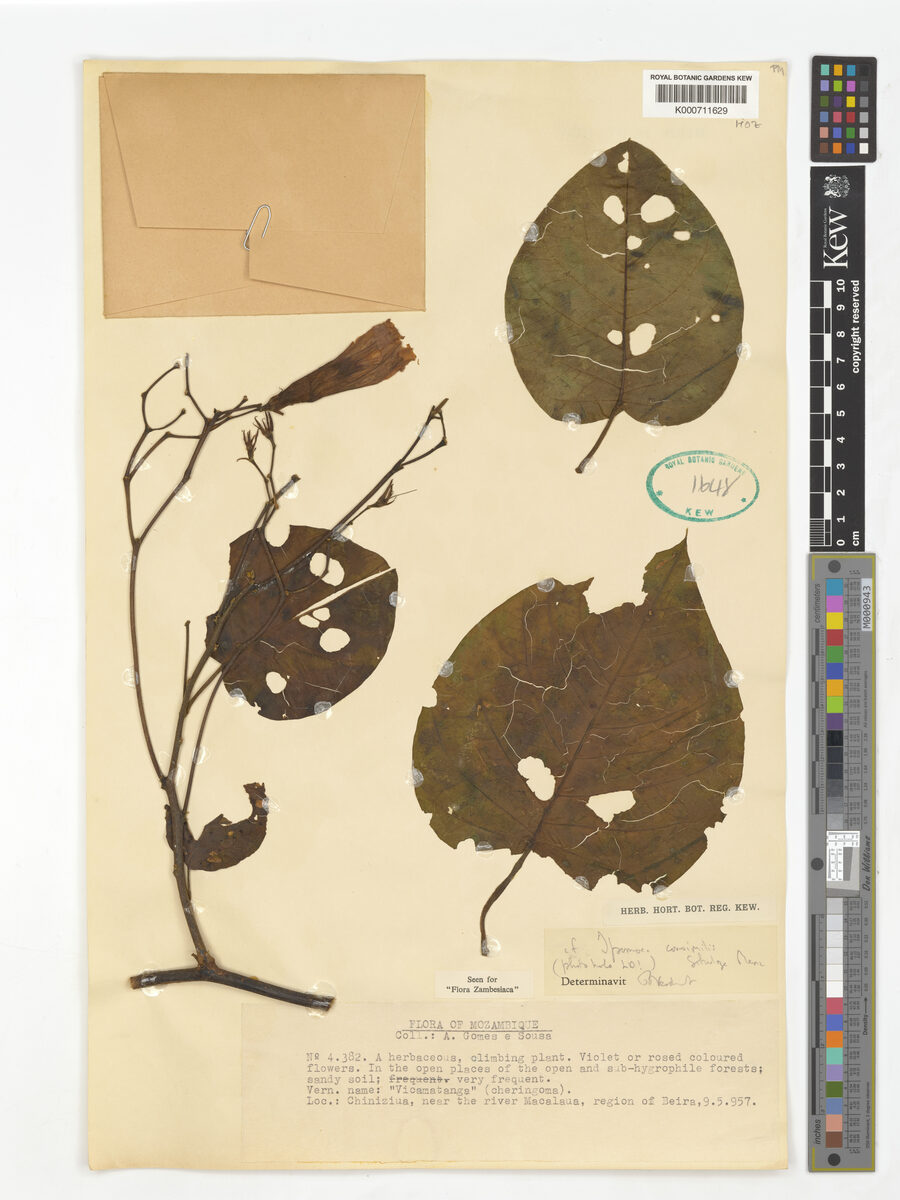
A herb. It lies along the ground and can be a scrambler. It has a taproot and can keep growing from year to year. It puts up annual shoots. It can grow 2 m high. The leaves are alternate and vary in shape and size. They can have 2-5 lobes. The flowers are small and up to 2 cm across. They are white to pale pink. They usually occur singly on long stalks in the axils of the leaves.
Edible Uses
The leaves are eaten.
Traditional Uses
Africa, Botswana, East Africa, Eswatini, Lesotho, Mozambique, Namibia, South Africa, Southern Africa, Swaziland, Zambia, Zimbabwe,
This uses section is brief — help expand it
Distribution
It is a tropical plant. It grows in sandy and loamy soils. It grows between 150-2,260 m above sea level. It can grow in arid places.
Synonyms
Also Known As
Dinkororo, N'puluruzi, Uvimbukhalo
References (1)
- Royal Botanic Gardens, Kew (1999). Survey of Economic Plants for Arid and Semi-Arid Lands (SEPASAL) database. Published on the Internet; http://www.rbgkew.org.uk/ceb/sepasal/internet [Accessed 14th April 2011]