Celtis caudata
Planch.
iNaturalist· cc-by
(c) Daniel A. Monsalve Ortiz, some rights reserved (CC BY), uploaded by Daniel A. Monsalve Ortiz
iNaturalist· cc-by-nc-sa
(c) Reinaldo Aguilar, some rights reserved (CC BY-NC-SA)
iNaturalist· cc-by-nc-sa
(c) Reinaldo Aguilar, some rights reserved (CC BY-NC-SA)
Description
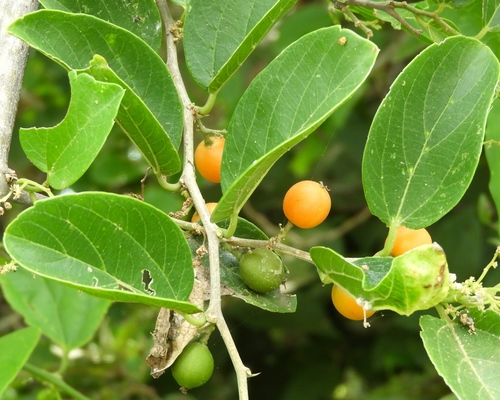
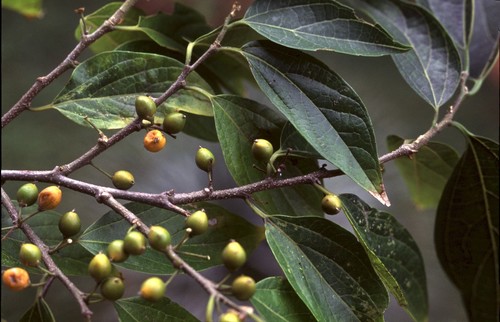
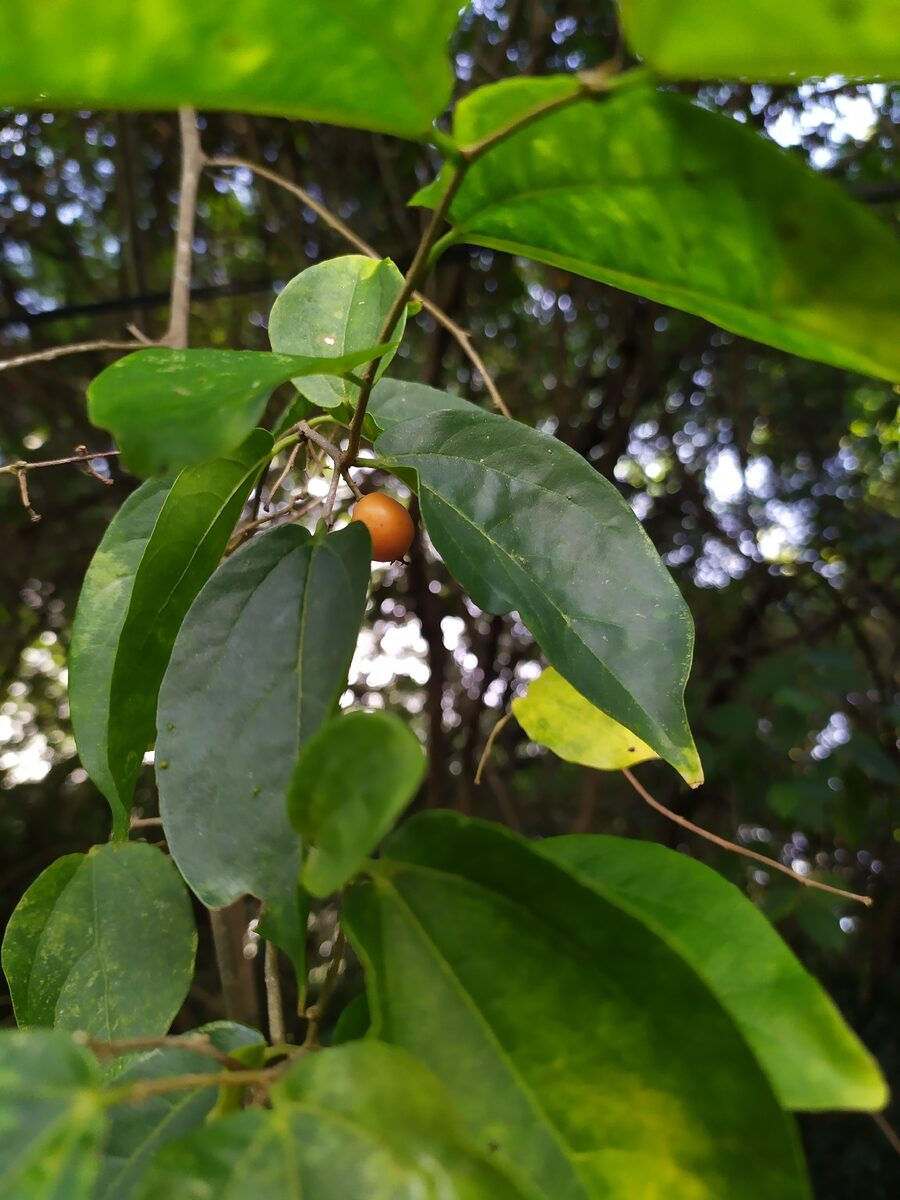
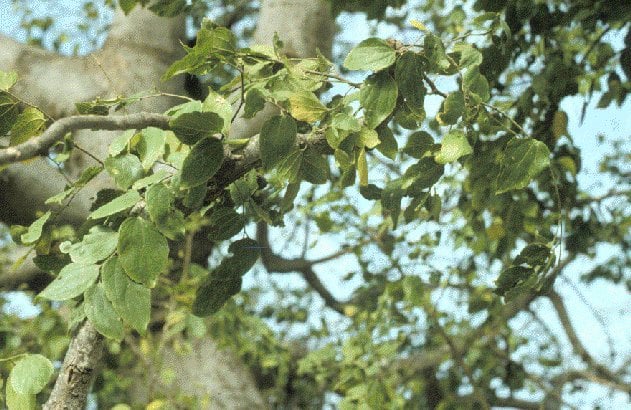
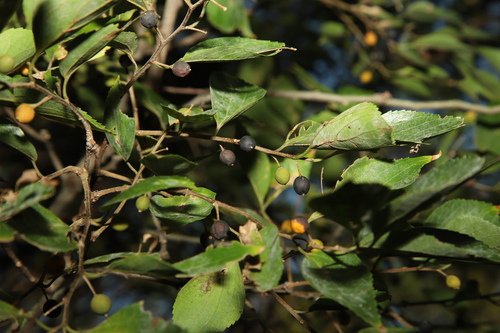
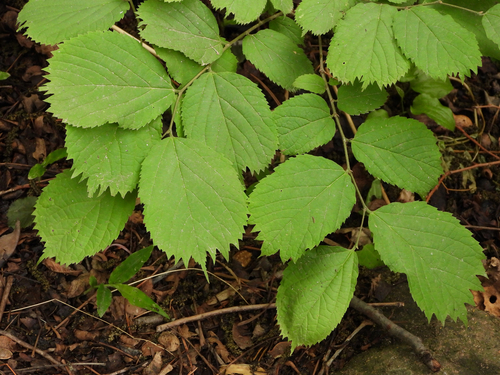
A tree. It can grow 35 m tall. The leaves are 5-11 cm long by 2-5 cm wide. There are several flowers in a group. The fruit are round and 9-10 mm long and wide.
Edible Uses
The fruit is eaten.
Distribution
It is a tropical plant.
Where It Grows
Central America, Costa Rica, El Salvador, Mexico, Nicaragua,
Synonyms
Celtis littoralis Liebm.Celtis riparia Liebm.
Also Known As
Carboncillo, Malintze, Moralillo, Palo blanco
References (5)
- Cruz, I. M., et al, 2015, Edible fruits and seeds in the State of Mexico. Revista Mexicana de Ciencias Agricolas. Vol. 6. Num. 2 pp 331-346
- Piedra-Malagón, E. M. et al, 2022, Edible native plants of the Gulf of Mexico Province. Biodiversity Data Journal 10: e80565 p 16
- Rangel-Landa, S., et al, 2017, Sociocultural and ecological factors influencing management of edible and non-edible plants: the case of Ixcatlan, Mexico. Journal of Ethnobiology and Ethnomedicine. 13:59
- Segura, S., et al, 2018, The edible fruit species in Mexico. Genet Resour Crop Evol (2018) 65:1767–1793
- World Checklist of Useful Plant Species 2020. Royal Botanic Gardens, Kew