Celtis tala
Gillies ex Planch.
Cranjero, Tala
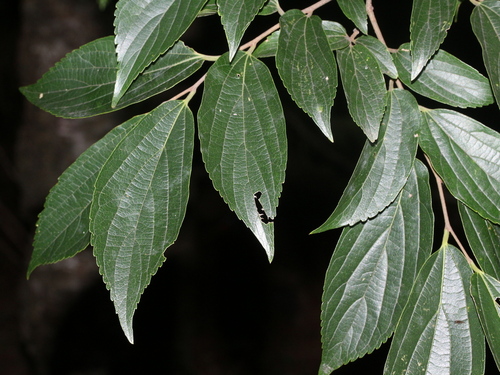
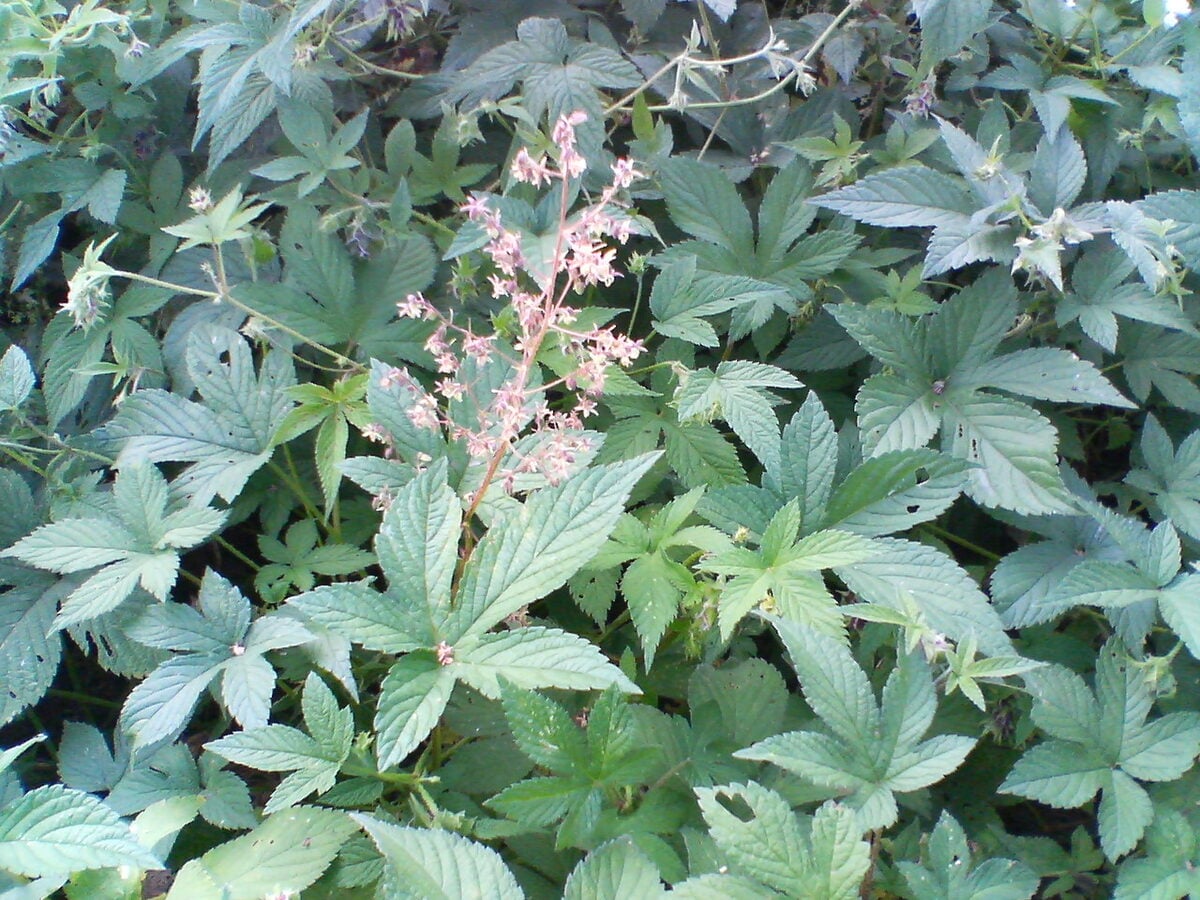
iNaturalist· cc-by-nc
(c) Martin Arregui, some rights reserved (CC BY-NC), uploaded by Martin Arregui
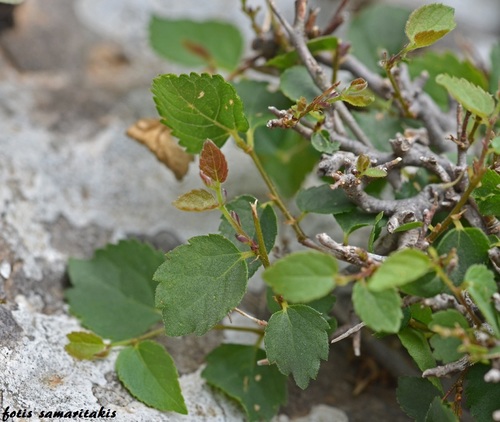
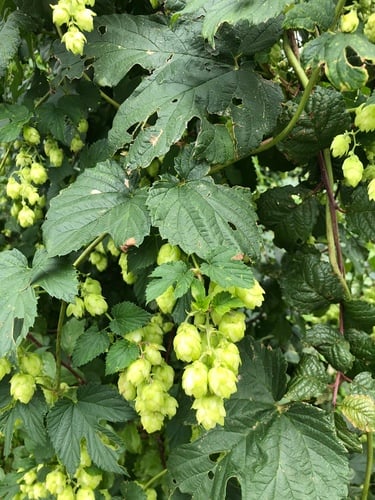
iNaturalist· cc-by
(c) aacocucci, some rights reserved (CC BY), uploaded by aacocucci
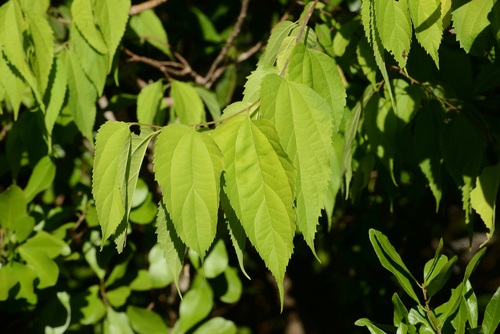
iNaturalist· cc-by-nc
(c) Guille Ivan Spajic, some rights reserved (CC BY-NC), uploaded by Guille Ivan Spajic
Summary
Source: WikipediaCeltis tala (or Celtis ehrenbergiana), known as tala, is a medium size deciduous tree, native to tropical and subtropical South America. With small to medium-sized spines, its one of the main components of the Gran Chaco prairies and certain areas of the Argentinian pampa.
Description
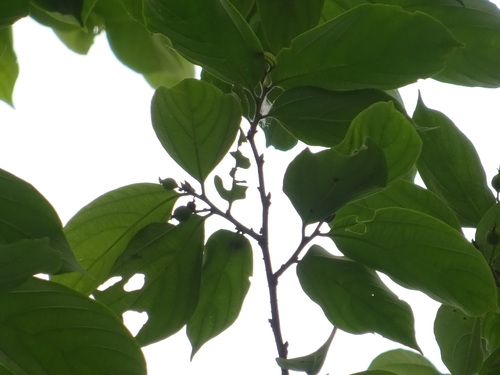
A shrub or small tree. It grows 12 m tall. It loses its leaves during the year. The fruit are small oval berries. They are orange-yellow.
This description is brief — help expand it
Edible Uses
The fruit are only occasionally used for food.
Distribution
It is a tropical plant.
Where It Grows
Argentina, Brazil, Central America, Mexico, North America, South America, Uruguay,
Other Information
The fruit are only occasionally used.
Notes
There are 70-100 Celtis species. They are mostly in the tropics. There are 8-10 species in tropical America. Also put in the family Ulmaceae.
Also Known As
Cranxero
References (5)
- Ann. Sci. Nat. Bot. ser. 3, 10:311. 1848
- Hedrick, U.P., 1919, (Ed.), Sturtevant's edible plants of the world. p 178
- Kinupp, V. F., 2007, Plantas alimenticias nao-convencionais da regiao metropolitana de Porto Alegre, RS, Brazil p 71 (As Celtis sellowiana)
- Palmieri, V. S., et al, 2022, Wild edible plants of the Central Mountains in Argentina. Comparing subregions to understand the complexity of local botanical knowledge. Rodriguésia 73: e01092021. 2022
- World Atlas, Native Plants of Uruguay.