Banksia menziesii
R. Br.
Menzies banksia
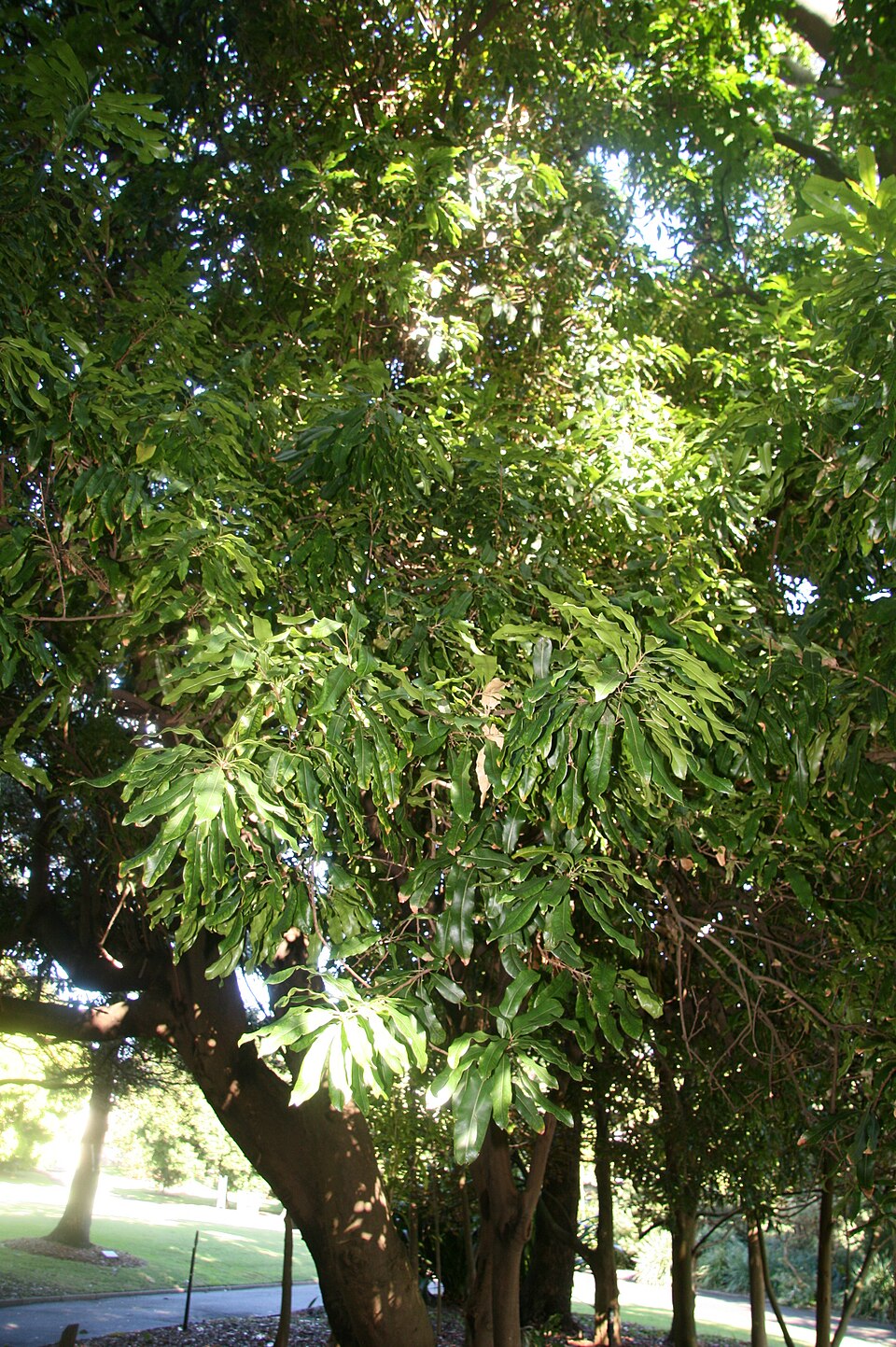
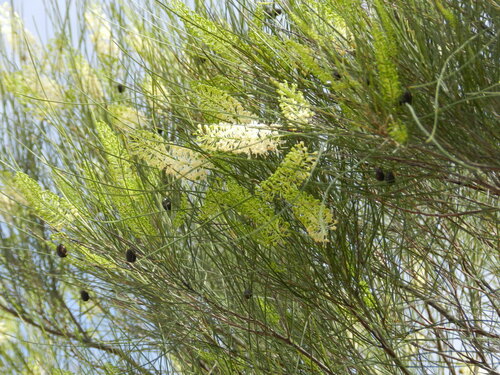
iNaturalist· cc-by-nc
(c) ladyrobyn, some rights reserved (CC BY-NC), uploaded by ladyrobyn
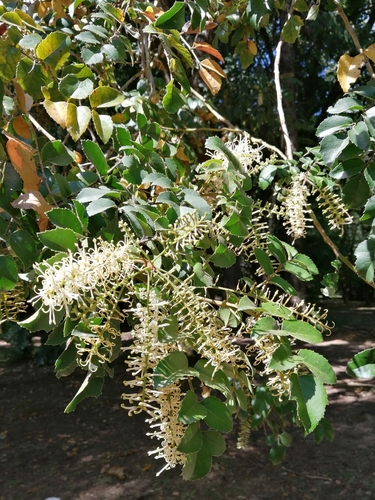
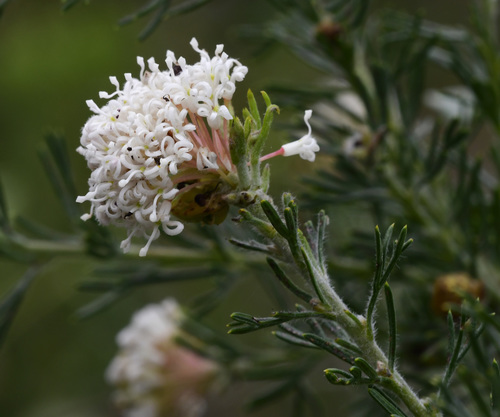
iNaturalist· cc-by-nc
(c) outofspek, some rights reserved (CC BY-NC), uploaded by outofspek
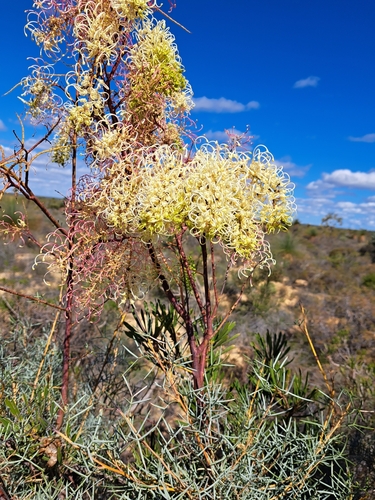
iNaturalist· cc-by-nc
(c) Dave Spindle, some rights reserved (CC BY-NC)
Summary
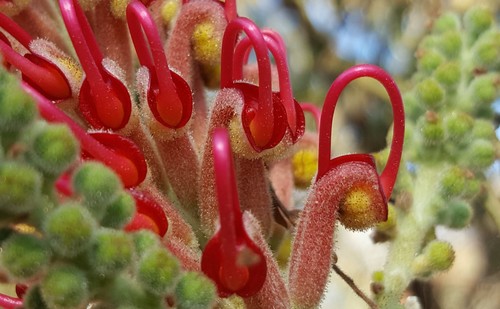
Source: WikipediaBanksia menziesii, commonly known as firewood banksia, is a species of flowering plant in the family Proteaceae. It is a gnarled tree up to 10 m (33 ft) tall, or a lower spreading 1–3 m (3.3–9.8 ft) shrub in the more northern parts of its range. The serrated leaves are dull green with new growth a paler grey green. The prominent autumn and winter inflorescences are often two-coloured red or pink and yellow, and their colour has given rise to more unusual common names such as port wine banksia and strawberry banksia. Yellow blooms are rarely seen. First described by the botanist Robert Brown in the early 19th century, no separate varieties of Banksia menziesii are recognised. It is found in Western Australia, from the Perth (32° S) region north to the Murchison River (27° S), and generally grows on sandy soils, in scrubland or low woodland. Banksia menziesii provides food for a wide array of invertebrate and vertebrate animals; birds and in particular honeyeaters are prominent visitors. A relatively hardy plant, Banksia menziesii is commonly seen in gardens, nature strips and parks in Australian urban areas with Mediterranean climates, but its sensitivity to dieback from the soil-borne water mould Phytophthora cinnamomi makes it short-lived in places with humid summers, such as Sydney. Banksia menziesii is widely used in the cut flower industry both in Australia and overseas.
Description
A small tree in the Proteaceae family with a Mediterranean climate distribution. The nectar-producing flowers are edible.
This description is brief — help expand it
Edible Uses
The nectar is consumed.
Distribution
It is a Mediterranean climate plant.
Where It Grows
Australia*,
References (1)
- Plants and People in Mooro Country. Nyungar Plant use in Yellagonga Regional Park