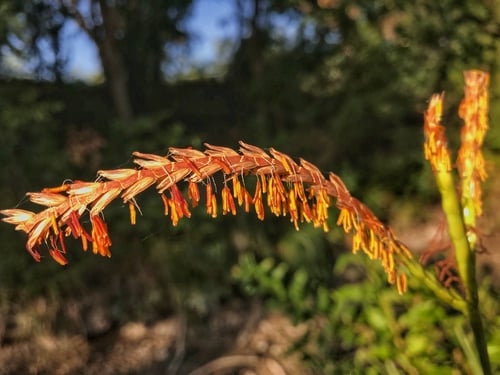
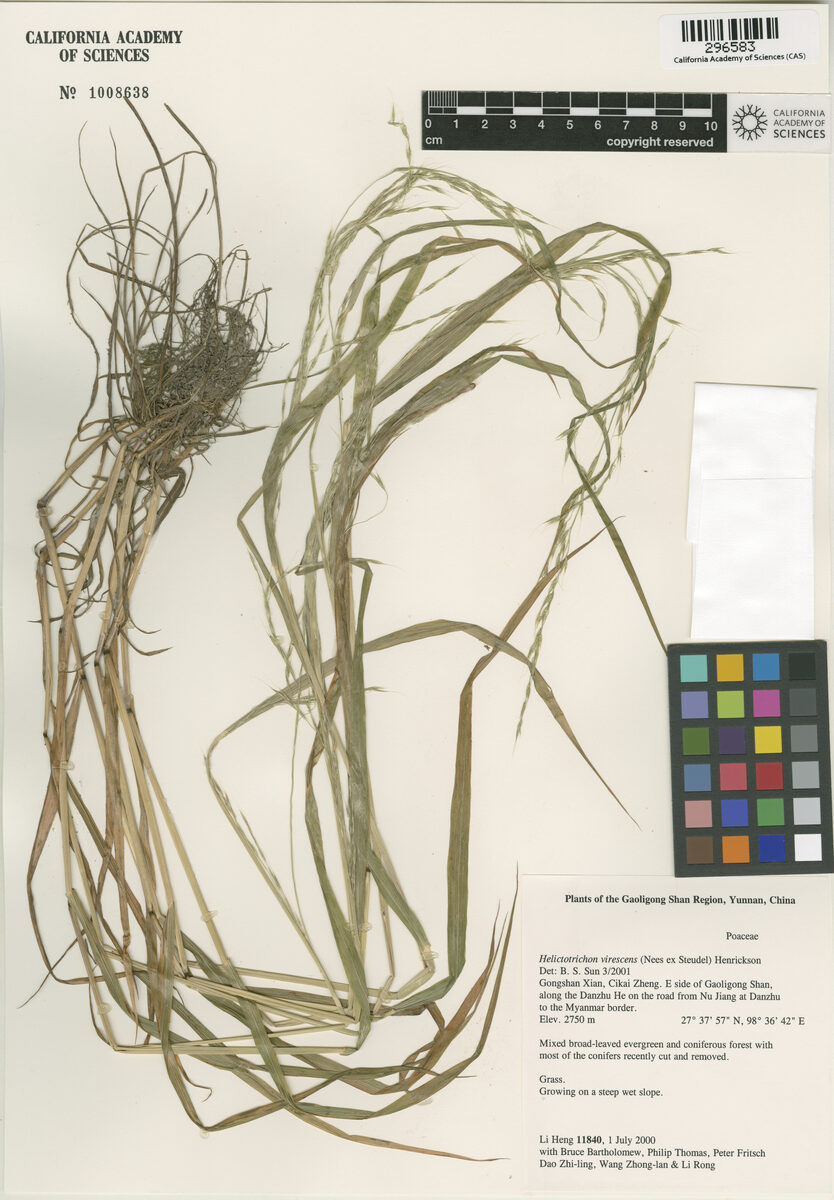
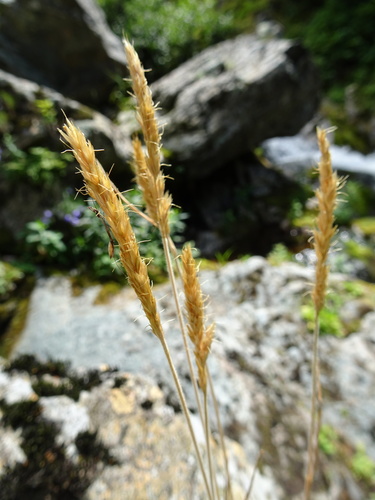
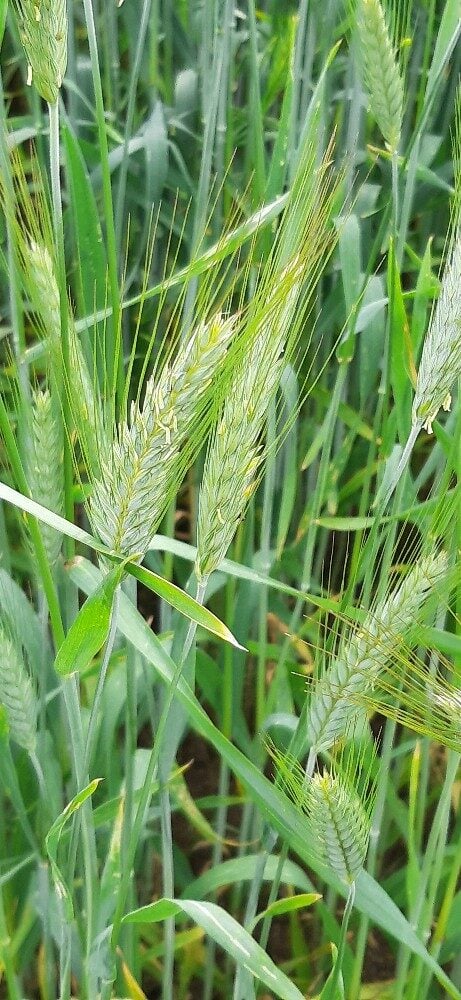
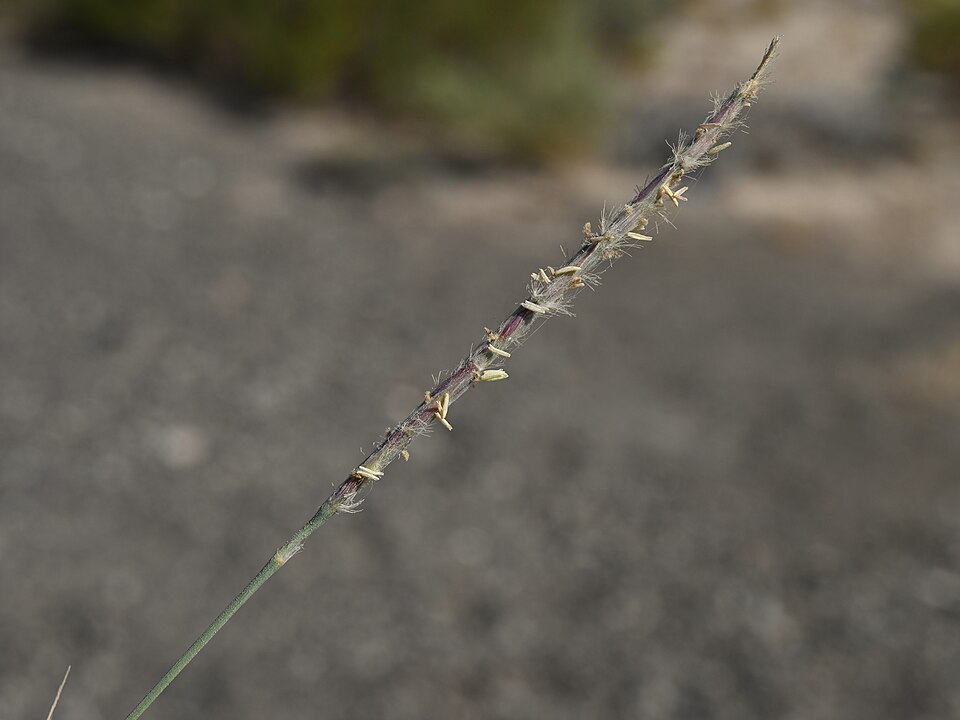
Achnatherum hymenoides
(Roem. & Schult.) Barkworth
Indian ricegrass
iNaturalist· cc-by-nc
(c) Eric Hough, some rights reserved (CC BY-NC)
iNaturalist· cc-by-nc
(c) Eric Hough, some rights reserved (CC BY-NC)
iNaturalist· cc-by-nc
(c) Eric Hough, some rights reserved (CC BY-NC)
Summary
Source: WikipediaA perennial grass growing to 0.6 m tall by 0.3 m wide. Flowers May to July and fixes nitrogen. Tolerates light, medium, and heavy well-drained soils across mildly acid to alkaline pH. Requires full sun and prefers moist soil. Tolerates strong winds but not maritime exposure. Hardy to UK zone 8. Seeds mature early, often by late spring.
Description
A shrub or small tree. It grows 5 m tall. There are prickles along the stem. The leaves are twice divided and there are 8-18 pairs of pinnae. There are up to 50 pairs of pinnules on each pinnae. The flowers are yellow. They are in large clusters at the ends of branches. The pods are flattened.
Edible Uses
The seed can be eaten raw, cooked, or ground into a meal for bread, gruel, cakes, and porridge. The meal can also be mixed with cornmeal to make dumplings, or used as a thickener in soups. The seed falls readily from the plant when fully ripe, making it fairly easy to harvest. Before use, seeds were traditionally parched over flames to remove the hairs. The seed has a pleasant taste and is very nutritious, containing about 6% sugars and 20% starch. Before corn was introduced, it served as a staple food for some Native North American tribes. The seeds are relatively large for a wild grass, high in protein, and mild in flavour, though threshing can produce more chaff than usable grain. The plant matures early, often by late spring, providing food before many other grasses are ready. The young leaves can also be eaten raw or boiled to make a grassy, vegetable-like drink, though they are of minor value compared to the seeds.
Traditional Uses
The seeds are cooked and eaten. They can be ground into flour and used to make bread or thicken soups.
This uses section is brief — help expand it
Medicinal Uses
None known.
Distribution
It is a temperate plant.
Where It Grows
America, North America, USA,
Propagation
Seed - sow in spring in situ, though better results have been obtained from sowing in a greenhouse. Only just cover the seed; it should germinate freely within 2 weeks. Prick out seedlings into individual pots when large enough to handle and plant out in early summer. Division in spring is very easy. Larger divisions can be planted directly into permanent positions. Smaller divisions are better potted up and grown on in light shade in a cold frame until well established before planting out in late spring or early summer.
Other Uses
Several cultivars have been developed for use in prairie restoration work. The plant helps stabilise shifting sand and is useful for soil reclamation and stabilisation. It is an important food source for livestock and wild grazers including bison, desert bighorn sheep, elk, mule deer, pronghorns and jackrabbits. The straw also has practical uses.
References (1)
- Anderson, M. K., 2012, Edible Seeds and Grains of California Tribes and the Klamath Tribe of Oregon in the Phoebe Apperson Hearst Museum of Anthropology Collections, University of California, Berkeley. USDA p 81