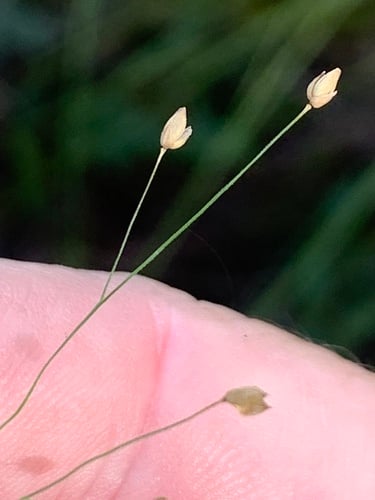
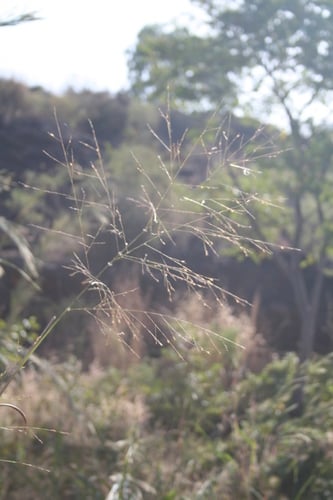
Setaria intermedia
Roem. & Schult.
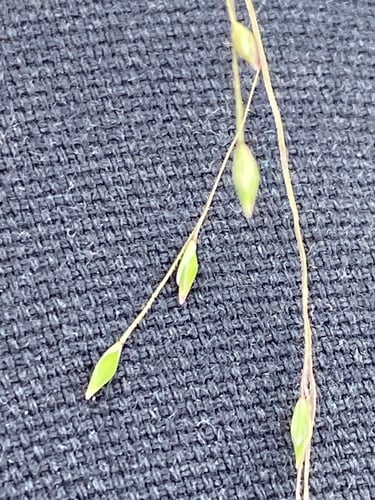
iNaturalist· cc-by-nc
(с) François Rousseu, некоторые права защищены (CC BY-NC), загрузил François Rousseu
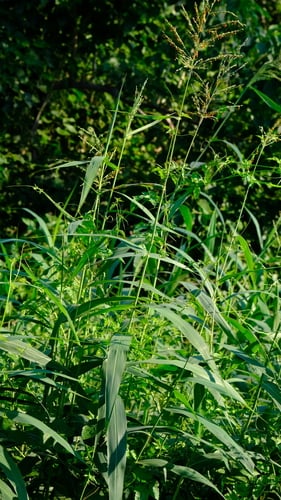
iNaturalist· cc-by-nc
(с) François Rousseu, некоторые права защищены (CC BY-NC), загрузил François Rousseu
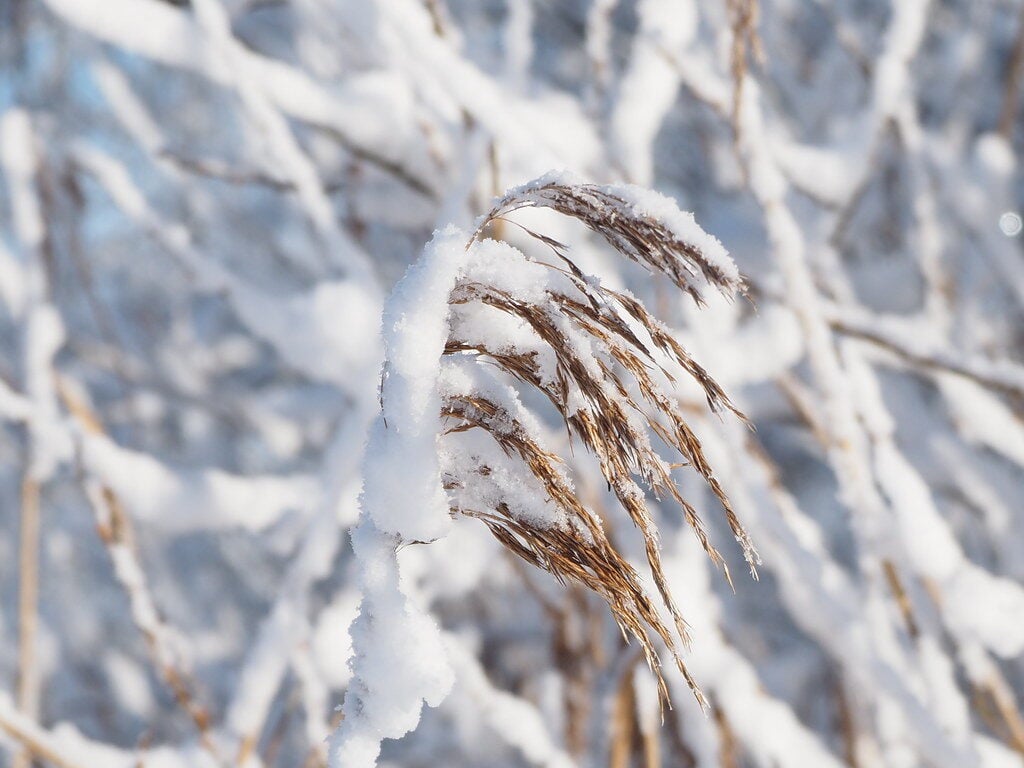
iNaturalist· cc-by-nc
(с) François Rousseu, некоторые права защищены (CC BY-NC), загрузил François Rousseu
Description
An annual grass. The lower sections of the stem can lie along the ground and form roots at the nodes. The stems are 15-100 cm tall. The leaf blades are 5-20 cm long and 2-10 mm wide. The flower panicles are contracted and 3-10 cm long.
Edible Uses
The seeds and grain are edible.
Distribution
It is a tropical plant. It grows between 90-1,800 m above sea level in Nepal.
Where It Grows
Africa, Asia, Bhutan, China, Himalayas, India, Japan, Malaysia, Myanmar, Nepal, Pakistan, Polynesia, Russia, SE Asia, Sri Lanka,
Cultivation
The seed only remain viable for a short time.
Production
In Rajasthan in India the seed are produced August to November.
Synonyms
Also Known As
Arranki gaddi, Dodda-antapurlai hullu, Kari-ottai hullu
References (3)
- Ambasta, S.P. (Ed.), 2000, The Useful Plants of India. CSIR India. p 571 (As Setaria tomentosa)
- Revis. gramin. 47. 1829 (As Setaria tomentosa)
- Singh, V. and Singh, P., 1981, Edible Wild Plants of Eastern Rajasthan. J. Econ. Tax. Bot. Vol 2 pp 197-207 (As Setaria tomentosa)