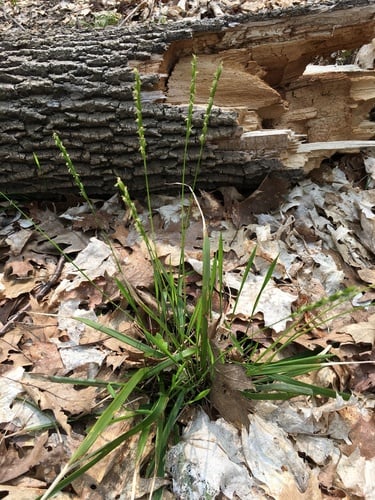
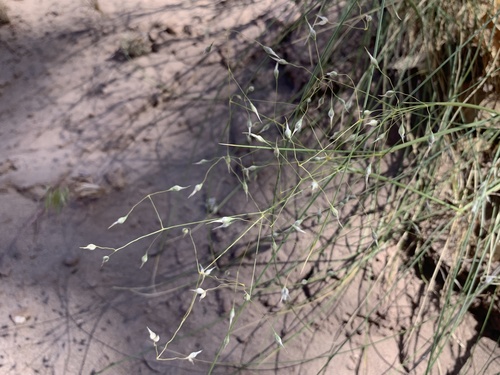
Setaria lindenbergiana
(Nees) Stapf
Rhodesian tussock grass
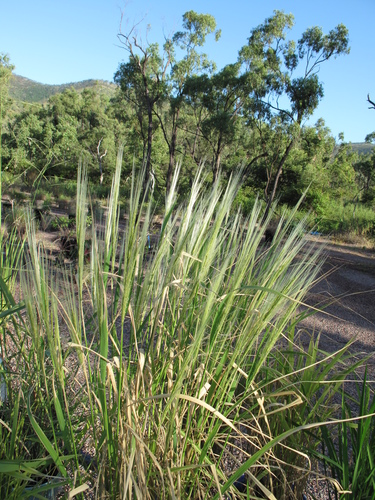
iNaturalist· cc-by-nc
(c) Allister Starke, some rights reserved (CC BY-NC), uploaded by Allister Starke
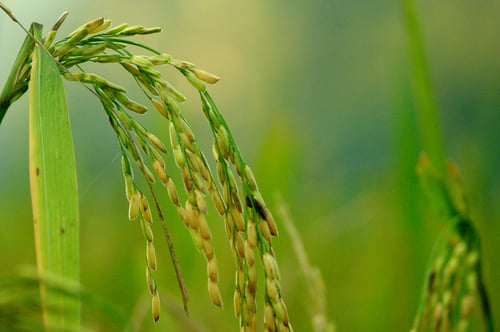
iNaturalist· cc-by-nc-sa
(c) David Hoare, some rights reserved (CC BY-NC-SA), uploaded by David Hoare
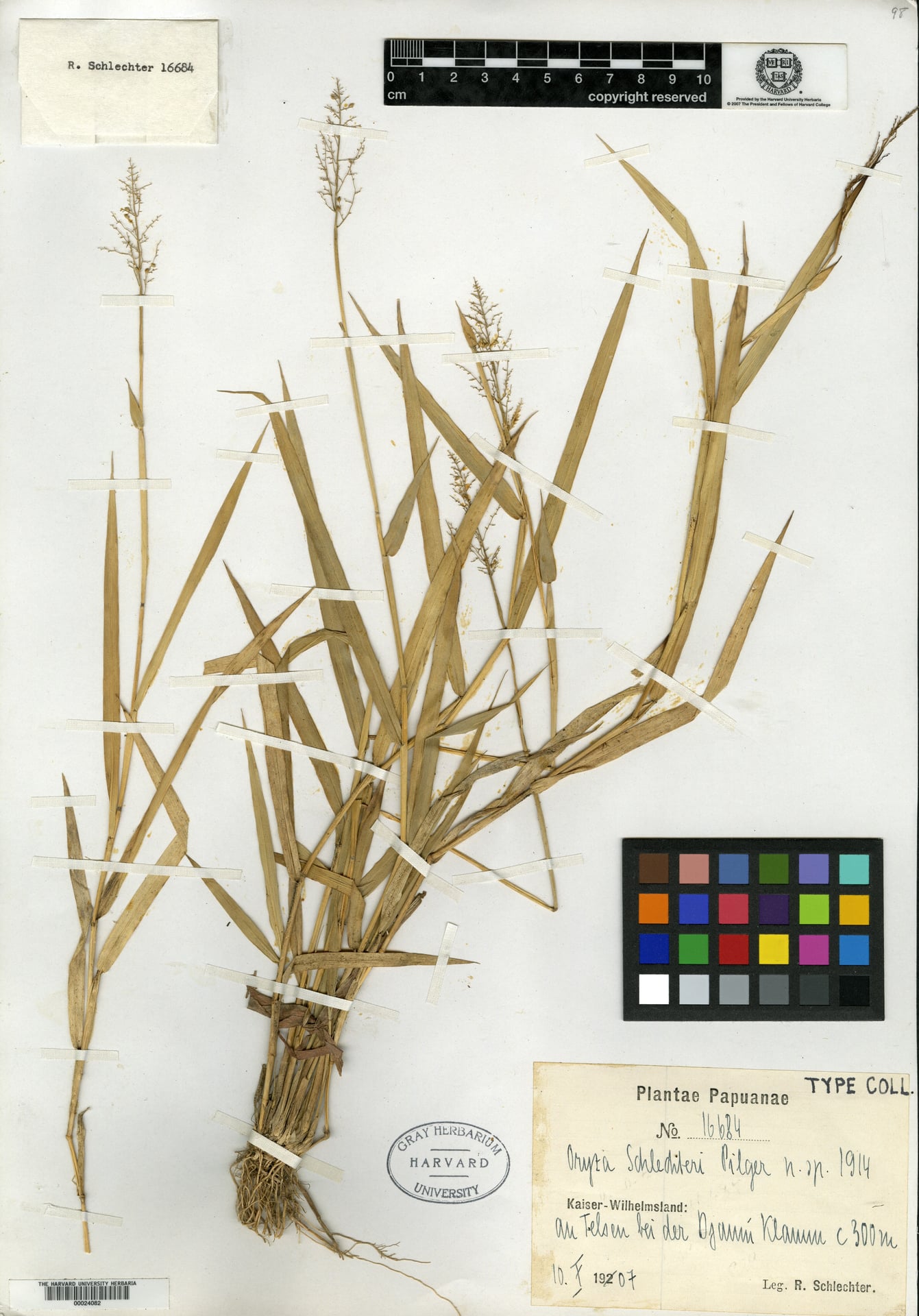
iNaturalist· cc-by-nc-sa
(c) David Hoare, some rights reserved (CC BY-NC-SA), uploaded by David Hoare
Description
A grass that forms tufts. It keeps growing from year to year. It grows 30-120 cm high.
This description is brief — help expand it
Edible Uses
The seeds are ground into a meal and used as a cereal grain.
Traditional Uses
The seeds are used for a meal.
This uses section is brief — help expand it
Distribution
It is a tropical plant. It grows in open woodlands and on rocky slopes and termite mounds between 1,000-1,700 m above sea level.
Where It Grows
Africa, Botswana, Central Africa, Congo, East Africa, Mozambique, South Africa, Southern Africa, Tanzania, Zambia, Zimbabwe,
Synonyms
Also Known As
Jarequete
References (5)
- Chippindall & Crook, 1976-1978,
- Fox, F. W. & Young, M. E. N., 1982, Food from the Veld. Delta Books. p 298
- Peters, C. R., O'Brien, E. M., and Drummond, R.B., 1992, Edible Wild plants of Sub-saharan Africa. Kew. p 26
- Ruiters-Welcome, A. K., 2019, Food plants of southern Africa. Ph.D. thesis. Univ. of Johannesburg p 89
- Welcome, A. K. & Van Wyk, B.-E., 2019, An inventory and analysis of the food plants of southern Africa. South African Journal of Botany 122 (2019) 136–179