Setaria megaphylla
(Steud.) T. Durand & Schinz
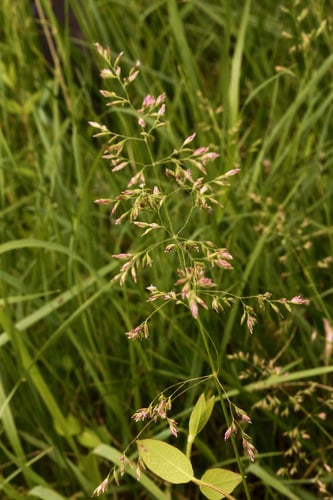
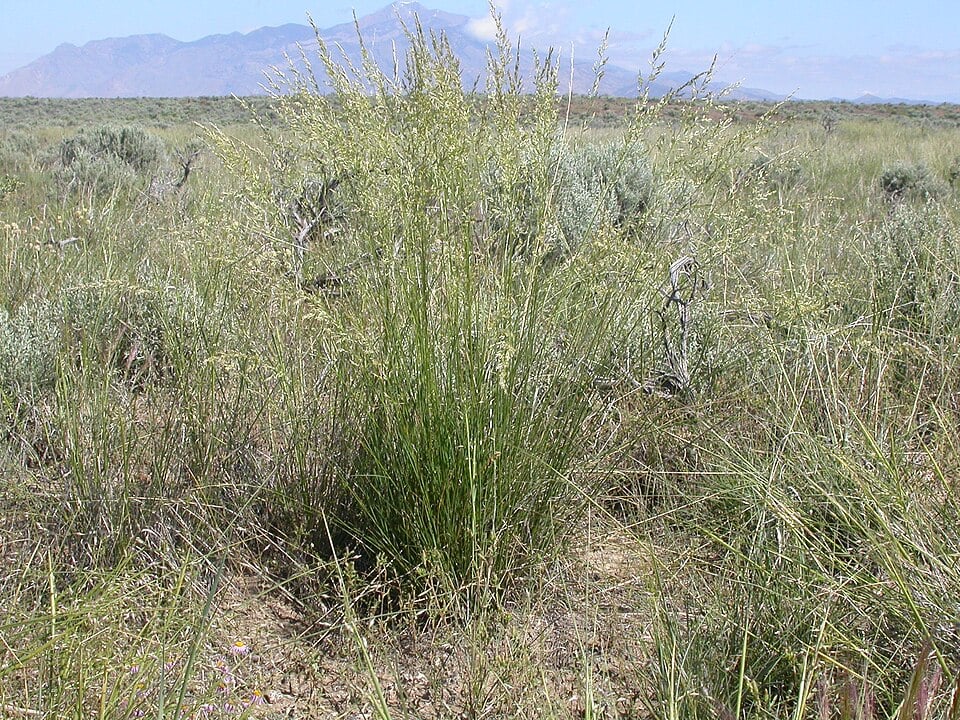
iNaturalist· cc-by
(c) Caroline Voget, some rights reserved (CC BY), uploaded by Caroline Voget
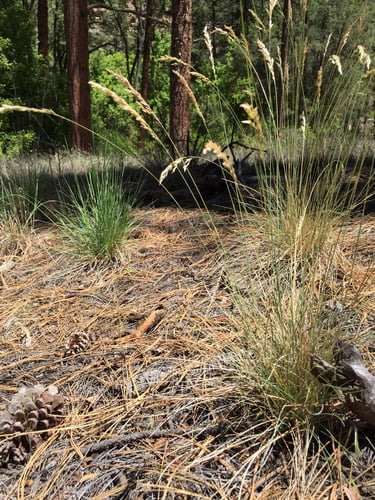
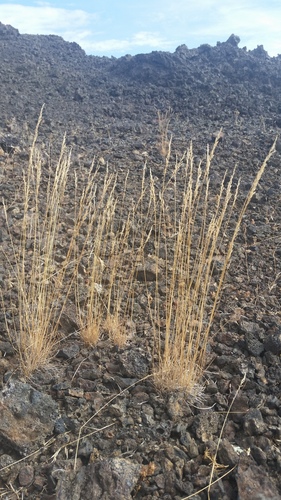
iNaturalist· cc-by
(c) Thomas Koffel, some rights reserved (CC BY), uploaded by Thomas Koffel
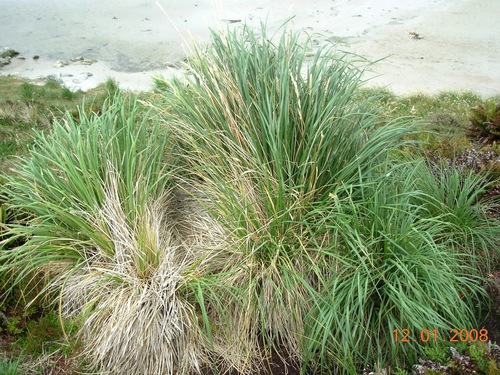
iNaturalist· cc-by
(c) Caroline Voget, some rights reserved (CC BY), uploaded by Caroline Voget
Summary
Source: WikipediaSetaria megaphylla, the broad-leaved bristle grass, big-leaf bristle grass, ribbon bristle grass, or bigleaf bristlegrass, is native to south-eastern Africa. It is also cultivated, and it has naturalized outside its native range, for example, in Florida in the United States. It may be found in glades in forested areas and along rivers or streams. It can grow to more than 2 metres tall and has broad dark green leaves and hairy leaf sheaths. Many kinds of birds, such as finches and canaries, eat the seeds.
Description
A grass. It keeps growing from year to year and grows 1-3 m tall. It forms large clumps. The leaves are 15-80 cm long by 1-11 cm wide.
This description is brief — help expand it
Edible Uses
The whole plant reduced to ash is used as a vegetable salt
Medicinal Uses
The plant has anodynal and analgesic properties. It has a reputation for beneficial action on urino-genital troubles. Combined with Cissus aralioides and Selaginella sp, it .is used to prepare a bath for someone with fever. A leaf-decoction has a sedative effect on coughs, and is also indicated in the treatment of oedema. It is also given as a treatment for amenorrhoea and blennorrhoea. The leaf decoction is put into a bath or given by mouth to babies suffering convulsions or fits of epilepsy. The crushed leaves are applied topically to bruises. Crushed with salt, they are rubbed on the forehead for relieving a headache. Macerated with some chips of the bark of a Croton (species unknown), it is used in draught or douch for treating blennorrhoea. The leaf-sap, combined with that of Dracaena steudneri, is used in the treatment of mental derangement. The sap is massaged into areas of pain and is squeezed onto a sore after it has been cleaned. For a more vigorous action the affected part may be scarified by rubbing it with the rough leaf, then the ash of the calcined plant applied. The ash of the plant is applied to sores, and is also used to assuage the pain caused by the spit venom of Naja nigricollis, the spitting, or black-necked cobra, which is said to be the most dangerous snake of Africa . The root is held to be abortifacient. Decocted in palm-wine or pineapple juice or water, with Senna occidentalis or Ficus sp sometimes added, it is taken for the treatment of blennorhoea, while the same preparation is given to a pregnant woman to ease delivery. In cases of listlessness and sleepiness a root-decoction is given as a pick-me-up, and after downing it, the patient’s face is washed with a leaf-decoction.
Known Hazards
The seed has been reported as toxic to small birds in S Africa. Thickets of the grass are reported to harbour tsetse fly. Wilted grass can produce hydrocyanic acid and is then harmful to livestock.
Distribution
It is a tropical plant.
Where It Grows
Africa, Brazil, Congo DR, South Africa, South America, Sudan, West Africa,
Other Uses
The woody culms are used in hut-building. The broadly pleated linear leaves are used in Ghana to wrap plantains (?for cooking).
Synonyms
References (1)
- World Checklist of Useful Plant Species 2020. Royal Botanic Gardens, Kew